





A New Front in the Tech Race
The contest for AI supremacy is redrawing global economic lines, and two key hubs are emerging with distinctly different strategies: India and Dubai. India, with its vast population and deep well of STEM graduates, is a natural factory for tech talent.
Dubai, on the other hand, has positioned itself as a curated, high-end destination, using strategic incentives and a high quality of life to attract the world's best minds. This dynamic is creating a compelling rivalry, not just for individual engineers and data scientists, but for the startups and multinational corporations that depend on them. It’s a competition that reveals two divergent philosophies on how to build a 21st-century knowledge economy.
India’s Homegrown Advantage
India's primary strength is its sheer scale. As the world's most populous country and a top exporter of STEM talent, it has an unmatched human resource advantage. The Indian government has leaned into this with the ambitious IndiaAI Mission, a program backed by a ₹10,372 crore budget aimed at building a complete domestic AI ecosystem. The strategy focuses on creating sovereign AI models, strengthening compute infrastructure, and fostering startups, all with the goal of making India a global AI leader. Initiatives to provide affordable GPU access to startups and researchers are already underway. While the country has historically faced a 'brain drain', recent policies are aimed at retaining this world-class talent and fostering an environment where innovation can thrive at home.
Dubai’s Strategic Allure
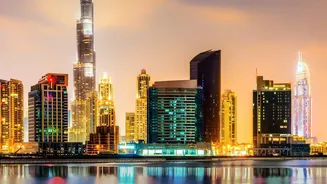
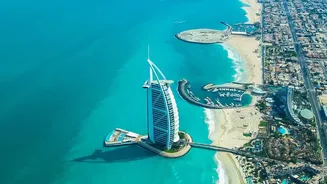
Dubai’s strategy is one of attraction rather than pure generation. The emirate has launched a multi-faceted campaign to become a global AI hub by 2031, focusing on creating an irresistible environment for top-tier international talent and companies. The primary draws are significant: tax-free salaries, a high standard of living, world-class infrastructure, and a safe, cosmopolitan culture. Programs like the Golden Visa offer long-term residency for skilled professionals, particularly in AI, making relocation seamless. Rather than building a talent pool from the ground up, Dubai's government is investing heavily in becoming the preferred global destination for existing experts, effectively importing a ready-made AI ecosystem.
Competition or Collaboration?
While the narrative of competition is strong, the relationship between India and Dubai's AI ambitions is becoming increasingly symbiotic. Dubai explicitly sees India's talent as a key partner in its roadmap. Recent reports highlight plans to create an "AI corridor" between Dubai and Bengaluru, aiming to use Dubai as a global launchpad for Indian innovation and talent. The President and CEO of Dubai Chambers, Mohammad Ali Rashed Lootah, has noted that the talent required to fuel Dubai's AI projects is abundantly available in India. This suggests a future where India acts as the talent engine, and Dubai provides the global market access and infrastructure for scaling, turning direct competition into a powerful partnership.
The Deciding Factors for Talent
For individual AI professionals, the choice between developing a career in India or relocating to Dubai comes down to a set of personal and professional calculations. India offers the opportunity to be part of a massive, foundational build-out of a national AI ecosystem, with a rapidly growing number of domestic startups and R&D centers. The scale of challenges and the opportunity to work on India-specific problems are immense. Dubai, conversely, offers a fast-track to a global career, often with higher, tax-free compensation and exposure to international projects. The decision often balances the appeal of building something new at home against the immediate financial and lifestyle benefits of an international hub.