






The Unbeatable Infrastructure Engine
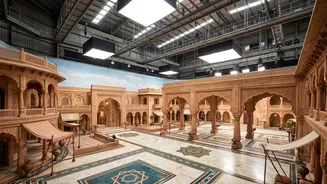
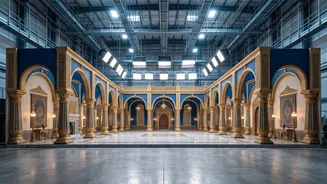
Mumbai’s dominance begins with its physical and technical infrastructure, built over a century. The city is home to the iconic Dadasaheb Phalke Chitranagari, better known as Film City, a sprawling 500-plus acre complex with dozens of studios and outdoor
sets. But it's more than just one location. Mumbai boasts a dense ecosystem of world-class post-production houses, VFX and animation studios, sound engineering facilities, and equipment rental services. This concentration means a filmmaker can take a project from script to final print entirely within the city limits, an efficiency that is hard to replicate elsewhere. Major global players like DNEG have large operations in Mumbai, integrating local talent into a 24/7 global production pipeline for both Hollywood and Bollywood projects. This entire support system creates a powerful inertia, making it the most practical and reliable base of operations.
The Financial and Corporate Core
Beyond the creative aspects, Mumbai is the undisputed financial capital of Indian cinema. The country's largest production houses and film financing companies, such as Reliance Entertainment and Dharma Productions, are headquartered here. This concentration of capital means that major decisions about which films get made, funded, and distributed are primarily driven from Mumbai. The city is a hub for banks, private equity firms, and individual investors who specialise in film financing. Furthermore, key industry bodies like the National Film Development Corporation (NFDC), which facilitates co-productions and funding, are based in the city. This financial centralisation ensures that even when a film is shot in diverse locations across India or the world, the financial and strategic control often remains rooted in Mumbai.
A Magnet for Talent
Every year, thousands of aspiring actors, directors, writers, and technicians move to Mumbai, drawn by the sheer concentration of opportunity. The city hosts the largest and most diverse creative talent pool in the country. This is not just limited to on-screen personalities; it includes cinematographers, editors, production designers, and the vast technical crews required to run a film set. This deep talent pool creates a self-perpetuating cycle: productions come to Mumbai because the talent is here, and talent comes to Mumbai because the productions are here. The presence of numerous film schools and training academies, like the planned Indian Institute of Creative Technology (IICT) focusing on animation and VFX, further solidifies this advantage, ensuring a steady stream of skilled professionals. Placement agencies and talent managers are also heavily concentrated in the city, acting as the bridge between new talent and production houses.
Adapting from Hub to Headquarters
The rise of regional cinema and the trend of shooting in authentic locations across the country is not a threat to Mumbai but an evolution of its role. Rather than being the sole location for every aspect of production, Mumbai is increasingly acting as the central nervous system for a nationwide industry. It has become the headquarters from which pan-Indian projects are financed, planned, and managed, even if the creative elements are sourced from various regions. Major studios in Mumbai are now collaborating with regional industries, leveraging their stories and talent for a national audience. The government of Maharashtra is also investing heavily to ensure the city remains competitive, with a massive ₹3,000 crore upgrade planned for Film City and the development of new media hubs to prepare for the future of entertainment, including OTT content and gaming.