

Guardians of the Grove
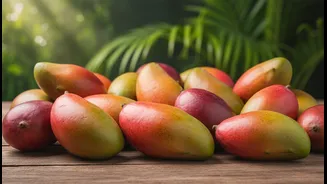
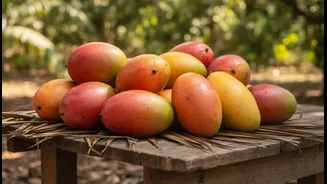
Across the country, small-scale farmers act as the primary custodians of India's mango biodiversity. In orchards passed down through generations, they cultivate heirloom varieties that are often unique to their specific micro-climate. These are not the mangoes
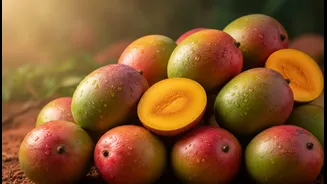
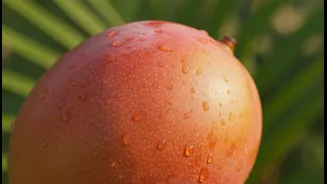
that dominate supermarket shelves, but ones with evocative names and distinct characteristics—like the frangipani-scented Champa, the intensely sweet Gopalbhog, or the rare Kohitur, which once graced royal orchards in Bengal. These farmers face immense pressure from climate change, which brings erratic weather, and from a market that overwhelmingly favors high-yield, commercial varieties like the Alphonso. Yet, they persist, driven by a deep-seated understanding that these trees are more than just a source of income; they are living heirlooms. In places like Kannapuram in Kerala, which has been declared a Mango Heritage Village, entire communities have come together to conserve over 100 local varieties, documenting and protecting each tree. Their work ensures that this genetic diversity, which holds potential resistance to pests and diseases, is not lost forever.
The Market Messengers
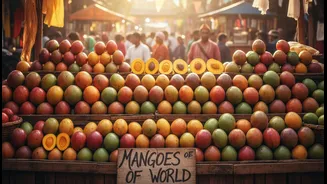
The journey of a heritage mango from the orchard to the city is made possible by a network of vendors and resellers. These individuals are the crucial link, bridging the gap between small, often remote, growers and curious consumers. They are more than just middlemen; they are storytellers and educators who understand the unique qualities of each variety they sell. A good vendor can tell you which mango is best for pickling (like the tender Kannimanga), which is perfect for juice (like the Langra), and which should be eaten fresh to appreciate its sublime flavour. By creating a market for these lesser-known fruits, vendors provide a vital economic incentive for farmers to continue growing them. While the system is not without its challenges, with intermediaries sometimes taking a large share of the profit, many ethical resellers are working to ensure farmers get a fair price for their unique produce, thereby sustaining the entire ecosystem.
Keepers of the Kitchen
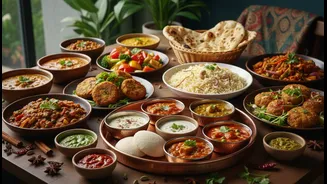
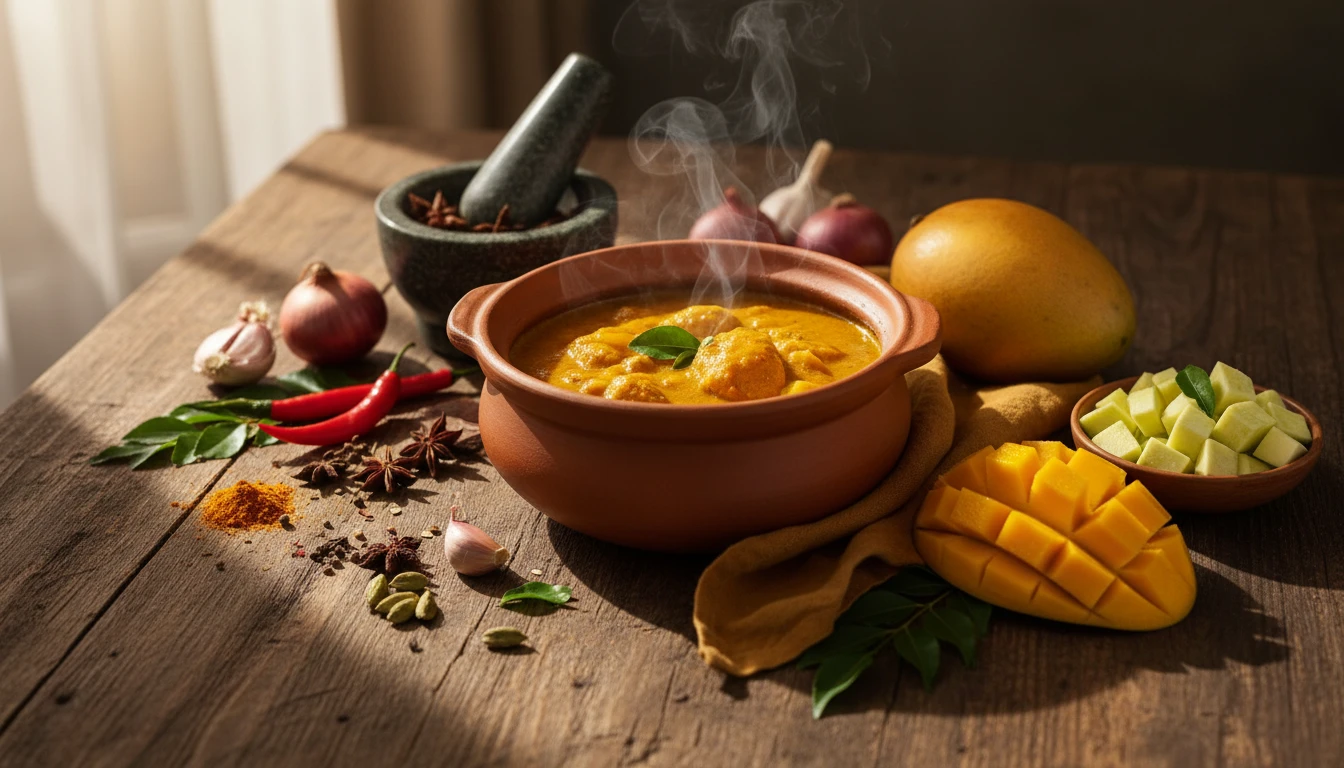
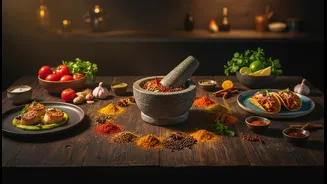
The final link in this chain of preservation is the home cook. It is in the kitchens of India that the cultural significance of mangoes is truly cemented. Grandmothers and mothers pass down age-old recipes that are often designed for specific types of mangoes. The tangy, firm Totapuri is perfect for pickles like Aam ka Achaar or sweet preserves like Murabba and Chunda. Raw mangoes are transformed into spicy, tangy concoctions like Aam ki Launji, a perfect accompaniment to a summer meal. Ripe mangoes are not just eaten fresh but are also turned into desserts like Mango Kulfi, Mango Sheera (halwa), or the creamy Amrakhand. These recipes are a living library of culinary knowledge, each dish preserving not just a flavour but a memory. By continuing to make these traditional dishes, home cooks create a consistent demand for a variety of mangoes, ensuring that the heritage nurtured by farmers and sold by vendors has a cherished place on the family table.
A Taste of the Future
The preservation of India's mango heritage is a collective effort. It thrives on the passion of individuals like Kalimullah Khan, the famed 'Mango Man' who grafted over 300 varieties onto a single tree, and communities like those in Kannapuram who have turned their village into a living gene bank. However, the future of these rare mangoes also depends on consumer awareness. The tendency to favour a handful of famous varieties, often driven by aggressive marketing, places hundreds of others at risk of disappearing. By seeking out and asking for regional and heirloom varieties, consumers can play a powerful role. Supporting farmers who cultivate diversity, trusting vendors who champion local produce, and celebrating the unique flavours in our own kitchens are all essential acts of conservation. Knowing the story behind the fruit—its taste, its lineage, and its place in the village—is the first step toward saving it.