






What is Dragon Fruit?
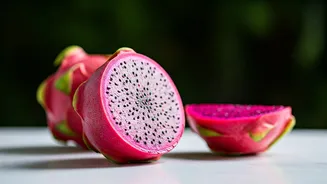
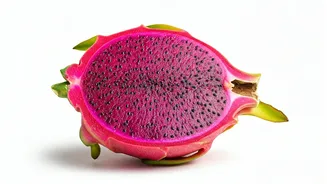
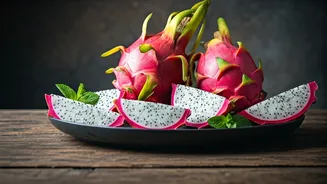
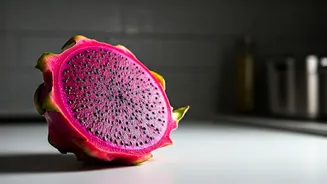
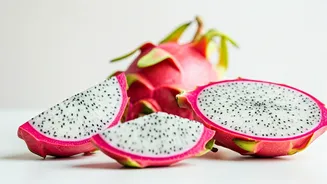
Also known as pitaya or strawberry pear, dragon fruit is the fruit of a cactus species native to Central America but now grown worldwide. Its dramatic appearance, with leathery skin and scaly green spikes, gives it its memorable name. Inside, the flesh
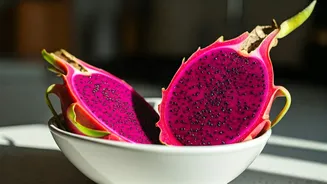
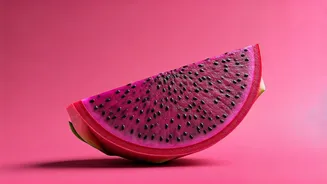
is speckled with tiny, edible black seeds and can range in colour. The most common variety has pink skin with white flesh, which has a mild, earthy sweetness often compared to a cross between a kiwi and a pear. Other types include those with red or magenta flesh, which tend to be sweeter, and a yellow-skinned variety that is considered the sweetest of all.
A Nutritional Powerhouse
Dragon fruit is low in calories but rich in essential nutrients. It's an excellent source of fibre, which aids digestion and promotes a feeling of fullness. The fruit is also loaded with antioxidants like vitamin C, which is crucial for a strong immune system and healthy skin. The vibrant red and pink varieties get their colour from betalains, powerful antioxidants that may help protect cells from damage. Furthermore, dragon fruit contains prebiotics, which are fibres that feed the healthy bacteria in your gut, contributing to better digestive health. It also offers a decent amount of magnesium and a small amount of iron.
How to Pick and Prepare
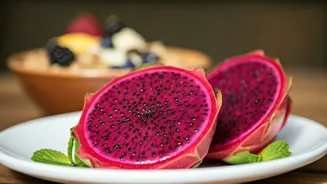
Choosing a ripe dragon fruit is simple. Look for one with bright, evenly coloured skin and avoid any with lots of brown spots or a dry, shrivelled stem. The fruit should feel firm but have a slight give when you press it gently, similar to a ripe avocado. If it’s too firm, you can let it ripen on the counter for a couple of days. To prepare it, simply slice the fruit in half lengthwise with a sharp knife. You can scoop the flesh out with a spoon and then cube or slice it. The skin is not edible, but the scooped-out halves can make for beautiful, natural serving bowls.
Vibrant Smoothie Bowls
One of the most popular ways to enjoy dragon fruit is in a smoothie bowl, especially using the red-fleshed variety for its stunning magenta colour. Blend frozen dragon fruit chunks with other frozen fruits like banana and pineapple for a thick, creamy base. A splash of coconut water or almond milk can help achieve the perfect consistency. You can also add Greek yogurt for creaminess and protein. The fun continues with the toppings: arrange fresh fruit, granola, shredded coconut, and chia seeds on top for a beautiful and nutritious breakfast that feels like a treat.
Refreshing Salads and Salsas
Dragon fruit’s mild flavour makes it a fantastic addition to both sweet and savoury salads. Its texture holds up well when diced, adding a juicy, refreshing element. Try tossing it with mixed greens, crispy halloumi, and a light vinaigrette for a simple yet elegant lunch. It can also be the star of a tropical fruit salsa. Combine diced dragon fruit with red onion, cilantro, jalapeño, and a squeeze of lime juice. This colourful salsa pairs wonderfully with grilled fish or can be served as a unique appetiser with tortilla chips.
Colourful Drinks and Desserts
The visual appeal of dragon fruit makes it a natural fit for eye-catching beverages and simple desserts. Muddle it into a sparkling lemonade or use it to create a show-stopping margarita. For a healthy frozen treat, simply blend frozen dragon fruit with frozen bananas until creamy to create a simple, two-ingredient sorbet. The mixture can also be poured into popsicle moulds for a refreshing snack. Because its flavour is not overpowering, it can be added to recipes like cheesecake or custard bars for a burst of colour without dramatically altering the taste.