


From Grain to Puff: How They're Made
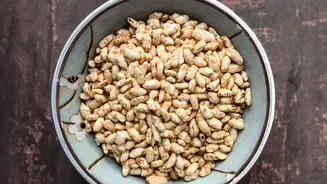
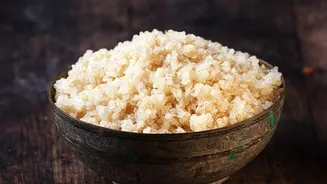
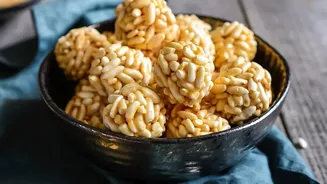
Both quinoa puffs and puffed rice begin as humble grains, but their transformation into light, airy snacks involves a similar process of applying heat and pressure. Puffed rice, a beloved ingredient in India known as murmura or muri, is made by heating
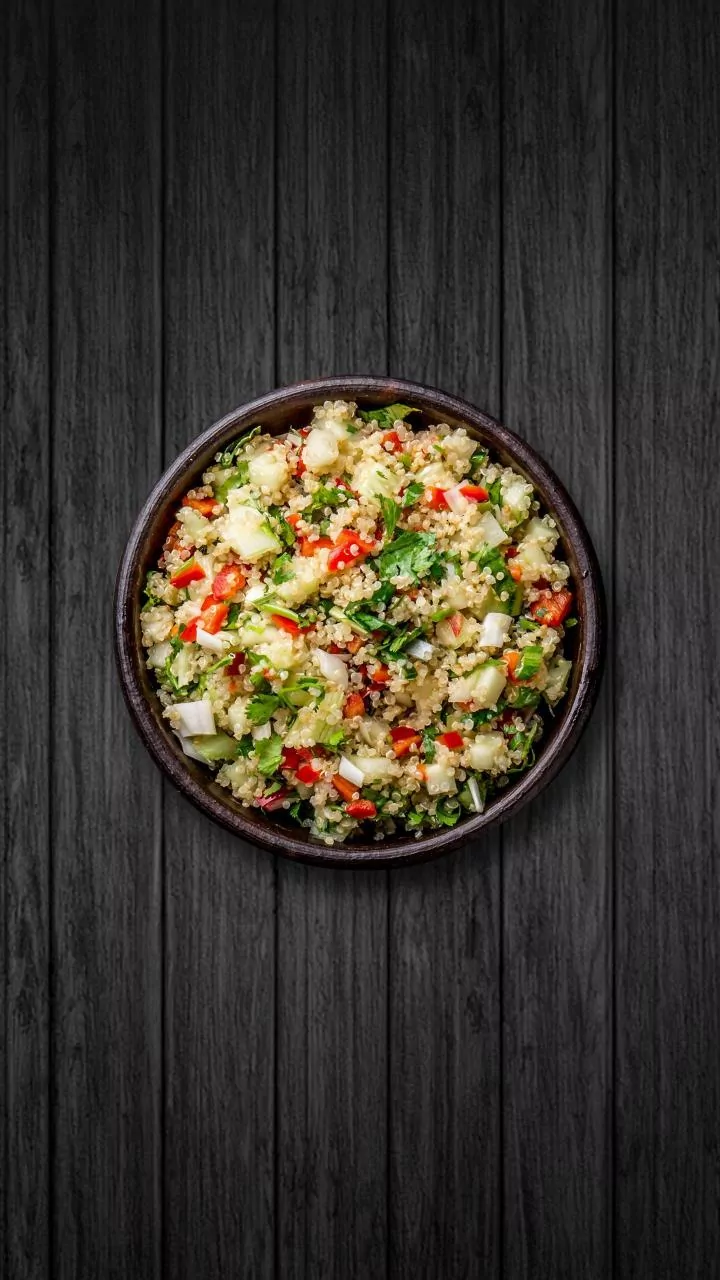
rice kernels until they expand and pop. This process gives it that signature light, crispy texture familiar in everything from bhel puri to breakfast cereals. Similarly, quinoa puffs are created by heating the tiny quinoa seeds until they pop, much like popcorn. Although technically a seed, quinoa is often categorized as a whole grain and puffs up to create a crunchy, shelf-stable product perfect for a variety of uses.
The Nutritional Showdown
This is where the two puffs really diverge. Quinoa puffs pack a significantly stronger nutritional punch. Quinoa is a complete protein, meaning it contains all nine essential amino acids, which is rare for a plant-based food. A 100-gram serving can contain around 14 grams of protein and over 5 grams of fiber. It's also a good source of minerals like iron and magnesium. In contrast, puffed rice is much lower in protein, fiber, vitamins, and minerals. While it is low in calories and fat, making it a light snack option, it is primarily a source of simple carbohydrates. This means it provides quick energy but may not keep you feeling full for as long as its quinoa counterpart.
Crunch, Taste, and Texture
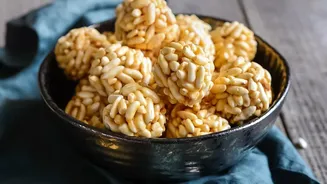
Your choice might come down to the specific sensory experience you're after. Puffed rice is famously light, airy, and has a neutral flavour. This makes it an excellent carrier for other ingredients, absorbing the tastes of spices in a chaat or the sweetness of jaggery in a laddu. Quinoa puffs, on the other hand, have a denser, more substantial crunch and a distinct nutty flavour. This inherent taste means they contribute their own flavour profile to a dish, which can be a desirable trait in blander foods like yogurt or a simple salad. The texture of quinoa puffs also tends to hold up slightly better against moisture, making them a great choice for parfaits where you want to maintain crunch.
Best Uses in Your Kitchen
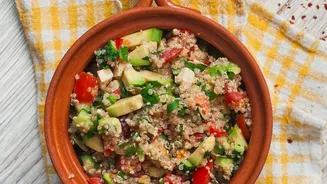
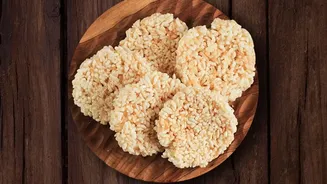
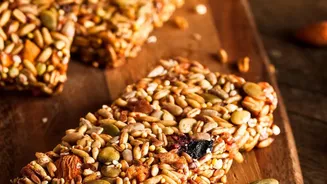
In snack bars and parfaits, the differences become clear. For a classic, crispy snack bar, puffed rice provides structure and volume without a heavy calorie load. Its light texture is ideal for binding with syrups or chocolate. Quinoa puffs are also excellent in granola and snack bars, especially for those looking to boost the protein content. Their robust crunch makes them a fantastic topping for yogurt parfaits, smoothie bowls, and salads, where they can replace croutons for a more nutritious alternative. While puffed rice can also be used in parfaits, it may soften more quickly. The mild, nutty flavour of puffed quinoa works well in both sweet and savoury applications, from breakfast bowls to a crunchy topping on soups.
The Gluten-Free and Cost Question
For those with gluten sensitivities, both puffed rice and puffed quinoa are excellent choices as they are naturally gluten-free. This makes them safe and versatile ingredients for anyone following a gluten-free diet. However, there is a significant difference when it comes to cost and accessibility in the Indian market. Puffed rice, or murmura, is an inexpensive and widely available staple found in nearly every local kirana store. Quinoa puffs, however, are considered a premium health food product. They are generally more expensive and typically found in larger supermarkets or specialty online stores. This cost factor is an important consideration for everyday use.