




A Terrifying Takeoff from Kathmandu
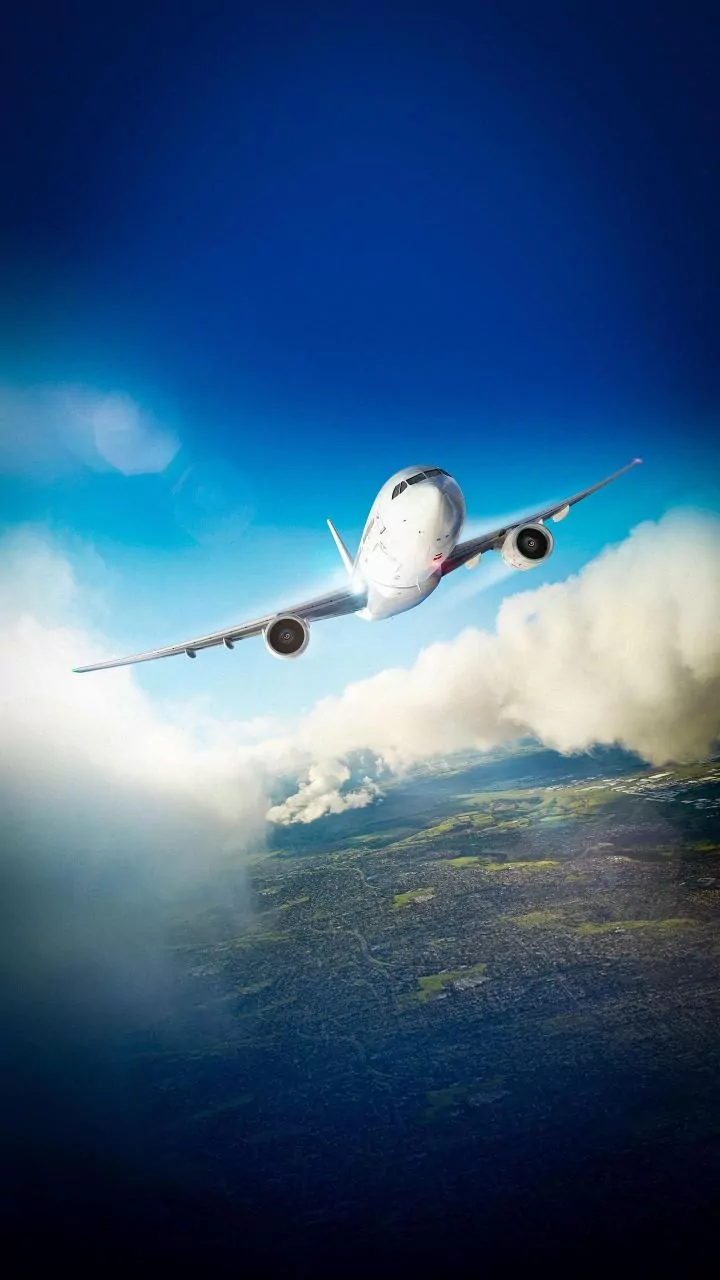
On the night of April 24, 2023, Flydubai Flight FZ 576, a Boeing 737-800, departed from Tribhuvan International Airport in Kathmandu, Nepal, with 167 passengers bound for Dubai. Shortly after liftoff, a serious malfunction occurred. Passengers and onlookers
on the ground were horrified to see flames bursting from one of the aircraft's engines. In an era where every passenger has a camera, videos of the jet climbing through the night sky with a visible fire quickly spread, painting a picture of a flight in extreme peril. The situation was undeniably dangerous; an uncontained engine fire is one of the most critical emergencies a flight crew can face, especially during the vulnerable takeoff and initial climb phase of a flight.
The Critical Moments
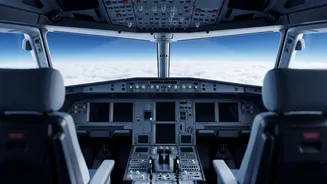
In the cockpit, the pilots were faced with a cascade of alerts and the stark visual evidence of an engine in distress. The immediate danger of an engine fire involves the risk of it spreading to the wing structure, which contains fuel lines and critical flight controls. The standard response often involves shutting down the affected engine, discharging fire extinguishers, and returning to the departure airport as quickly as possible. Kathmandu airport authorities were alerted to the situation and began preparing for an emergency landing. For a few tense minutes, the aircraft circled as the crew worked through their checklists, assessing the complex situation. The decision they made next would be critical: turn back or press on.
Calm, Procedure, and a Calculated Choice
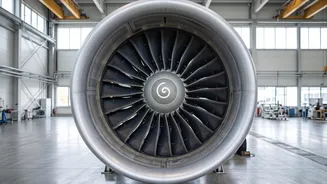
Despite the alarming fire, the flight crew made a professional and calculated decision. According to a statement from Flydubai, the experienced pilots followed their standard operating procedures meticulously. They worked to diagnose the problem, which was reported as a bird strike. After a thorough assessment, they determined that the engine, while damaged, was operating within acceptable parameters. The fire had reportedly extinguished itself, and the engine's vital signs were stable enough to not require a complete shutdown. Trusting their instruments, training, and procedures, the crew concluded that it was safer to continue the four-hour journey to their well-equipped home base in Dubai rather than attempt an immediate, potentially challenging overweight landing back in Kathmandu. The flight proceeded on its planned route and landed safely in Dubai just after midnight.
The Power of Crew Resource Management
This successful outcome was not a matter of luck; it was a textbook execution of Crew Resource Management (CRM). First introduced in the late 1970s, CRM is a set of training principles and procedures mandatory for all commercial airline crews. It moves beyond the technical skills of flying a plane and focuses on the human factors: communication, teamwork, leadership, and decision-making, especially under pressure. CRM empowers co-pilots to challenge captains, encourages open dialogue, and ensures that the entire team—including cabin crew—works as a single, coordinated unit. The goal is to use every available resource, from onboard technology to the combined knowledge of the people in the cockpit and cabin, to manage threats and prevent errors from escalating into catastrophes.
Coordination in Action
The FZ 576 incident is a powerful example of CRM in action. The pilots had to filter out the noise and panic of a visible fire and rely on their instruments and protocols. This required seamless communication and cross-checking to verify the engine's status. While the pilots handled the technical emergency, the cabin crew had the equally vital task of managing 167 anxious passengers. Their ability to maintain calm and provide clear information, a core tenet of CRM, prevented panic inside the cabin and allowed the pilots to focus entirely on flying the aircraft. The decision to continue to Dubai was not a reckless one but a risk-managed choice made by a crew trained to assess complex situations and act as a cohesive team. It demonstrates a trust in procedure and in each other, which is the very foundation of modern aviation safety.