

The Foundation of Fasting
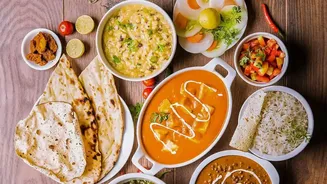
The core principle of Navratri fasting is to consume 'sattvic' foods, which are considered pure and calming for the mind and body. This typically means avoiding grains like wheat and rice, lentils, onions, garlic, and non-vegetarian food. The practice
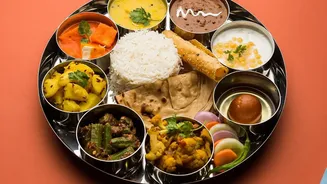
is also rooted in Ayurveda, as both Chaitra and Sharad Navratri occur during seasonal changes. A lighter, cleaner diet is believed to help the body transition and boost immunity. Rock salt, or 'sendha namak', replaces regular table salt. However, beyond these basic tenets, what is considered 'vrat ka khana' or fasting food, transforms dramatically as you travel across the country.
North India: The Land of Kuttu and Singhara
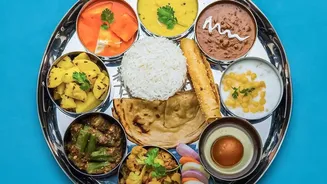
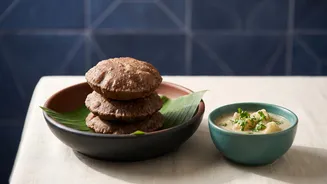
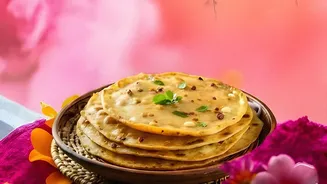
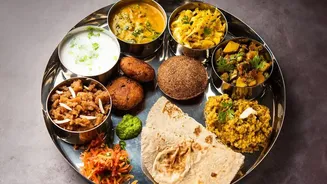
In North India, the Navratri platter is dominated by specific flours and vegetables. Buckwheat flour (kuttu ka atta) and water chestnut flour (singhare ka atta) are the stars, used to make puris, parathas, and pakoras. These are often paired with a simple, tangy curry made from potatoes and tomatoes (vrat wale aloo). Another key ingredient is barnyard millet (samak ke chawal), which serves as a substitute for rice, prepared as a khichdi or pulao. Dairy products like paneer, curd, and buttermilk are also consumed extensively, providing protein and keeping the body cool. Snacks like roasted makhana (fox nuts) are a popular light bite.
West India: Sabudana and Savoury Delights
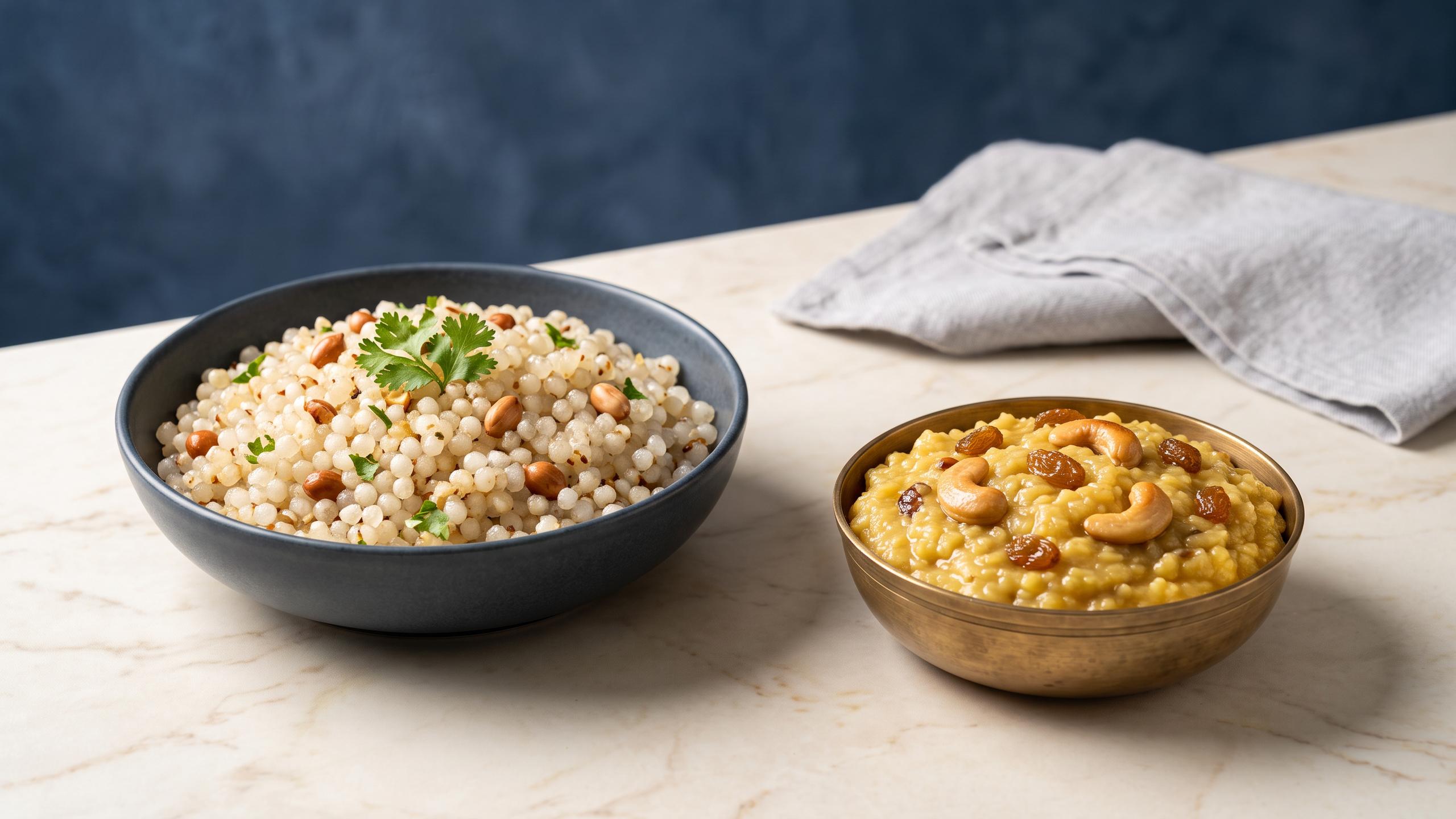
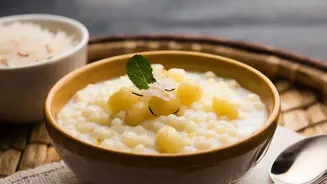
Head west to Gujarat and Maharashtra, and the fasting landscape is ruled by sabudana (tapioca pearls). Sabudana khichdi, a savoury dish made with soaked tapioca pearls, potatoes, and roasted peanuts, is a staple. Crispy sabudana vadas are another beloved snack, perfect for an energy boost. Flours like amaranth (rajgira) are used to make puris and theplas. The Gujarati 'farali' menu is extensive, including dishes like farali pattice (potato patties with a sweet coconut filling) and sweet potato curry (shakarkandi nu shaak). These dishes showcase the region's knack for creating complex flavours even within the constraints of fasting rules.
East India: A Celebration of Feasting
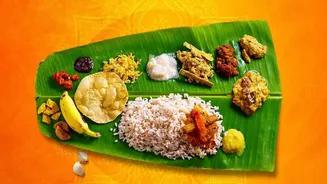
In West Bengal and other eastern states, the period of Navratri coincides with Durga Puja, the region's biggest festival. Here, the culinary tradition is a stark contrast to the fasting norms elsewhere. Durga Puja is seen as the homecoming of the goddess, a daughter returning to her maternal home, and is celebrated with grand feasts rather than fasting. While vegetarian 'bhog' like khichuri and labra (a mixed vegetable dish) are integral, fish and meat are also widely consumed and even offered as prasad in some Shakta traditions. This reflects the local culture where fish is a symbol of abundance and prosperity.
South India: The Tradition of Sundal
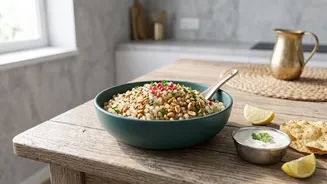
In the southern states, particularly Tamil Nadu, Navratri celebrations are unique, with the tradition of 'Golu'—an elaborate display of dolls. The quintessential Navratri food here is 'sundal'. Sundal is a simple and nutritious dish made from different legumes and lentils, such as chickpeas, black-eyed peas, or peanuts. Each of the nine days features a different kind of sundal, which is prepared as an offering (prasadam) and then distributed to guests. The preparation involves boiling the legume and then tempering it with mustard seeds, curry leaves, and fresh coconut. While lentils are avoided in North Indian fasts, they are central to the celebrations in the South, highlighting a significant regional difference in interpreting fasting rules.