






What Exactly Is Your Skin Barrier?
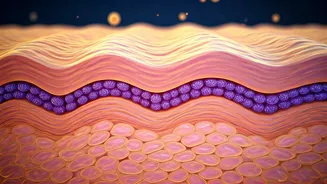
Think of your skin barrier, or stratum corneum, as a diligent security guard for your body. It's the outermost layer of your skin, composed of tough skin cells (the “bricks”) held together by a lipid mixture of ceramides, cholesterol, and fatty acids
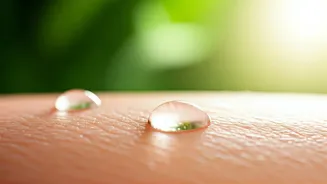
(the “mortar”). This vital shield has two main jobs: keeping good things like water in, and keeping bad things like pollutants, allergens, and harmful bacteria out. A healthy, intact barrier is the secret to skin that looks and feels smooth, hydrated, and calm.
The Backlash Against 'More Is More'
For years, the prevailing wisdom was to attack skin concerns with an arsenal of powerful products. This often led to over-exfoliation and layering too many active ingredients, which paradoxically created more problems. Dermatologists report seeing an increase in patients with compromised barriers due to the overuse of strong acids and retinoids. When the barrier is damaged, it can no longer function effectively, leading to a host of issues. Telltale signs include dryness, flakiness, persistent redness, itchiness, increased sensitivity, and even acne breakouts.
Adopting a 'Barrier-First' Philosophy
A barrier-first approach flips the traditional skincare script. Instead of immediately targeting specific issues like wrinkles or dark spots, it prioritizes repairing and reinforcing the skin's protective layer. The logic is simple: a healthy barrier allows skin to function optimally and makes it more resilient against environmental stressors. Furthermore, when your barrier is stable, any active ingredients you do use will work more effectively and with less risk of irritation. This is why dermatologists advocate for this 'protect before you correct' method.
Key Ingredients for Barrier Repair
When looking to support your skin barrier, the ingredients list is your best friend. Dermatologists consistently recommend a few key players. Ceramides are crucial, as they make up nearly 50% of the barrier's lipid structure and help fill in any gaps. Niacinamide (Vitamin B3) is another hero, known for calming inflammation and encouraging the skin to produce its own ceramides. Humectants like hyaluronic acid and glycerin draw moisture into the skin, while occlusives like petrolatum and squalane help lock it in. Peptides, panthenol, and fatty acids also play important supporting roles in healing and strengthening the skin.
How to Build Your Gentle Routine
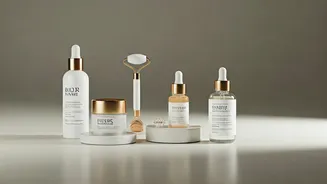
Building a barrier-friendly routine is about simplifying and being intentional. Start with a gentle, pH-balanced, and fragrance-free cleanser that doesn't leave your skin feeling tight or stripped. Next, apply hydrating serums or essences containing ingredients like niacinamide or hyaluronic acid to damp skin. Follow up with a moisturizer rich in ceramides and fatty acids to replenish and seal the barrier. The most critical morning step is applying a broad-spectrum sunscreen, as UV damage is a primary cause of barrier degradation. If you use strong actives like retinoids or exfoliating acids, introduce them slowly, perhaps only a few times a week, after your barrier feels strong and healthy.