



Nepal: The Monsoon's Gentle Retreat
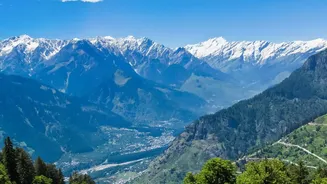
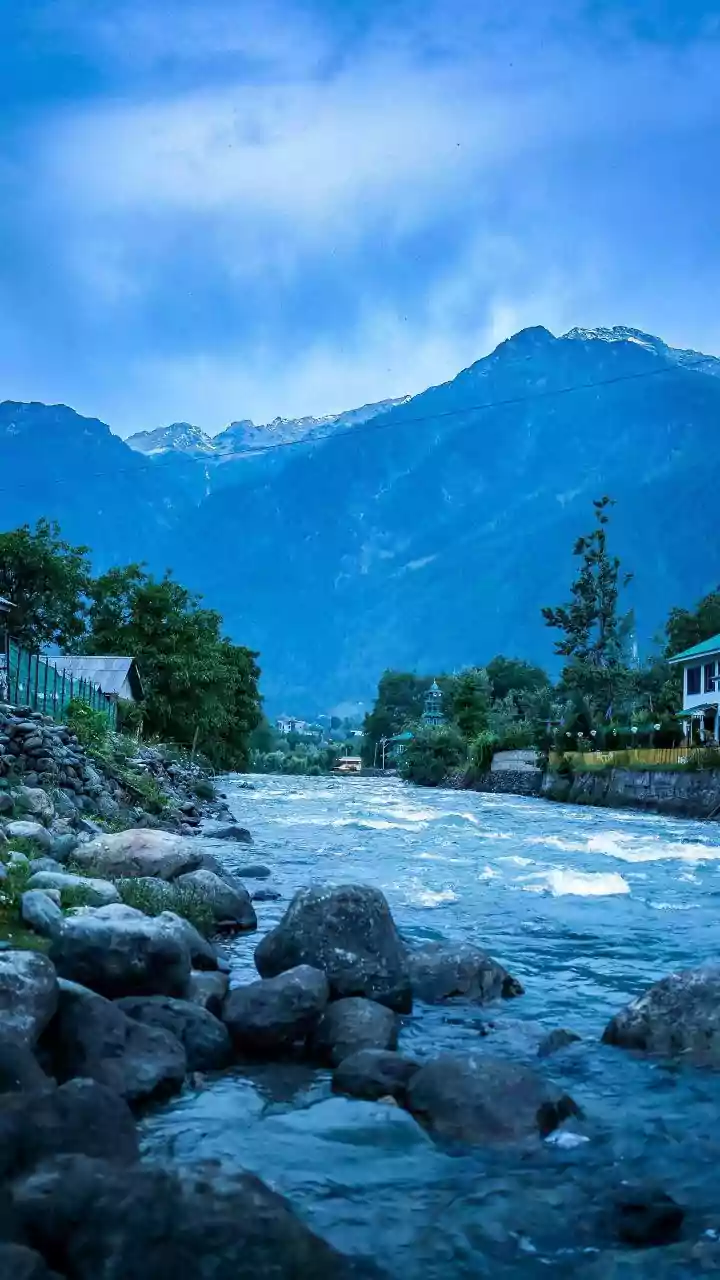
September in Nepal marks the beautiful transition from the wet monsoon season to the clear, dry autumn that is peak trekking season. Early in the month, you can still expect occasional rain showers, particularly in the afternoons, and some lower-altitude
trails may be muddy. However, as the month progresses, the rain recedes, washing the air clean and leaving behind incredibly lush, green landscapes. The real advantage of visiting in late September is catching near-perfect trekking conditions before the October crowds arrive. The skies become clearer, revealing stunning Himalayan views, and temperatures are pleasant for exploring cities like Kathmandu and Pokhara. While flight delays to mountain airstrips like Lukla are still possible, reliability improves significantly towards the end of the month. For trekkers, late September is a strategic window: you get the vibrant, post-monsoon scenery with fewer people on the trails and more availability in teahouses.
Vietnam: A Tale of Three Climates
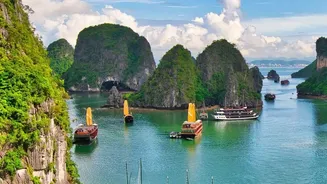
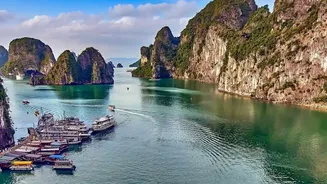
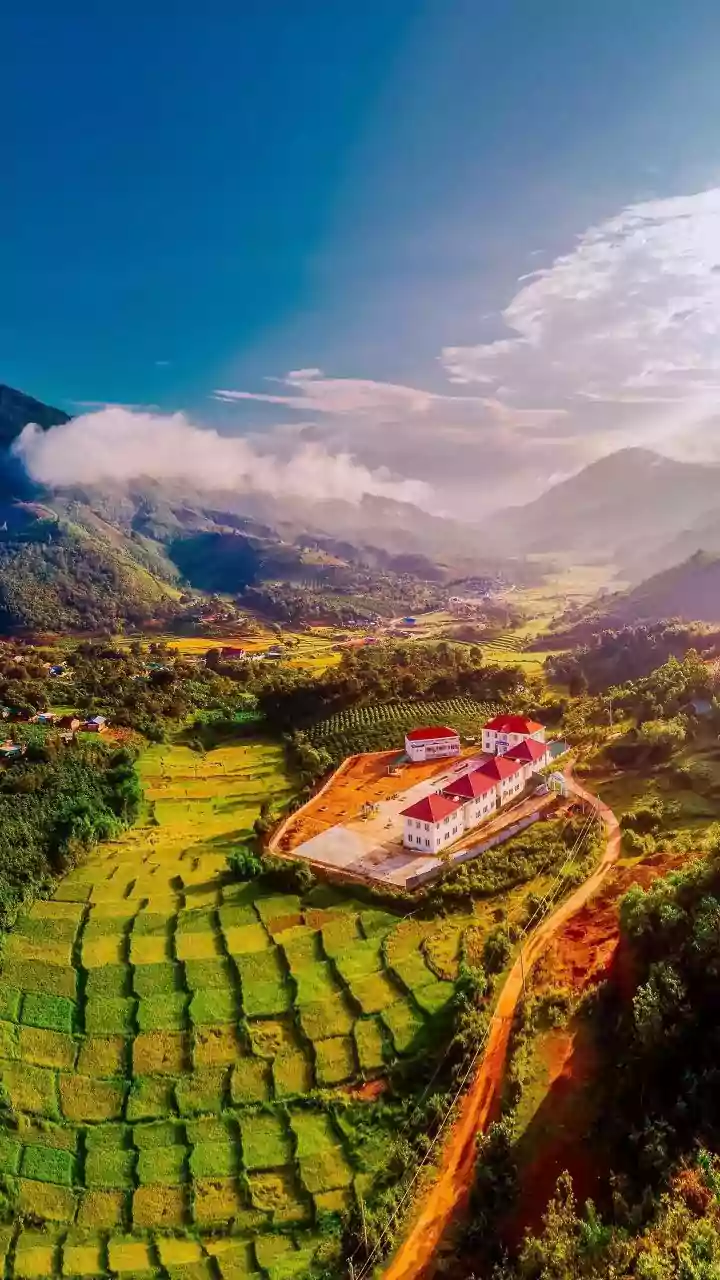
Vietnam's sheer length means it doesn't have one single weather pattern in September; it has three. Your experience will depend entirely on which part of the country you visit. In Northern Vietnam, including Hanoi and Ha Long Bay, September is the beginning of autumn. The intense heat and humidity of summer begin to fade, replaced by milder temperatures and decreasing rainfall, making it a great time for sightseeing. The South, including Ho Chi Minh City and the Mekong Delta, is still in its wet season, but the rains are often predictable and brief afternoon showers that shouldn't derail your plans. The central coast is the one region to be cautious about. Destinations like Da Nang and Hoi An enter their wettest period, and there is an increased chance of storms and typhoons, especially later in the month. So, while central Vietnam might be a washout, the north offers pleasant autumn weather, and the south remains a viable option for those who don't mind a daily downpour.
Sri Lanka: Navigating the Inter-Monsoon
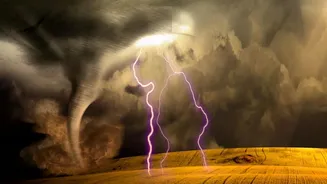
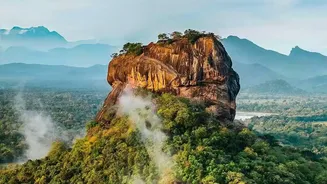
Sri Lanka's weather is governed by two separate monsoons, and September falls in a complex transitional period. The primary southwest monsoon, which affects the popular south and west coasts (including Galle and Colombo), is winding down. This means rainfall decreases, although seas can still be rough. Simultaneously, the northeast monsoon has not yet begun. This creates an 'inter-monsoon' phase where thunderstorms can pop up anywhere on the island, but it's generally a month of improving conditions. The best bet for a sunny beach holiday is the east coast, where destinations like Trincomalee and Pasikudah are still enjoying their dry season, although rain chances increase toward the end of the month. The Cultural Triangle, home to sites like Sigiriya, also tends to be relatively dry and pleasant. September is also considered a shoulder season, meaning fewer crowds and potentially lower prices, making it a good time to explore the east coast and historical sites.