
First, Understand Your Sunlight
Before you start planting, it's crucial to know what "partial sun" really means. Generally, it refers to an area that receives between three to six hours of direct sunlight per day. Many leafy herbs, unlike their woody Mediterranean cousins like rosemary,
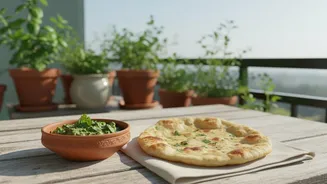
actually prefer this environment. Protection from the intense afternoon sun can prevent their leaves from scorching and stop them from "bolting" (flowering prematurely), which can make them bitter. Morning sun is often ideal, as it's less intense than the afternoon heat. Watch your balcony for a day to see which spots get direct light and for how long. This will help you place your pots perfectly.
Mint (Pudina)
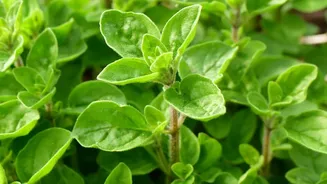
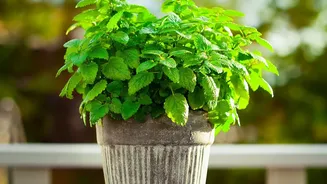
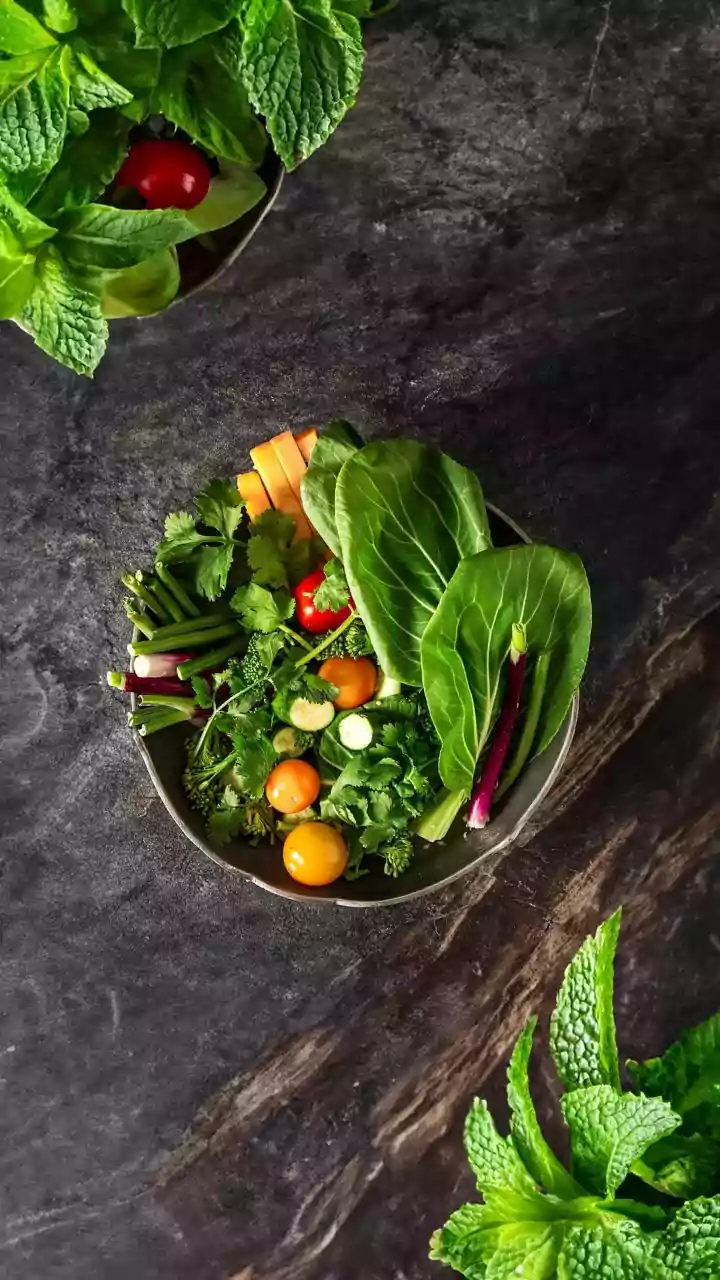
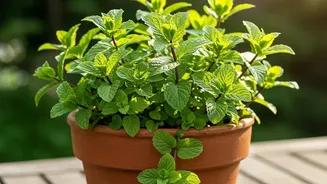
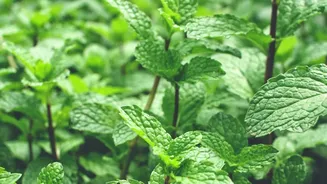
Mint is famously one of the most forgiving and reliable herbs for a partially shaded space. In fact, it often grows better with some protection from intense heat, which keeps its leaves lush and prevents them from drying out. It will grow happily with just a few hours of direct light, or even in dappled light for most of the day. Mint is an aggressive spreader, so it's best grown in its own container to prevent it from taking over other plants. Keep the soil consistently moist and trim it regularly to encourage a bushier, fuller plant perfect for teas, chutneys, and cool summer drinks.
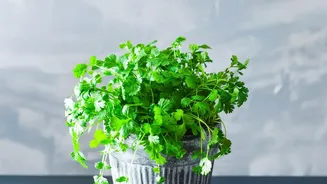
Coriander (Dhania)
A staple in Indian kitchens, coriander can be tricky to grow in the summer heat because it tends to bolt quickly. This is where a partial sun balcony becomes an advantage. Providing shade during the hottest part of the day helps keep the plant cool, prolonging the life of its flavourful leaves. Coriander prefers well-draining soil and consistent moisture to prevent stress. It’s best to sow seeds directly where it will grow, as it doesn't like being transplanted. For a continuous supply, sow a new batch of seeds every few weeks.
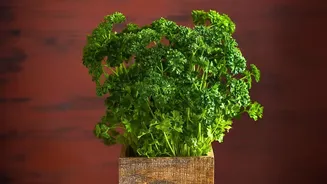
Parsley
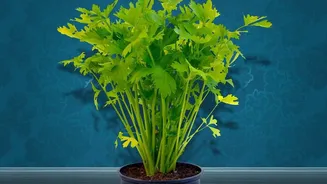
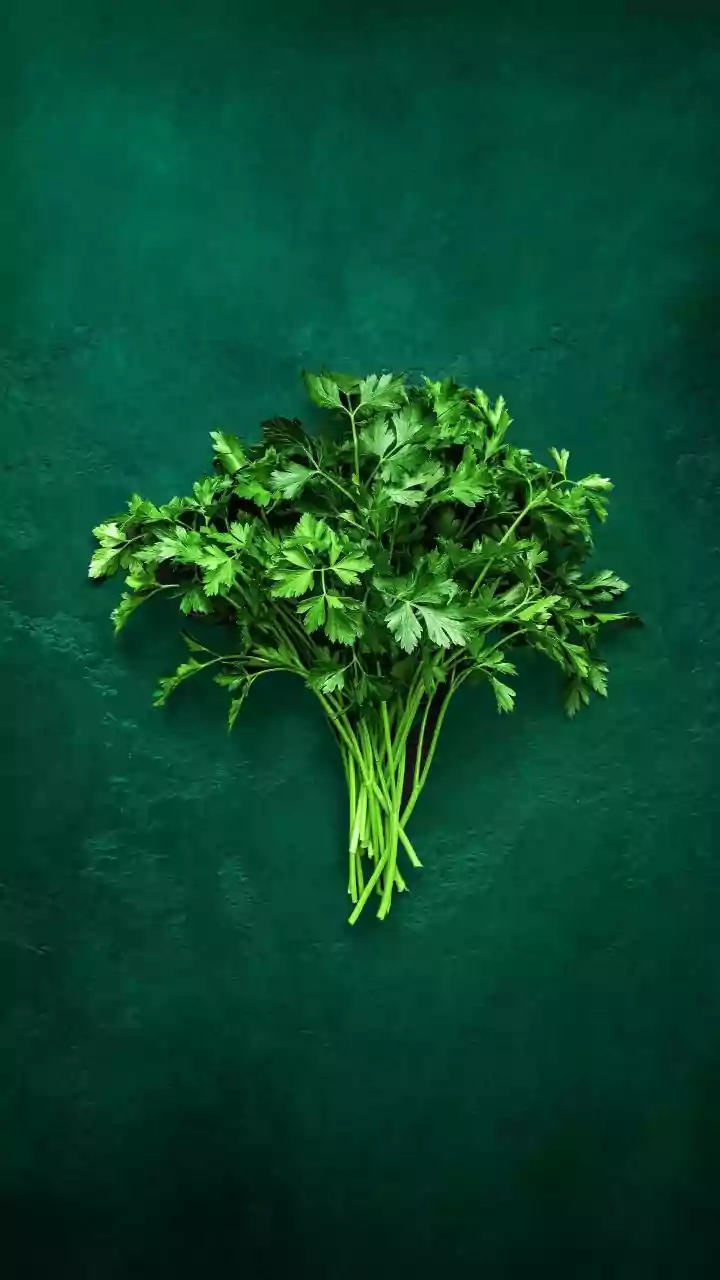
Both flat-leaf and curly parsley varieties are well-suited for spots that get partial shade. Like coriander, some afternoon shade can be beneficial, especially in hotter climates, as it helps the plant thrive longer into the summer. Parsley needs at least four to six hours of sunlight to do well. It prefers rich, moist, and well-draining soil. Harvest the larger, outer leaves first, which allows the younger inner leaves to continue growing, giving you a steady supply for garnishes, salads, and sauces.
Chives
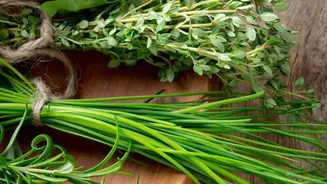
With a mild onion-like flavour, chives are a versatile and forgiving herb. While they perform best in full sun, they tolerate light shade quite well, making them a great candidate for balconies with less-than-perfect light conditions. They require at least four to six hours of sunlight daily to thrive. Chives grow well in pots with good drainage. The key is not to over-fertilise; too many nutrients can sometimes lead to weaker flavour. Snip the leaves from the base of the plant to encourage new growth. The purple flowers that bloom in summer are also edible and make a beautiful addition to salads.
Lemon Balm
A member of the mint family, lemon balm shares a similar tolerance for partial shade. Its citrus-scented leaves are wonderful for teas and flavouring water. In hot climates, providing afternoon shade is crucial to prevent the leaves from scorching and can even improve the flavour. Like mint, it can spread aggressively, so keeping it in a dedicated container is a wise choice. It's a hardy plant that adapts well to various soil conditions but prefers good drainage. Regular harvesting will keep it bushy and productive.