







Gardens That Grow Upwards
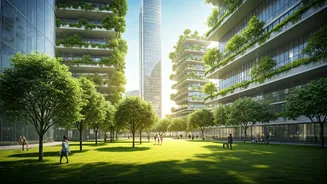
In cities where horizontal space is a premium, architects and planners are looking up. Vertical gardens, or living walls, are becoming a common sight, draping flyover pillars, metro stations, and corporate buildings in a curtain of green. These aren't
just for show; they are hardworking urban lungs. In cities like Bengaluru and Delhi, these green walls help combat the urban heat island effect, where concrete and asphalt absorb and retain heat, making the city significantly warmer. By providing shade and releasing moisture through evapotranspiration, they can cool surrounding areas. Furthermore, the plants act as natural air purifiers, filtering out pollutants like particulate matter and nitrogen dioxide, and creating a more pleasant visual landscape for weary commuters.
Trash Gets a Tech Makeover
For decades, the answer to our cities’ mounting garbage problem was a growing landfill on the outskirts. Today, a smarter approach is taking root, driven by technology and civic participation. Leading the charge is Indore, which has consistently been ranked as India's cleanest city. Its model involves meticulous six-bin waste segregation at the source, GPS-tracked garbage collection vehicles, and state-of-the-art processing plants that convert wet waste into valuable bio-CNG. Other cities are adopting similar 'smart waste' solutions, using sensor-equipped bins that notify municipal authorities when they are full, optimizing collection routes and preventing overflows. This shift from mere disposal to a circular economy—where waste becomes a resource—is crucial for making our cities cleaner and more sustainable.
Powering Homes from Above
The vast, sun-baked rooftops of our cities represent an enormous untapped resource. A growing movement towards decentralised power is unlocking this potential through rooftop solar installations. Spurred by falling panel costs and government initiatives, homeowners and businesses are transforming their roofs into mini power plants. Through net metering policies, any surplus electricity generated can be sold back to the grid, reducing electricity bills and easing the burden on our strained power infrastructure. This transition to solar not only provides energy independence and financial savings for individuals but also contributes to a larger national goal of reducing reliance on fossil fuels and cutting carbon emissions, one rooftop at a time.
Quieter, Cleaner Commutes
The roar of traffic and the haze of exhaust fumes are defining features of Indian city life. The electric vehicle (EV) revolution offers a path to a quieter, cleaner future. The push isn't just for electric cars; it's a holistic ecosystem that includes electric two-wheelers, auto-rickshaws, and public buses. To support this transition, governments and private players are rapidly expanding the network of public charging stations under schemes like FAME (Faster Adoption and Manufacturing of Electric Vehicles). As more people switch to EVs, our streets will become noticeably quieter, and the air quality will improve dramatically, tackling the twin menaces of noise and air pollution that plague our urban centres.
Reclaiming Public Spaces for People
The green upgrade isn't just about technology; it's also about reclaiming urban land for human connection and well-being. Across the country, cities are transforming neglected spaces—derelict industrial sites, forgotten riverfronts, and underused plots beneath flyovers—into vibrant community parks, walking plazas, and urban forests. These projects, often driven by local communities and citizen groups, create vital 'third places' outside of home and work where people can relax, exercise, and connect with nature and each other. By prioritising pedestrian-friendly designs and green cover, these initiatives are making cities more walkable, sociable, and mentally restorative for all residents.