




As November brings shorter days and a distinct chill to the air, it's common to feel a dip in energy. This seasonal sluggishness is your body's response to changes in light and temperature. A simple, delicious way to counteract this is by aligning your diet
with nature.
Why Seasonal Eating Matters
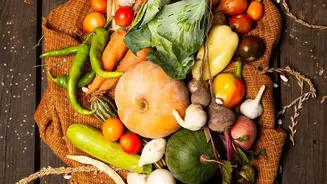
When the weather changes, our bodies have to work harder to regulate temperature and adapt to new environmental cues, which can lead to fatigue. Less sunlight can also disrupt our internal clocks, affecting mood and energy. Eating seasonally provides produce at its nutritional peak. Winter vegetables, in particular, are often packed with nutrients that support immunity and provide sustained energy, helping you feel more vibrant. Choosing foods that are naturally harvested in November is an effective strategy to give your body the specific fuel it needs for the colder months ahead.
Sweet Potatoes: The Comforting Energiser
Sweet potatoes, or 'shakarkandi', are a winter staple in India for good reason. They are an excellent source of complex carbohydrates, which provide a slow and steady release of energy, unlike the quick spike and crash from sugary foods. This helps maintain stable blood sugar and energy levels throughout the day. Rich in fibre, Vitamin A, and antioxidants, they also support good digestion and overall immunity. Enjoy them roasted with a pinch of spice or mashed into a comforting side dish for a meal that feels both nourishing and warming.
Spinach: The Iron-Rich Green
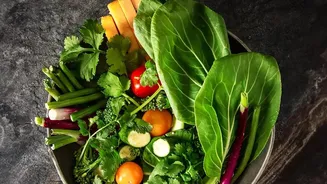
Feeling tired is a classic sign of low iron, and spinach (palak) is a fantastic plant-based source of this essential mineral. Iron is crucial for producing haemoglobin, which transports oxygen throughout your body; without enough, you can feel fatigued and weak. Spinach is at its peak in the cooler months and also provides magnesium and B vitamins, which are vital for energy production. To maximise iron absorption, pair spinach with a food high in Vitamin C – a simple squeeze of lemon juice over your palak dal or sabzi will do the trick.
Amla: The Immunity Powerhouse
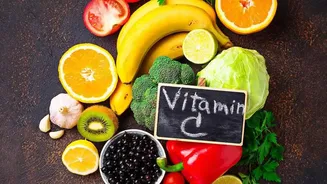
The Indian gooseberry, or amla, is one of nature's most potent sources of Vitamin C, containing significantly more than an orange. This vitamin is a powerful antioxidant that is crucial for a strong immune system, helping your body fend off common winter colds and infections that can sap your energy. Amla's high antioxidant content also helps fight oxidative stress, which can contribute to feelings of fatigue. While its taste is intensely sour, you can enjoy it as a juice, in pickles (achaar), or as a sweet preserve (murabba) to easily incorporate it into your diet.
Carrots: The Beta_Carotene Boost
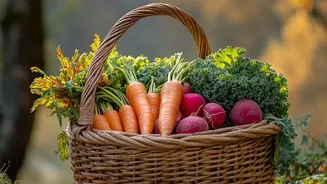
Vibrant, sweet carrots are a highlight of the November vegetable basket. They are packed with beta_carotene, which the body converts into Vitamin A. This nutrient is important for vision and skin health, but it also plays a role in supporting the immune system. Carrots also provide a good amount of fibre and potassium, contributing to sustained energy. Their natural sweetness makes them incredibly versatile. Enjoy them raw as a crunchy snack, shredded into salads, blended into warming soups, or cooked into classic Indian dishes like 'gajar ka halwa'.
Available from the monsoon through early winter, pomegranates are another excellent fruit to enjoy in November. These jewel_like seeds are loaded with antioxidants, particularly polyphenols, that help protect the body's cells from damage and reduce inflammation, which can otherwise contribute to fatigue. They are also a good source of fibre, vitamins, and iron, further supporting energy levels and overall health. Sprinkle the arils over yogurt, add them to salads for a burst of flavour and texture, or simply enjoy them on their own as a refreshing and energising snack.