



The Protein Myth We All Believed
For years, the approach to protein has been simple: check the label, count the grams, and hit your daily target. This quantity-over-quality mindset was straightforward, but it overlooked a crucial detail: our bodies don't use all proteins equally. The
idea that 'a gram is a gram' is being challenged by a more nuanced understanding of protein quality. We've been taught to focus on the total amount of protein in foods like lentils, tofu, and beans, but this number doesn't tell us how much of that protein is truly bioavailable—that is, how much gets digested, absorbed, and put to work building muscle and supporting our health. This is especially relevant as millions adopt plant-forward diets, relying on sources that behave differently in the body than their animal-based counterparts.
Not All Protein is Created Equal
The key difference lies in digestibility and amino acid profiles. Proteins are made of amino acids, nine of which are 'essential' because our bodies can't make them. Animal proteins are typically 'complete,' containing all nine in high amounts. Most plant proteins, however, have a lower concentration of one or more of these essential amino acids. Furthermore, plant-based whole foods contain compounds like phytates and fiber that can slightly reduce how much protein our bodies can absorb from them. For decades, the standard for measuring protein quality was the Protein Digestibility-Corrected Amino Acid Score (PDCAAS). This method, however, had limitations. It measured digestibility using fecal samples, which isn't the most accurate reflection of what happens in the human gut, and it capped scores at 1.0, making many high-quality proteins appear equal when they weren't.
Enter the New Science: Meet DIAAS
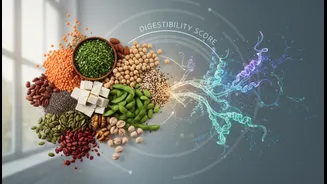
To get a more accurate picture, the Food and Agriculture Organization (FAO) has recommended a newer, more precise method: the Digestible Indispensable Amino Acid Score (DIAAS). Instead of measuring digestibility at the end of the digestive tract, DIAAS measures the absorption of individual amino acids in the small intestine, which is a much better indicator of what your body can actually use. Unlike the old PDCAAS system, DIAAS scores are not capped at 100 (or 1.0), which allows for a clearer distinction between good and excellent protein sources. For example, under PDCAAS, whey protein and soy protein isolate looked almost identical. With DIAAS, the difference in quality becomes much clearer, giving consumers and nutritionists a better tool. This new system reveals that while some plant proteins score lower than animal proteins, their quality can be significantly improved through processing or combination.
Your Plant-Powered Plate, Reimagined
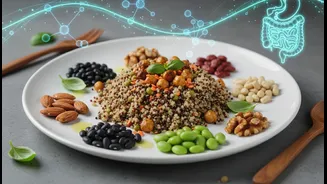
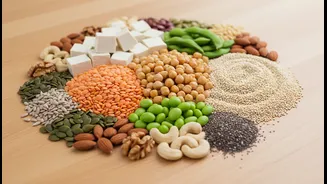
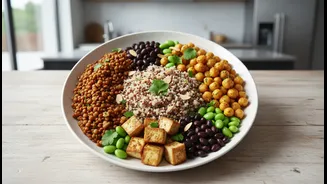
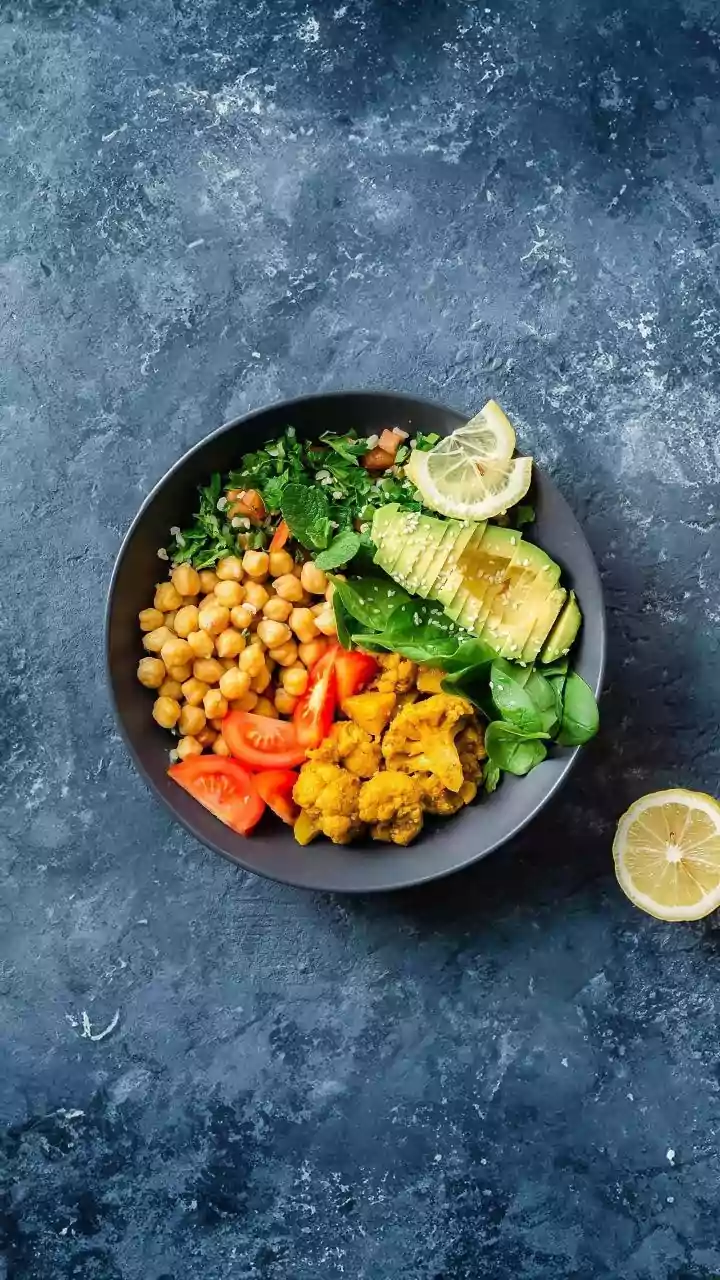
So, what does this mean for your daily meals? It doesn't mean you need to abandon your plant-based diet or become a biochemist. It simply means a shift in strategy from just counting grams to building smarter plates. The long-held myth that you must meticulously combine 'incomplete' proteins (like beans and rice) in the same meal has been widely debunked. Your body maintains a pool of amino acids, so as long as you eat a variety of plant protein sources throughout the day, you'll get everything you need. The focus now is on variety and quality. A diet relying solely on wheat protein, for example, will be less effective than one that includes lentils, quinoa, tofu, and nuts. This new research empowers you to think about synergy—how different foods can work together to provide a complete and highly usable protein package.
Beyond Grams: A Smarter Approach to Tracking
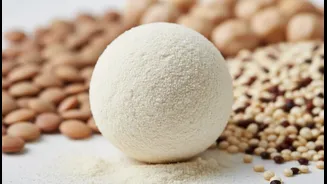
Instead of obsessing over precise numbers, adopt these smarter habits. First, prioritize variety. Mix and match legumes, grains, nuts, and seeds to ensure you're getting a broad spectrum of amino acids. Foods like quinoa, soy, buckwheat, and nutritional yeast are excellent because they are considered complete proteins on their own. Second, consider how food is prepared. Soaking, sprouting, or fermenting beans and grains can help reduce anti-nutritional factors and improve protein absorption. A fermented plant protein powder, for instance, often has higher digestibility than a standard one. Finally, listen to your body. Ensure you're eating enough calories overall, as protein needs are hard to meet if your total energy intake is too low. The goal isn't perfection, but a balanced, varied diet that provides your body with the high-quality fuel it needs to thrive.