




The Appeal of Barefoot Hiking
Beyond the sensory experience, walking without shoes offers tangible physical benefits. Modern footwear, with its heavy cushioning and arch support, can cause the small, intrinsic muscles in our feet to become weak from underuse. Going barefoot forces
these muscles to engage, leading to stronger, more resilient feet. Each foot contains over 100 muscles, tendons, and ligaments, and strengthening this foundation can improve mechanics all the way up your legs and back. The sole of the foot is also packed with nerve endings. Direct contact with the ground enhances proprioception—your body's awareness of its position in space—which can lead to better balance and stability on uneven terrain. This increased feedback allows your feet to adjust to rocks and roots naturally, rather than rolling over them blindly inside a rigid boot. Some proponents also point to the stress-relieving benefits of being more connected to the outdoors.
Understand the Risks First
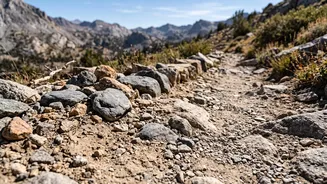
Before you discard your hiking boots, it is crucial to acknowledge the risks. The most obvious dangers come from the environment itself: sharp rocks, broken glass, thorns, and biting insects can cause cuts, bruises, and punctures. You also need to be mindful of surface temperatures, as hot pavement or cold ground can cause burns or discomfort. However, the more subtle risk comes from doing too much, too soon. Your feet, accustomed to the support of shoes, are not immediately ready for the stress of barefoot hiking. Jumping into a long, difficult hike without proper conditioning can lead to muscle strain, tendonitis, or even stress fractures. It's a practice that demands patience. Individuals with certain health conditions, particularly diabetes-related nerve damage (neuropathy), are generally advised against going barefoot even indoors, as they may not feel minor injuries that could lead to serious complications.
Your Conditioning Plan: Start Soft and Slow
The key to a successful transition is gradual adaptation. Begin your journey in a safe, controlled environment. Start by walking barefoot inside your house for short periods. Once comfortable, move to soft outdoor surfaces like a grassy lawn, a sandy beach, or a well-maintained park. These surfaces are forgiving and allow your feet to begin strengthening without the shock of hard or sharp terrain. At first, aim for just 15 to 20 minutes a day. Pay close attention to how your feet and calves feel. Some initial soreness is normal as you awaken dormant muscles, but sharp or persistent pain is a signal to rest and reduce the intensity. This initial phase is not about distance; it's about building a foundational tolerance and strength in the muscles and skin of your feet. You can also incorporate simple foot-strengthening exercises, like picking up a small towel with your toes or doing calf raises.
Moving to the Trail: A Step-by-Step Guide
Once you can comfortably walk on soft surfaces for longer periods, you can begin to tackle easy trails. Choose a path you know well, preferably one with a soft dirt surface and minimal rocks or roots. Always carry a pair of minimalist shoes or your regular hiking boots with you. Start by hiking barefoot for a short distance, perhaps just the first kilometre. Then, put your shoes on for the remainder of the hike. Over several weeks, gradually increase the barefoot portion of your hike. This allows your feet to adapt to more varied terrain while giving you a backup if you experience discomfort. Always watch the path a few steps ahead to plot a safe course and avoid potential hazards. Develop a lighter, more conscious way of walking: aim to land softly on the ball of your foot rather than striking hard with your heel. This technique acts as a natural shock absorber.
Essential Gear and Final Tips
While the goal is to be barefoot, a few items are essential. Always carry a small first-aid kit with antiseptic wipes, bandages, and tweezers for dealing with minor cuts or splinters. And as mentioned, never go without a backup pair of shoes. Even experienced barefoot hikers may encounter terrain that is too sharp, hot, or cold to navigate safely. Listen to your body above all else. If a surface feels too aggressive or your feet are feeling fatigued, it is not a failure to put your shoes on. Barefoot hiking is not about endurance or toughness; it is about awareness and a different kind of connection with your environment. Rushing the process is the surest way to get injured and set yourself back. Be patient, stay present, and enjoy the unique feeling of the trail beneath your feet.