



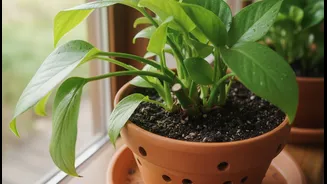



Why Crowding Creates a Fungal Playground
When plants are placed too close to each other, it significantly reduces air circulation. This lack of airflow traps moisture on the leaves and stems, especially in humid weather or after watering. Fungi, such as powdery mildew and black spot, thrive
in these warm, damp environments. The constant humidity creates the perfect breeding ground for spores to germinate and spread from one plant to another. Overcrowding also forces plants to compete for sunlight, water, and nutrients, leaving them stressed and more vulnerable to infection.
Common Fungal Diseases to Watch For
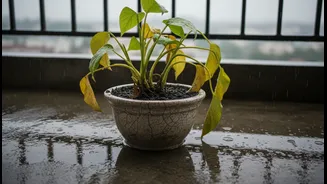
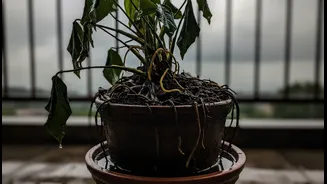
Early detection is key to stopping the spread of fungal diseases. Be on the lookout for these common signs in your balcony garden: Powdery Mildew: This appears as a white or grey dusty coating on leaves, stems, and sometimes flowers. It's one of the most common issues and can occur even in drier conditions. Black Spot: As the name suggests, this disease causes dark spots to form on the upper side of leaves, which may develop a yellow halo. Eventually, the entire leaf can turn yellow and fall off. Root Rot: If a plant is wilting despite the soil being moist, you might have a case of root rot. This is often caused by overwatering and poor drainage, which allows fungi in the soil to attack the roots, turning them brown and mushy. Leaf Spot: You might notice small brown or black spots on the leaves, which can grow larger over time. This is a general term for various fungal infections that flourish in wet conditions.
The Golden Rule: Spacing and Airflow
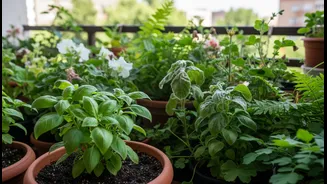
The single most effective preventative measure is to give your plants room to breathe. When arranging pots on your balcony, ensure there is enough space between them for air to move freely. This simple step helps leaves dry faster after rain or watering, making it much harder for fungal spores to take hold. Consider the mature size of your plants when potting them; a small plant today might need a much larger pot and more space as it grows. Using vertical stands or hanging planters can also help improve airflow by preventing a dense cluster of pots on the floor.
Prune for Health and Ventilation
Strategic pruning is not just for aesthetics; it's crucial for plant health. Regularly trim any dense foliage, especially from the inner parts of the plant, to improve air circulation through the branches. Remove any yellowing, dead, or diseased leaves as soon as you spot them. This not only improves airflow but also removes potential sources of infection before they can spread to healthy parts of the plant or to neighbouring pots. Always use clean, disinfected pruning tools to avoid transferring pathogens from one plant to another.
Water Wisely to Avoid Dampness
How you water is as important as how often you water. Always aim to water the soil at the base of the plant, not the leaves. Wet foliage is a primary driver of many fungal diseases. Watering in the morning is ideal, as it gives the leaves plenty of time to dry in the sun during the day. Evening watering can leave moisture on the foliage overnight, creating a perfect environment for fungal growth, especially during the humid monsoon season. Ensure every pot has adequate drainage holes to prevent waterlogging, which leads to root rot.