




The New Space Race is Private
For decades, a career in space in India meant one thing: joining the Indian Space Research Organisation (ISRO). While ISRO remains the pinnacle of India's space ambitions, a quiet revolution has taken place. Thanks to the landmark Indian Space Policy
of 2023, the sector has been thrown open to private enterprise, creating an explosion of startups and opportunities. The government's new role is to facilitate, while private companies handle end-to-end space activities. This has led to the rise of over 400 private space startups, transforming the job market. The Indian space economy, currently valued at over $8 billion, is projected to hit $44 billion by 2033, creating tens of thousands of high-skilled jobs along the way.
Launch and Hardware: Building the Rockets
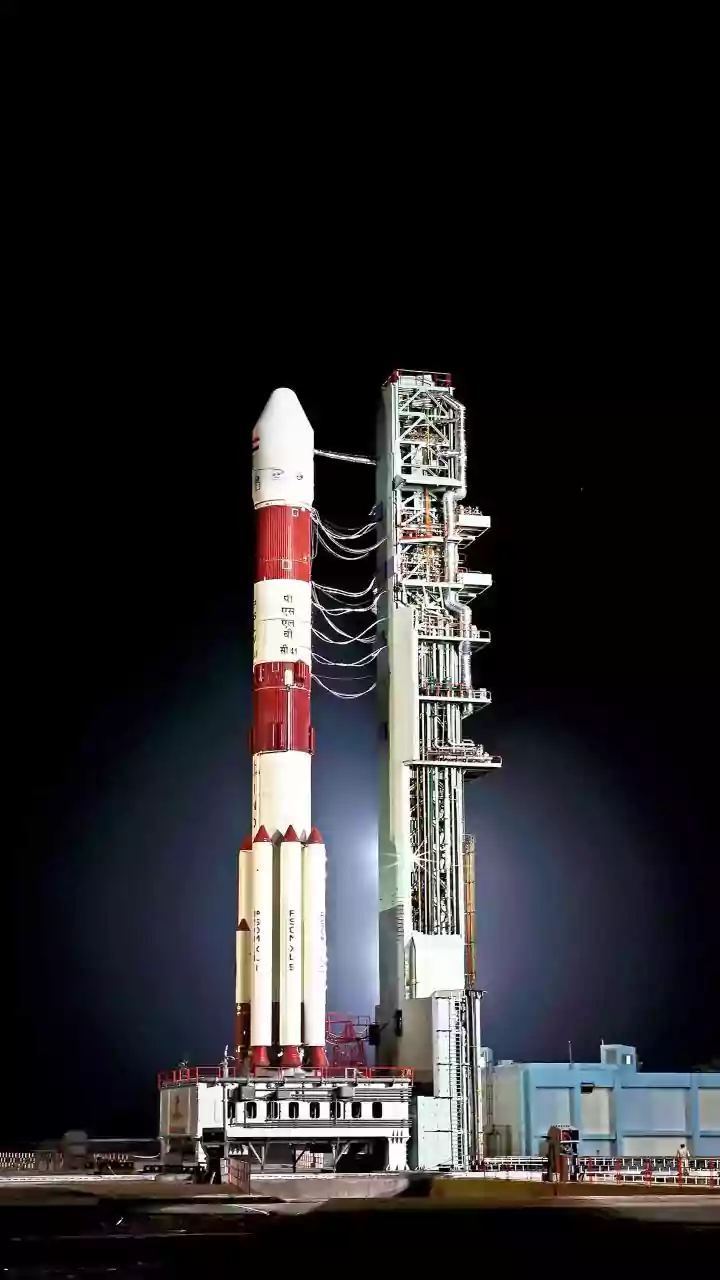
The most visible part of the private space boom is in the 'upstream' sector: companies that build the hardware for going to space. Startups like Hyderabad-based Skyroot Aerospace and Chennai's Agnikul Cosmos are at the forefront. Skyroot became the first Indian private company to launch a rocket, while Agnikul is pioneering 3D-printed rocket engines. These companies are aggressively hiring engineers across multiple disciplines. Key roles include aerospace, avionics, propulsion, and mechanical engineers who design, build, and test everything from rocket engines to guidance systems. Unlike a traditional government job, the startup environment is fast-paced, offering significant responsibility and, often, equity in the company.
Downstream Data: Making Sense of the Stars
For every rocket that goes up, a torrent of data comes down. This is where the 'downstream' sector thrives. Companies like Bengaluru-based Pixxel are building constellations of hyperspectral satellites that can monitor everything from crop health and pollution to urban planning. This creates a huge demand for professionals who can turn this data into actionable intelligence. Roles for data scientists, geospatial analysts, remote sensing specialists, and software developers are booming. These jobs are not just for techies; they require domain expertise in fields like agriculture, climate science, and disaster management. The applications are vast, impacting industries far removed from space itself.
The In-Demand Skillset for Space 2.0
While a B.Tech in aerospace or mechanical engineering remains a classic entry point, the needs of the new space economy are much broader. Strong fundamentals in physics and maths are essential. Technical skills in high demand include robotics, AI and machine learning, embedded systems, and cybersecurity. However, it's not just about hardcore engineering. As the industry matures, there's a growing need for project managers, legal experts specializing in space law, and business development professionals. Even non-technical roles in communications and finance are opening up. What unites all these roles is the need for multi-disciplinary thinking and a passion for problem-solving in a challenging environment.
Who's Hiring and Where to Look
The private space ecosystem is becoming a major employer, with some seasoned engineers even moving from ISRO to the private sector for more dynamic roles. Key players to watch include Skyroot Aerospace, Agnikul Cosmos, Pixxel, Dhruva Space (satellite manufacturing), and Bellatrix Aerospace (spacecraft propulsion). These companies are not just concentrated in one city; hubs are forming in Bengaluru, Hyderabad, and Chennai. Many of these startups have dedicated careers pages on their websites and are actively recruiting from top engineering colleges beyond just the IITs. For those aspiring to join, building a strong foundation in engineering, data science, or a related field is the first step toward a career in this exciting and rapidly expanding industry.