






What is Digital Destination Discovery?
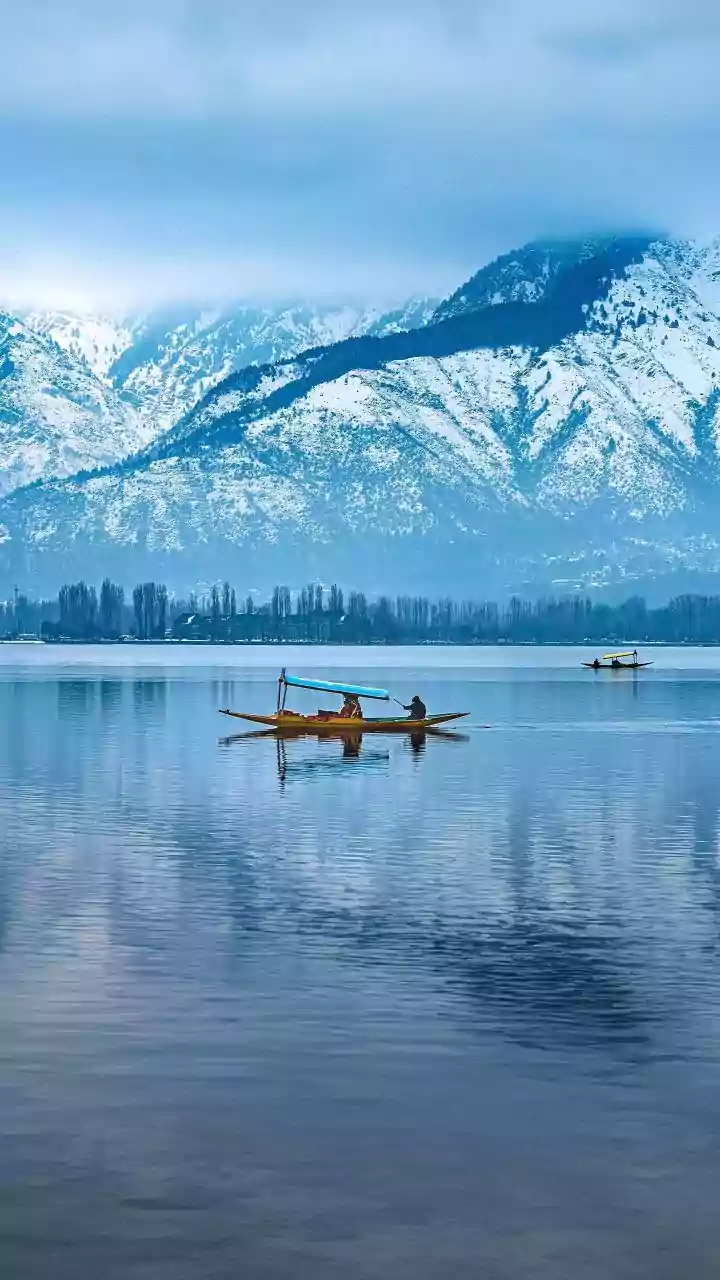
Digital destination discovery is everything that happens online to make a traveller aware of, and interested in, a place they might not have considered before. It’s more than just a booking website. The journey starts with an Instagram Reel of a waterfall
in Meghalaya, a travel vlogger's tour of a homestay in Sikkim, or a geotagged photo of a serene beach in Karnataka. It encompasses user-generated reviews, online articles, virtual tours, and AI-powered recommendations that collectively create a digital footprint for a location. Before social media, choices were limited by travel agents and brochures, focusing on popular spots. Now, platforms like YouTube and Instagram are primary sources for travel inspiration, especially for younger travellers seeking unique and authentic experiences away from the crowds.
Levelling the Playing Field
Traditionally, smaller tourism markets faced insurmountable barriers. Lacking the massive marketing budgets of states promoting major attractions, they struggled for visibility. Their promotion often depended on word-of-mouth, limiting their reach. Today, digital tools can act as a great equaliser. A small, family-run guesthouse in the Himalayas or an artisan cooperative in a remote village can now be discovered globally. Online Travel Agencies (OTAs) and platforms for homestays provide them with a ready-made booking infrastructure. More importantly, social media allows for authentic storytelling that resonates with modern travellers. A single viral video from an influencer can generate more interest than an expensive ad campaign, effectively bypassing traditional gatekeepers.
Government Push Meets Digital Pull
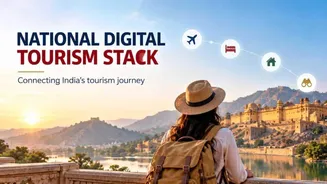
This trend is amplified by a focused government strategy. Initiatives like 'Dekho Apna Desh 2.0' and 'Swadesh Darshan' are designed to decentralise tourism and promote lesser-known destinations. On World Tourism Day 2026, the Ministry of Tourism launched a National Digital Tourism Stack, aiming to make all of India's tourism products, from homestays to local guides, more discoverable and accessible online. This digital-first approach works hand-in-hand with the organic pull of social media. The government's goal is to redirect tourist traffic away from overburdened hotspots, encouraging a more balanced and sustainable distribution of visitors across the country. This includes developing thematic circuits like rural, eco, and spiritual tourism to showcase India's diversity.
From Clicks to Community Impact
When a traveller discovers and visits a smaller destination, the economic impact is direct and powerful. Tourist spending flows to local homestay owners, guides, artisans, and small businesses, creating jobs and supporting livelihoods. This model of tourism helps preserve local culture and heritage by making it economically viable. For example, villages like Yakten in Sikkim are being developed as 'digital nomad' villages, attracting remote workers who contribute to the local economy while experiencing the culture. By creating opportunities within these communities, digital discovery can help reduce migration to urban centres and foster sustainable, inclusive growth. The focus is shifting towards tourism with a purpose, where visitors become part of the local story.
The Road Ahead Has Challenges
Despite the immense potential, the path is not without obstacles. The most significant is the digital divide. Many rural and remote areas still suffer from poor internet connectivity and unreliable electricity, which are fundamental for running an online-first business. Digital literacy is another major hurdle; local entrepreneurs need training to effectively market their offerings online and manage digital bookings. Furthermore, a sudden influx of tourists into a previously unknown area can put immense pressure on fragile ecosystems and local culture. There are real concerns about managing carrying capacity and avoiding the pitfalls of over-tourism that have plagued more famous destinations. Success depends not just on getting discovered, but on managing the attention that follows.