







Deconstructing the Food Coma
That familiar wave of drowsiness that hits an hour after a hearty meal is often called a “food coma.” This feeling is not just in your head; it’s a physiological response to a rapid change in your blood sugar levels. When you eat a meal heavy in carbohydrates,
especially refined ones like white rice or roti, they are quickly broken down into glucose. This causes a sudden, sharp spike in your blood sugar. In response, your pancreas releases a large amount of insulin to move that sugar out of your blood and into your cells. This rapid rise and subsequent sharp fall in blood sugar is what leaves you feeling drained, sleepy, and often craving more sugar or caffeine to get through the afternoon. It’s a vicious cycle of spikes and crashes that can sabotage your energy and productivity.
What is the Fibre-Gating Method?
The “Fibre-Gating Method” is a user-friendly term for a scientifically-backed concept known as food sequencing. The principle is remarkably simple: the order in which you eat the different components of your meal can dramatically flatten that glucose curve. The golden rule is to eat your food in this specific sequence: fibre first, protein and fats second, and starches and sugars (carbohydrates) last. This isn’t about deprivation or giving up your favourite foods. It is a strategic approach to eating that works with your body's digestive process to release energy slowly and steadily, preventing the spike-and-crash cycle responsible for post-meal lethargy.
How Fibre Creates the 'Gate'
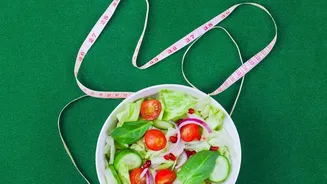
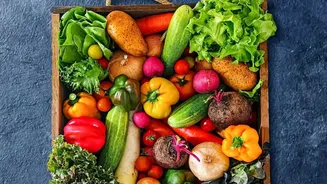
The magic of this method begins with fibre. When you start your meal with fibre-rich foods like a simple salad (cucumber, tomatoes) or cooked green vegetables, you're building a protective barrier in your digestive system. Soluble fibre, in particular, dissolves in water to form a thick, gel-like substance in your stomach and small intestine. This viscous mesh acts like a “gate,” physically slowing down the digestion process. It means that the carbohydrates you eat later in the meal are broken down and absorbed into your bloodstream much more gradually. Instead of a flood of sugar hitting your system all at once, you get a slow, controlled trickle, which your body can manage without a dramatic insulin surge. Studies show this simple act can reduce post-meal glucose spikes significantly.
The Supporting Role of Protein and Fats
After your fibrous starter, the next step is to eat your protein and healthy fats. This includes items like dal, paneer, tofu, eggs, chicken, fish, or a serving of dahi (yoghurt). These macronutrients play a crucial dual role. First, they further slow down gastric emptying, meaning the food stays in your stomach longer, promoting a feeling of fullness and satisfaction. Second, they stimulate the release of hormones that regulate appetite, which can help you feel full before you even get to the main carbohydrate portion of your meal. This often results in naturally eating less rice or roti without feeling deprived, further helping to manage the overall glucose load of the meal.
A Makeover for the Indian Thali
This is where the method truly shines for its practicality in an Indian context. You don't need to eat in separate, formal courses. It’s about being mindful of what you eat first from the plate in front of you. When your thali arrives, instead of mixing your dal and sabzi with rice and starting right away, try this sequence: 1. Start with the salad (kachumber) or spend the first five minutes eating your vegetable dish (sabzi), like bhindi, palak, or lauki. 2. Next, move on to your protein. Eat your dal, sambar, paneer curry, or dahi. 3. Finally, enjoy your carbohydrates. Pick up your roti or start on your rice, eating them with any remaining dal and sabzi. By the time you eat the carbs, the fibre and protein have already laid the groundwork to buffer the sugar spike.
Beyond Just Beating the Slump
While conquering post-meal lethargy is the immediate reward, the benefits of food sequencing extend much further. Consistently keeping your blood sugar levels more stable can lead to fewer cravings, better weight management, and improved focus throughout the day. Over the long term, blunting daily glucose spikes helps improve your body’s sensitivity to insulin and supports overall metabolic health, reducing inflammation and lowering the risk of chronic conditions. Because it's a sustainable habit rather than a restrictive diet, it's an easy strategy to adopt for lasting well-being.