






A Ritual of Rain and Cravings
What you're seeing isn't just a random food trend; it's a glimpse into the cherished ritual of “monsoon eating.” In countries like India, Pakistan, and Bangladesh, the annual rainy season (the monsoon) is more than a weather pattern—it's an event that
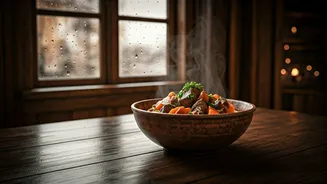
transforms the landscape, mood, and, most importantly, the appetite. For generations, the arrival of dark clouds and downpours has triggered a near-instinctive craving for a specific category of foods: hot, crispy, savory, and deeply comforting. This isn't just about staving off hunger. It's a sensory experience that pairs the pitter-patter of rain with the sizzle of hot oil and the warmth of a spiced drink, creating a feeling of cozy indulgence known as “pakora weather.”
The Undisputed Star: Pakoras
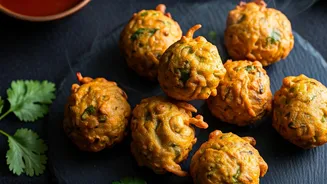
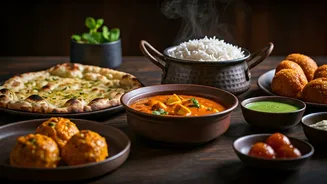
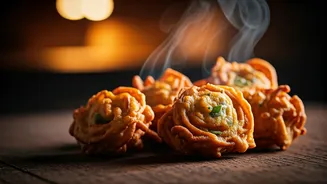
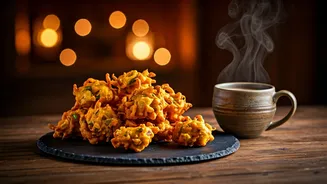
At the heart of the monsoon menu is the pakora. If you’ve never had one, imagine a savory, bite-sized fritter. A thick batter, usually made from chickpea flour (besan), is seasoned with spices like turmeric, chili, and cumin. Then, various ingredients are dunked and fried to golden-brown perfection. The most common varieties are onion (pyaz pakora), potato (aloo pakora), and spinach (palak pakora), but paneer, cauliflower, and even bread are fair game. Served piping hot with a side of tamarind chutney or mint-coriander sauce, they are the ultimate rainy-day snack. Their crispy exterior gives way to a soft, flavorful interior, offering a perfect textural contrast that social media has found utterly irresistible.
The Essential Companions: Chai and Bhutta
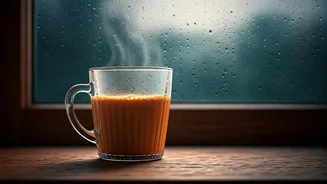
A plate of pakoras is rarely served alone. Its indispensable partner is a steaming cup of masala chai. This isn't your average tea bag in hot water. True masala chai is a brew of strong black tea, milk, sugar, and a fragrant blend of spices like cardamom, ginger, cloves, and cinnamon. The warm, sweet, and spicy notes of the chai cut through the richness of the fried snacks, creating a perfect pairing. Another monsoon street food icon is bhutta: roasted corn on the cob. Vendors across South Asia grill fresh corn over hot coals until it’s lightly charred, then rub it with a mixture of salt, chili powder, and a generous squeeze of lime juice. The smoky, spicy, and tangy flavors are a quintessential taste of the season.
More Than Just Comfort Food
While the appeal of hot, fried food on a cool, dreary day is universal, there's a deeper cultural and even historical logic at play. Traditional wellness systems like Ayurveda suggest that the damp, cool monsoon weather can weaken digestion. As a result, warm, spiced, and easily digestible foods are recommended. Ginger and black pepper, common in both chai and pakora batters, are believed to aid digestion and provide warmth. Furthermore, the monsoon was historically a time when fresh, leafy greens were less available or prone to contamination from rainwater, making heartier options like chickpea flour and root vegetables a practical choice. These traditions have been passed down, evolving from practical necessity into a beloved cultural celebration.
From Mumbai Street Corner to Your TikTok Feed
So why is this deeply regional tradition blowing up globally now? The answer lies in the power of social media and a growing diaspora. Platforms like TikTok and Instagram Reels are visual mediums perfectly suited to capturing the ASMR-friendly sizzle of a pakora hitting hot oil or the satisfying pour of milky chai. Creators from the South Asian diaspora are sharing these nostalgic, comforting moments from their childhood, and the content is resonating far beyond their own communities. For a global audience, it offers a delicious and accessible window into another culture. It’s a trend that reminds us that the simple, profound joy of finding comfort in food during a storm is something we can all understand.