






The Direct Hit on Your Grocery Bill
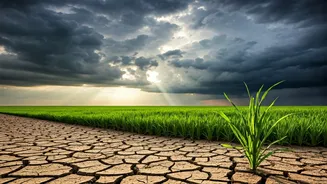
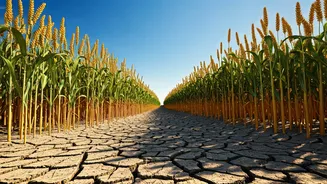
The most immediate and noticeable impact of erratic rainfall is on food prices. Agriculture in India remains heavily dependent on the monsoon, with nearly half of all cultivated land relying on seasonal rains. When the monsoon is delayed, weak, or unevenly
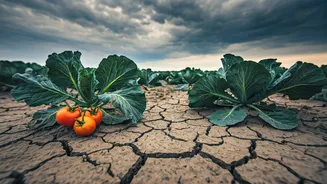
distributed, it disrupts sowing schedules and reduces crop yields. This has a direct chain reaction: lower production leads to supply shortages, which in turn causes prices for essential commodities to spike. In 2023, a monsoon with a 6% rainfall deficit led to a reduced sown area for pulses and oilseeds, causing retail prices for staples like rice and wheat to jump by up to 15% year-on-year. Recent spikes in tomato prices have also been linked to a combination of intense heat and unpredictable rains disrupting supplies from key growing states. These climate shocks are a major driver of food inflation, which makes up nearly 46% of India's consumer price index, meaning any fluctuation is quickly felt at the local kirana store.
The Rising Cost of Water
Beyond the farm, changing rainfall patterns are creating a water cost crisis in both rural and urban areas. In many parts of rural India, weaker monsoons and depleted groundwater tables are forcing households to spend more time and money to secure water as local wells run dry. In cities, the situation has given rise to a “tanker economy.” When municipal supplies dwindle due to low reservoir levels—a direct consequence of poor rainfall—many residents are forced to pay for water from expensive private vendors. As of mid-June 2026, water stock in the seven lakes supplying Mumbai had fallen to critically low levels. These shortages often lead to water restrictions, impacting daily life and businesses. Conversely, extreme rainfall events can also increase costs. Urban flooding, exacerbated by overwhelmed drainage systems, can damage water infrastructure and contaminate supply, leading to repair costs and health risks.
The Pressure on Your Electricity Bill
Your monthly electricity bill is also closely linked to the monsoon's performance. Hydropower is a significant source of renewable energy in India, and its generation capacity is directly dependent on rainfall to fill reservoirs. During years with strong, sustained monsoons, abundant hydropower can lead to lower electricity prices on the energy exchanges. However, when rainfall is deficient, hydropower generation drops. This forces power grids to rely more heavily on burning expensive fossil fuels like coal to meet demand, which is often higher due to increased use of air conditioning during hotter, drier periods. These higher generation costs are eventually passed on to consumers through increased tariffs, adding another layer of financial pressure on households. The India Meteorological Department's forecast for a below-normal monsoon in 2026 has raised concerns about increased pressure on power generation.
The Hidden and Indirect Expenses
The financial strain doesn't end with food, water, and power. Extreme weather events, such as intense rainfall and flooding, bring a host of indirect costs. Floods are among the most economically damaging natural disasters in India, causing billions of dollars in losses to property and public infrastructure. For households, this can mean unexpected and often crippling expenses for home repairs. These events can also lead to higher insurance premiums as companies reassess risks in flood-prone areas. Furthermore, there are associated health costs, as water-borne diseases can surge after flooding events. Over time, the World Bank warns that changing monsoon patterns and rising temperatures could significantly depress living standards for nearly half of India's population by 2050, turning what seems like a distant environmental issue into an urgent, everyday economic reality.