




Imagine millions of earthen lamps flickering on the banks of a sacred river, their light dancing on the water as hymns fill the air. This is Deepotsav in Ayodhya, a spectacle of faith and light that will once again transform the city in 2026.
The Spectacle of Light on the Saryu
The main
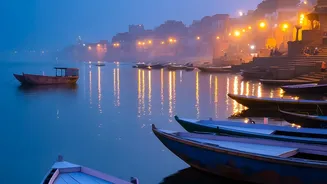
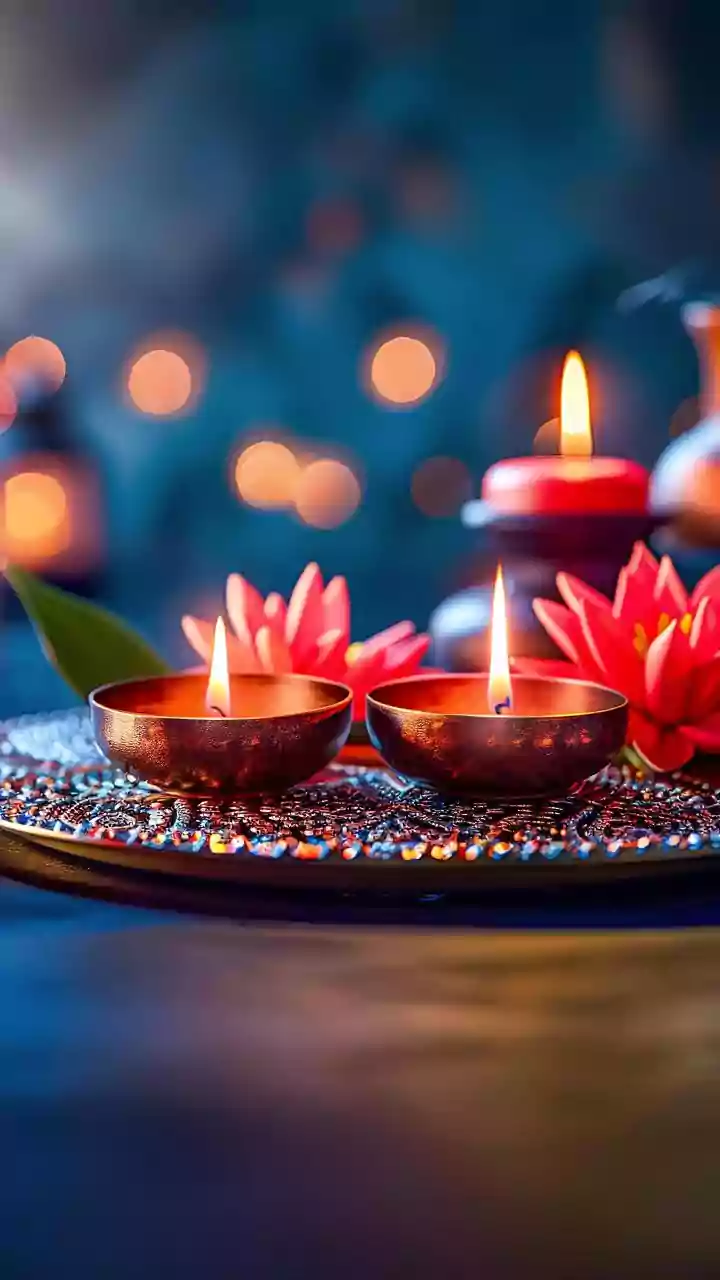
event of Ayodhya's Deepotsav is a breathtaking display of light. The 2026 celebration, scheduled for November 7, aims to be the grandest yet, marking the tenth edition of the state-organised festival. Organisers are preparing to light around 30 lakh diyas, or earthen lamps, along the ghats of the Saryu River, particularly at the famous Ram Ki Paidi. This massive effort, undertaken by tens of thousands of volunteers, seeks to surpass previous Guinness World Records for the largest display of oil lamps. In 2025, the city set a record with over 26 lakh diyas, and the ambition for 2026 is even higher. The lighting of the lamps is timed for dusk, creating a stunning visual as the entire riverfront begins to glow. This tradition commemorates Lord Ram's return to Ayodhya after 14 years of exile, a moment of homecoming celebrated as the triumph of light over darkness.
More Than Just Lamps
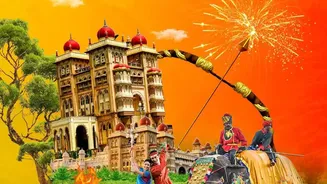
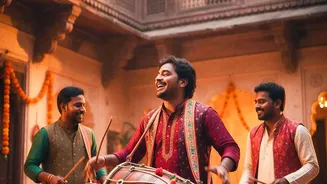
While the diyas are the main attraction, Deepotsav is a multi-day cultural extravaganza with events planned from November 6 to 8. The festivities include a grand procession, or Shobha Yatra, with tableaus depicting scenes from the Ramayana. The celebrations will also feature a spectacular drone show, with plans for over 2,000 drones to create aerial formations telling stories from the epic. Visitors can also expect Ramlila performances by both Indian and international troupes, laser shows, and traditional folk dances. A collective Saryu Aarti is another key ritual, with plans for over 2,100 priests and students to perform the ceremony simultaneously. To make the epic more accessible, Ramayana-themed visual installations and gateways will be set up along major routes, turning the entire city into an open-air gallery.
A City Transformed for Visitors
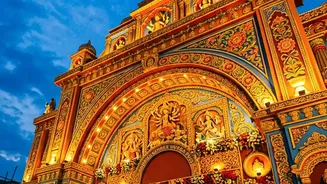
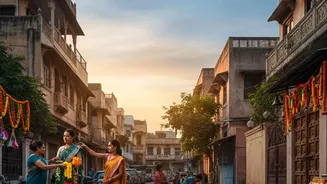
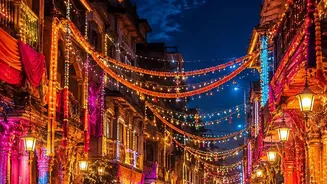
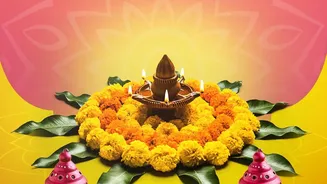
The Deepotsav festival has become a major driver for tourism in Ayodhya, attracting a massive influx of visitors. In anticipation of large crowds, the city undergoes extensive preparations. Decorative lighting will adorn major roads, intersections, and buildings, while key public spaces will feature elaborate floral arrangements. For the convenience of travellers, authorities install mobile toilets, water kiosks, and enhanced sanitation services to manage the crowds. The government is focused on ensuring the event is safe and comfortable for the lakhs of devotees and tourists who pour into the city. This focus on infrastructure and visitor experience reflects Ayodhya's growing status as a global pilgrimage and cultural destination.
Essential Tips for Travellers
If you plan to experience Deepotsav 2026, advance planning is crucial. The best time to visit Ayodhya for pleasant weather is between October and March, but be aware that the festival period is peak season. Booking accommodation well in advance is highly recommended, as hotels fill up quickly. On the main day, November 7, arrive at the ghats by late afternoon to secure a good viewing spot for the lamp lighting and aarti, as crowds intensify after sunset. For getting around, e_rickshaws are a convenient option for navigating the city's lanes. Remember to dress modestly, especially when visiting temples, and be prepared for security checks. Personal belongings like phones and wallets are often not allowed inside the main Ram Janmabhoomi complex, but locker facilities are available.