

The Call of the Wild: Tiger Safaris
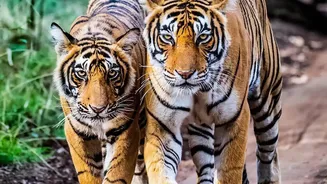
At the heart of India's wildlife appeal is the majestic Bengal tiger, and the nation's conservation efforts have been a resounding success. National parks in Madhya Pradesh, such as Bandhavgarh and Kanha, offer some of the highest tiger densities, providing
incredible opportunities for sightings. But it's not just about tigers; these parks are thriving ecosystems home to leopards, sloth bears, and hundreds of bird species. Further north, Rajasthan's Ranthambore National Park combines thrilling safaris with the stunning backdrop of a historic fort, creating a uniquely Indian experience where history and nature are intertwined. The focus on responsible tourism ensures that safari revenues contribute directly to conservation, protecting these magnificent animals for generations to come.
Echoes of Empires: The Golden Triangle and Beyond
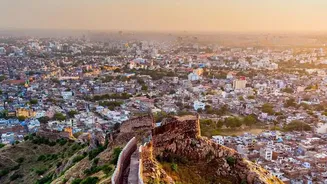
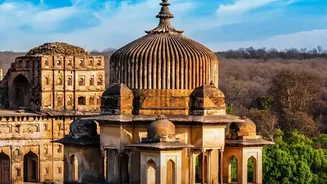
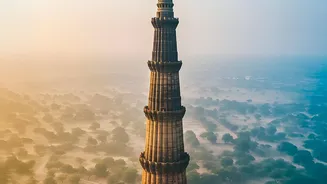
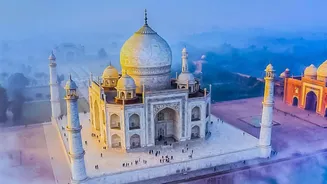
India's heritage is a journey through time, with UNESCO World Heritage Sites dotting the landscape. The classic Golden Triangle circuit, connecting Delhi, Agra, and Jaipur, remains a powerful introduction. In Delhi, Humayun's Tomb stands as a precursor to the Taj Mahal's grandeur. The Taj Mahal itself, a marble monument to love in Agra, continues to be one of the world's most iconic landmarks. Jaipur, the 'Pink City' and a World Heritage Site itself, enchants with its vibrant markets and majestic forts like Amber Palace. These sites are not just relics; they are living parts of India's cultural fabric, showcasing the architectural genius of Mughal and Rajput dynasties.
Rhinos and Rainforests: The Northeast Frontier
For those looking to venture off the beaten path, Northeast India offers a different kind of wild adventure. Assam's Kaziranga National Park, a UNESCO World Heritage Site, is a spectacular success story in conservation, home to the world's largest population of the one-horned rhinoceros. Jeep safaris across its vast grasslands and wetlands also reveal herds of elephants and wild water buffalo. The region's commitment to eco-tourism is growing, with community-led initiatives and eco-lodges offering sustainable ways to experience the unique biodiversity and culture of states like Sikkim, India's first fully organic state.
Ruins and Royals: Southern Heritage
Southern India tells its own epic stories through ancient ruins and rock-cut marvels. The Group of Monuments at Hampi in Karnataka, the former capital of the Vijayanagara Empire, is a breathtaking open-air museum of temples, palaces, and royal complexes scattered across a dramatic, boulder-strewn landscape. Further south, in Tamil Nadu, the Great Living Chola Temples and the shore temples of Mahabalipuram showcase the incredible artistry of the Pallava and Chola dynasties. These sites, combined with the region's distinct culinary traditions and laid-back pace, offer a deeply immersive cultural experience that contrasts beautifully with the monumental north.
The Rise of Conscious Travel
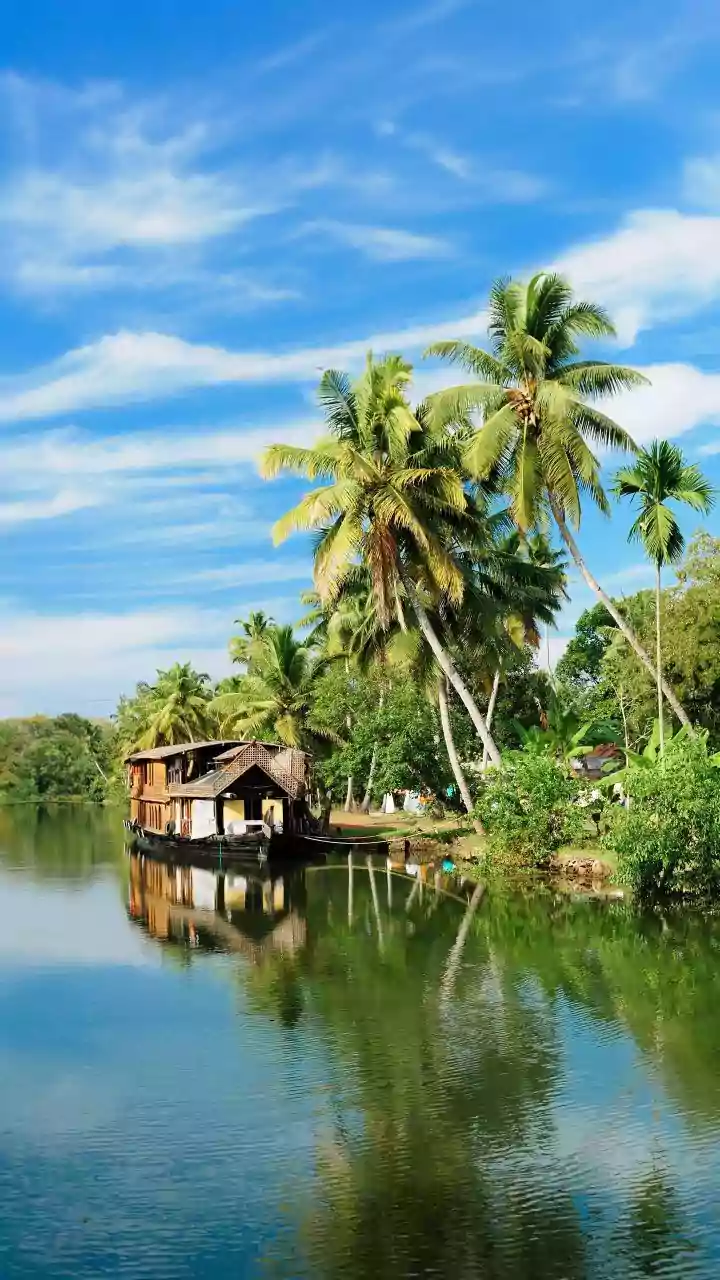
Driving India's appeal for 2027 is a significant shift towards more sustainable and meaningful travel. Travellers are increasingly seeking authentic experiences that support local communities and protect the environment. This has led to the rise of community-based tourism, particularly in states like Kerala, which has pioneered responsible tourism initiatives. Homestays in remote Himalayan villages, eco-lodges near national parks, and experiences that connect visitors with local artisans are becoming central to the Indian travel experience. This conscious approach ensures that tourism is not just about seeing, but about contributing positively to the places one visits.