





Beyond the Restaurant Menu
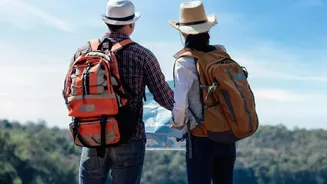
A culinary walking tour is much more than a mobile buffet; it is an immersive cultural education. Unlike a standard restaurant meal, which often presents a dish removed from its context, these tours plunge you directly into the environment where the food
is born. You might find yourself navigating the labyrinthine alleys of Old Delhi's Chandni Chowk or the bustling market lanes near Mumbai's Mohammed Ali Road, places that pulse with centuries of history. Guides lead you away from tourist traps and towards hidden gems: humble stalls, family-run eateries, and vendors who have perfected a single dish over generations. This approach moves beyond mere consumption, turning a food-tasting journey into a genuine exploration of a city’s heart and soul. It’s the difference between seeing a picture of a landmark and standing right in front of it.
A Multi-Sensory Experience
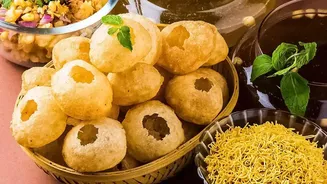
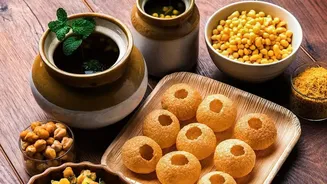
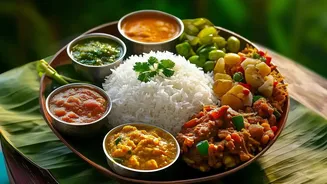
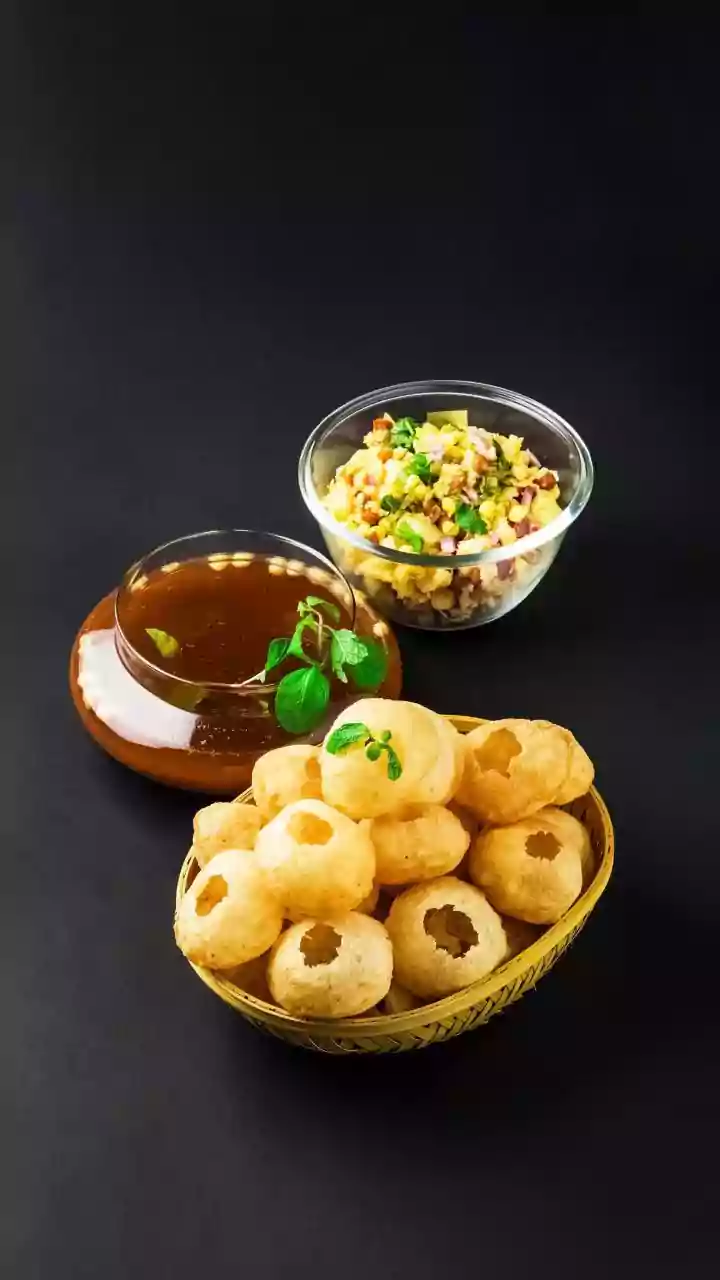
These tours are a feast for all the senses. Imagine the sizzle of batter hitting a hot griddle, the rhythmic clatter of a chef dicing vegetables, and the fragrant steam rising from a pot of biryani. You'll hear the lively chatter of local patrons and the passionate calls of vendors advertising their specialities. In Delhi, this could mean sampling Golgappas from a street cart or witnessing the creation of fresh shawarma. In Mumbai, it might involve trying Pav Bhaji at Chowpatty Beach or indulging in hand-churned fruit ice cream from a 120-year-old establishment. This sensory immersion makes the experience unforgettable, creating a powerful connection between the flavours you taste and the vibrant culture that produced them. It’s an authentic slice of daily life, served hot and fresh.
Every Dish Tells a Story
One of the most profound aspects of a culinary tour is the storytelling. Expert local guides don't just point you to the best food; they share the history and cultural significance behind each dish. You learn that Pav Bhaji was originally created as a quick, hearty meal for Mumbai's textile mill workers in the 1850s, or that Biryani's origins may trace back to Persian traders and Mughal soldiers. You might discover the Portuguese influence in Goan vindaloo or the survival-driven ingenuity behind Rajasthan's desert cuisine. These narratives transform a simple snack into a piece of living history. Understanding that a recipe has been passed down through generations in a family, or that a particular spice was once traded like gold, fosters a deep and lasting appreciation for the food on your plate.
Connecting with Local Communities
Food walking tours forge a direct and meaningful connection between travellers and local communities. By patronising small, independent vendors, you are directly supporting the local economy and helping to sustain family-run businesses. Many tour operators make a conscious effort to partner with vendors who might otherwise be overlooked by mainstream tourism, giving them a new platform and appreciating their craft. This interaction is a two-way street. Travellers get an authentic taste of the local food scene, while vendors gain recognition and a sustainable livelihood. Often, the guides themselves share personal anecdotes, making the experience feel less like a tour and more like being shown around a city by a knowledgeable friend. This human connection is often what travellers remember long after the flavours have faded.
Preserving Culinary Heritage
In a rapidly globalising world, hyper-local culinary traditions are at risk of being forgotten. Culinary walking tours play a crucial role in the preservation of this heritage. By creating economic value and generating interest in traditional dishes, these tours incentivise the continuation of age-old cooking methods and recipes. When a guide explains the unique properties of a GI-tagged spice or a dish that is only found in one specific neighbourhood, it elevates that food from a simple meal to a cultural artifact. This renewed focus helps ensure that regional culinary diversity is not just maintained but celebrated, safeguarding India's rich and varied food map for future generations to explore.