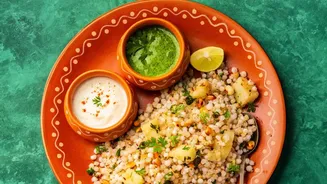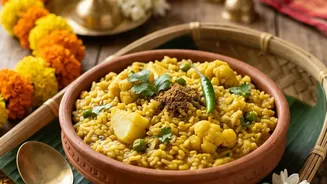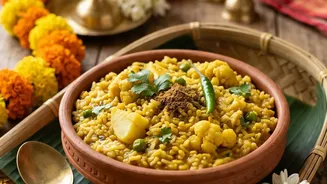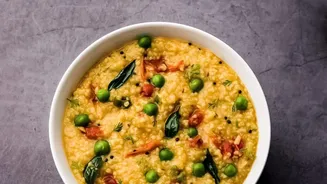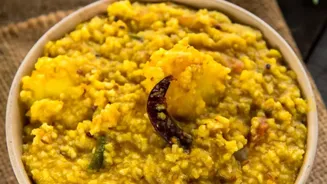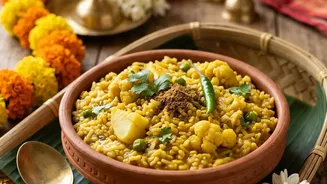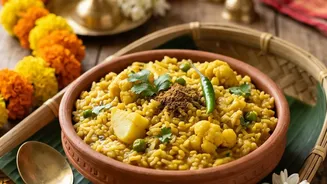



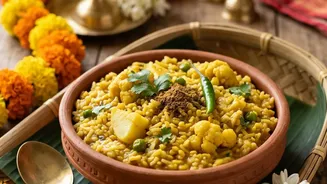
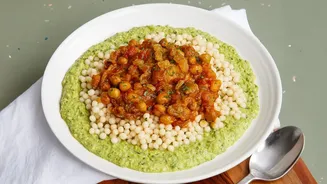
It’s a common kitchen puzzle: you start with a healthy ingredient, but how does its final nutritional value change in a dish? Let's explore this with a classic Indian example: dalia versus a comforting bowl of khichdi.
The Humble Hero: Understanding Dalia
Let's start with our base ingredient.
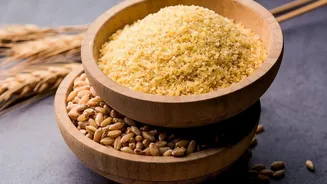
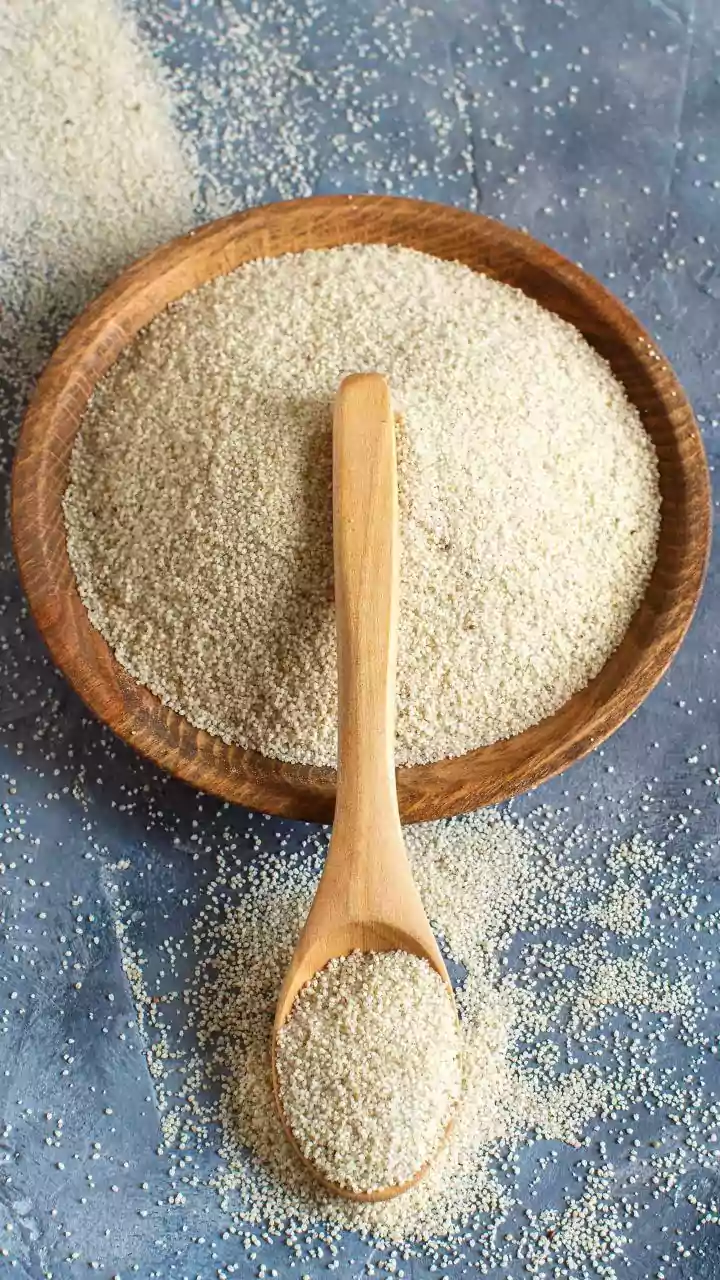
Dalia, or broken wheat, is a whole grain that's a staple in many Indian households. Because it's made by simply cracking whole wheat kernels, it retains its bran and germ, which are packed with nutrients. On its own, dalia is a nutritional powerhouse. A 100-gram serving of uncooked dalia offers roughly 12 grams of protein and an impressive 10 to 12 grams of dietary fibre. This high-fibre content is key to its benefits; it keeps you feeling full for longer, aids digestion, and supports weight management. Furthermore, it has a low glycemic index (GI), typically around 41, meaning it releases sugar into the bloodstream slowly, providing sustained energy without the sudden spikes and crashes associated with refined grains.
Cooking: Your Kitchen's Chemistry Lab
An ingredient's nutrition is never static. The moment you apply heat, add water, or mix it with other foods, you initiate a series of chemical reactions that alter its profile. Cooking can break down the tough cell walls of plants, making some nutrients more accessible for your body to absorb. For instance, cooking tomatoes increases the bioavailability of the antioxidant lycopene. However, cooking can also lead to the loss of certain nutrients. Water-soluble vitamins, like Vitamin C and B vitamins, can leach into cooking water, especially during boiling. The method and duration of cooking are crucial. While some cooking processes enhance nutritional value, overcooking can diminish it. This is where the simple dalia begins its transformation.
Enter Khichdi: The Power of Combination
Now, let’s turn that dalia into khichdi. The most fundamental change comes from adding dal (lentils). While dalia, a grain, has a good amount of protein, it's not a 'complete protein' on its own. This is because it is low in an essential amino acid called lysine. Lentils, on the other hand, are rich in lysine but low in another amino acid, methionine. When you combine dalia (or any grain like rice) with dal, their amino acid profiles complement each other perfectly. This combination creates a complete protein, providing all nine essential amino acids your body needs for functions like muscle repair and growth, all in one pot. This simple pairing is a cornerstone of vegetarian diets worldwide for this very reason.
More Than a Sum of Its Parts
A good khichdi is rarely just dalia and dal. We add vegetables like carrots, peas, and beans, which significantly boost the dish's vitamin, mineral, and additional fibre content. Spices like turmeric not only add flavour but also bring their own benefits, such as the anti-inflammatory properties of curcumin. These additions transform the meal from a simple grain dish into a nutritionally diverse and balanced one. The increased fibre from vegetables and protein from dal also works to lower the overall glycemic index of the meal compared to plain dalia. This means a bowl of vegetable dalia khichdi will release energy even more slowly, making it incredibly effective for blood sugar control and sustained satiety.
The Finishing Touch : Why Ghee Matters
That final spoonful of ghee drizzled over hot khichdi isn't just for flavour ; it serves a nutritional purpose . Ghee is a source of healthy fat , which is essential for absorbing fat - soluble vitamins — namely vitamins A , D , E , and K . Many vegetables added to khichdi , like carrots (rich in beta - carotene , which converts to Vitamin A) , need fat to be properly absorbed by the body . So , a touch of ghee helps you unlock more of the nutritional potential of the vegetables in your meal . While it does add calories , a small amount enhances both taste and nutrient absorption , making the meal more holistic .