



The Challenge of Peak Season Booking
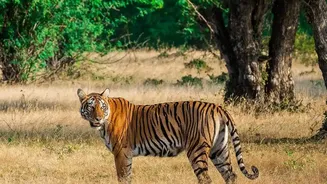
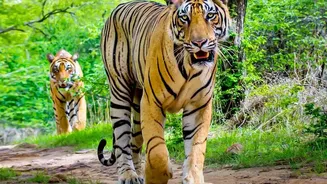
November marks the beginning of the peak tourist season for most national parks in India, which reopen in October after the monsoons. The weather is pleasant, and the forests are vibrant, leading to a massive rush for safari permits. Parks like Ranthambore,
Jim Corbett, Kanha, and Bandhavgarh have a limited number of vehicles allowed in each safari zone (morning and afternoon) to minimize disturbance to wildlife. This scarcity means that for popular November dates and holiday weekends, permits on the official government portals can sell out within minutes of being released. Success depends almost entirely on preparation and speed.
Know the Booking Window
The golden rule of safari booking is to act early. Most state forest departments release permits well in advance. For parks in Madhya Pradesh (like Kanha and Bandhavgarh), the booking window opens 120 days ahead. For Ranthambore in Rajasthan and Corbett in Uttarakhand, it's typically around 90 days in advance. Since today is October 22, 2026, the booking window for the entire month of November has already opened. While permits for the most sought-after dates are likely gone, you may still find availability for late November or for less-crowded buffer zones, which can also offer excellent sightings.
One Country, Many Portals
There isn't a single, unified website for booking all safaris in India. Each state manages its own system. For example, Rajasthan uses its Single Sign-On (SSO) portal for Ranthambore bookings. Madhya Pradesh has a dedicated forest department portal for all its tiger reserves, including Pench, Satpura, and Kanha. Similarly, Uttarakhand has its own booking site for Jim Corbett National Park. Before you even think about booking, your first step is to identify the correct, official government website for the park you wish to visit. Be wary of private tour operator sites that mimic official portals; while they offer convenience, they come at a higher cost.
Gather Your Documents and Details
The booking process is time-sensitive, so have all your information ready beforehand. You will need to provide the full name, age, and gender of every single visitor. Crucially, you must also provide a valid government-issued photo ID number for each person. Acceptable IDs for Indian nationals typically include an Aadhaar Card, Passport, Voter ID, or Driving License. For foreign nationals, a passport is mandatory, and the passport number must be entered. Ensure the details you enter on the portal match the ID exactly, as this will be physically verified at the park gate. Any discrepancy can lead to your permit being rejected without a refund.
The Booking Day Checklist
On the day you plan to book, be logged into the portal before the booking window opens (often at a specific time like 10 or 11 AM IST). Have all visitor details typed out in a separate document to copy and paste quickly. Decide in advance on your preferred date, safari time (morning or afternoon), and vehicle type. Most parks offer a smaller, six-seater Jeep (Gypsy) and a larger, 20-seater Canter (open bus). Jeeps offer a more intimate experience but are more expensive and sell out faster. Canters are more budget-friendly and can be easier to book. During payment, use a reliable internet connection and a payment method that you know works well with government portals. Payment gateway failures are a common reason for failed bookings.
What If You Miss Out?
If you find that advance booking permits are sold out, don't lose hope entirely. Some parks, like Ranthambore, offer a 'current booking' or last-minute quota, where a small number of permits are released one day before the safari. This is a gamble and often requires being physically present at a booking counter. Another option is to book with a reputable hotel or a registered private tour operator. They often block permits in advance for their clients. While this service comes at a premium, it can be a reliable way to secure a safari if your attempts at the official portal fail.