




A Muted Monsoon Forecast
The IMD has predicted that rainfall for August and September is likely to be below normal, specifically less than 94% of the Long Period Average (LPA). This forecast comes after a season of contrasts: a deficit in June was followed by a recovery with
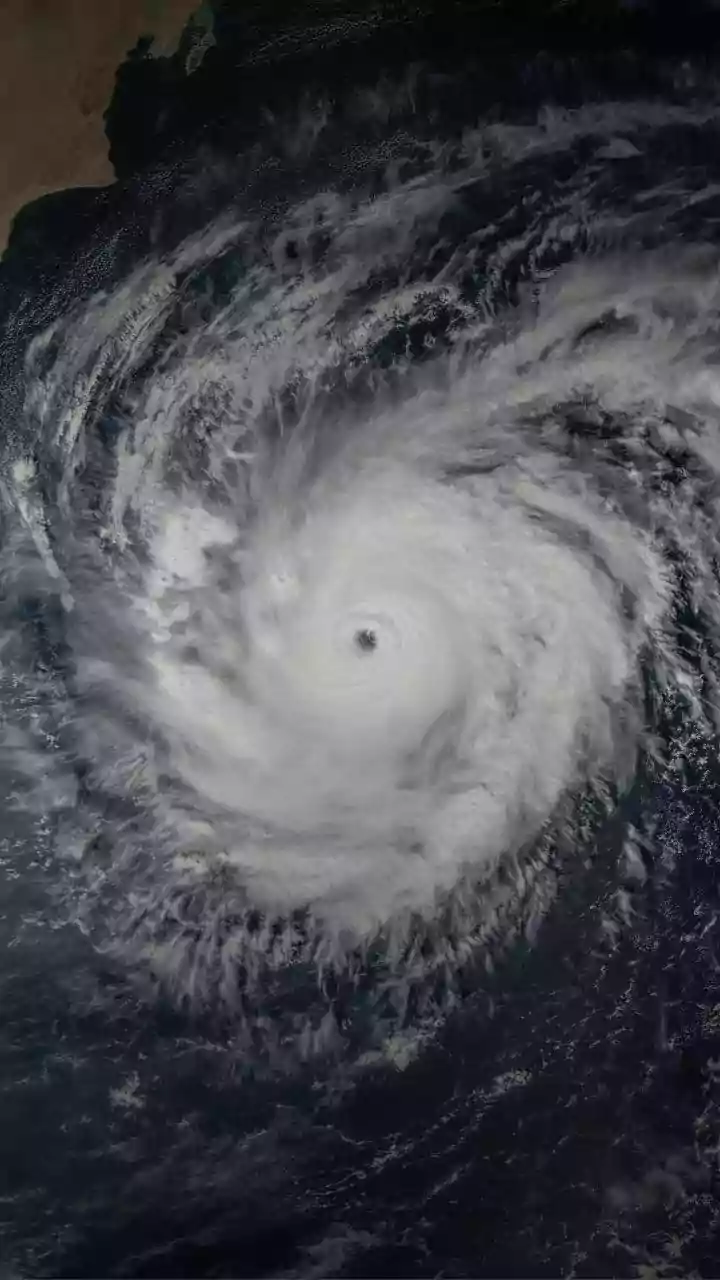
heavy rains in parts of the country during July. The projection for a weaker second half is largely attributed to the strengthening of El Niño conditions in the equatorial Pacific, a phenomenon often linked to suppressed monsoon rainfall in India. This means the country cannot bank on bountiful rains to carry it through the coming months, shifting the focus decisively towards management of existing resources.
The Reservoir as a National Buffer
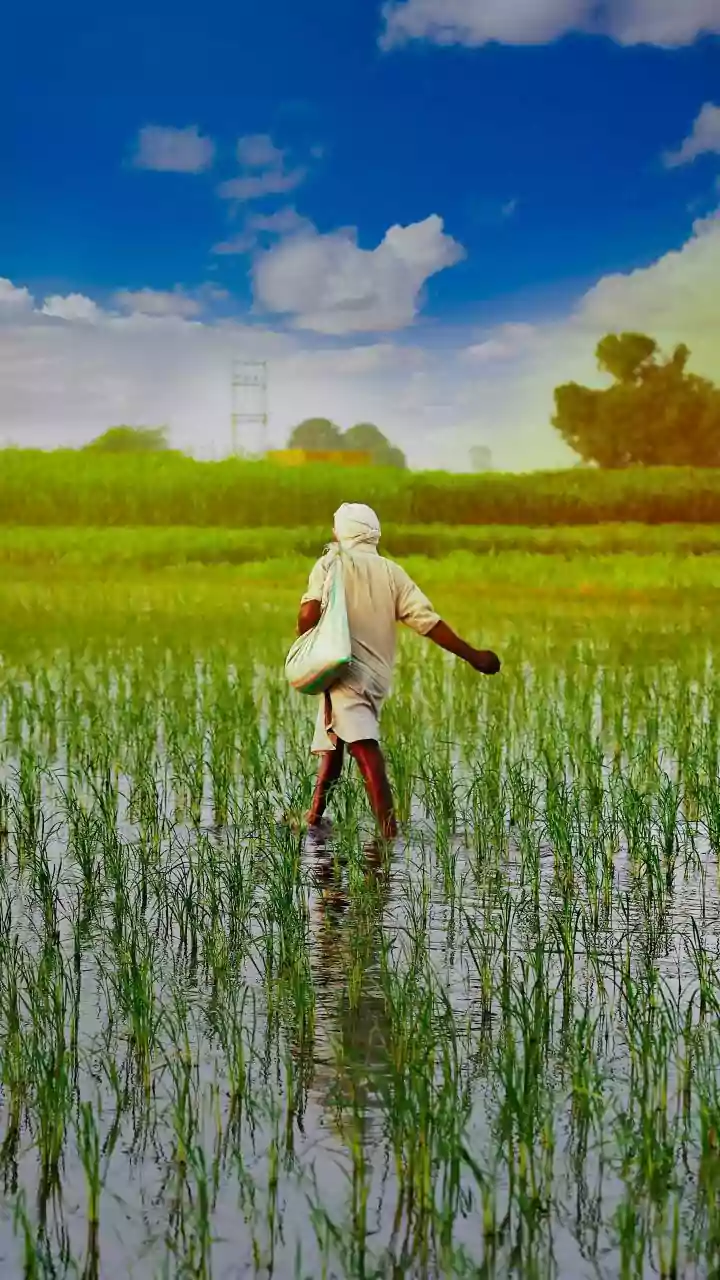
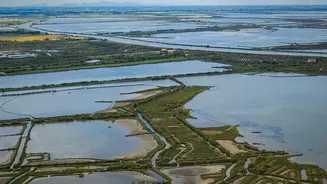
This is where India's network of reservoirs becomes the protagonist of our national water story. These massive structures are designed to capture runoff during the intense rainfall months of June and July. Their purpose is to act as a buffer, storing water that can be used for irrigation, drinking, and power generation long after the monsoon has passed. With a forecast for diminished rainfall, the water already stored in these dams is no longer just a backup; it becomes the primary source of security for the post-monsoon period, particularly for the critical rabi crop season which relies heavily on irrigation from stored water.
A Tale of Uneven Storage
While July's rains helped improve the situation after a dry June, the national picture of water storage is uneven. As of late July, total storage in India's major reservoirs was reported to be around 44% of total capacity. This headline number, however, masks significant regional disparities. The southern region, for instance, has been facing critical stress with storage levels at only about 34% of capacity, a stark drop from the previous year. In contrast, some areas in the west have healthier levels. This patchiness is why a single national rainfall number can be misleading. A farmer in a water-stressed part of Karnataka is less concerned with the national average and far more interested in the level of the local dam that feeds their canals.
Why Local Levels Matter More Than Ever
The IMD's forecast underscores a crucial lesson in water management: self-sufficiency hinges on local storage. A district with a full reservoir can withstand a period of deficient rainfall far better than one with a depleted dam, regardless of what happens elsewhere. Healthy reservoir levels ensure a stable supply of drinking water to cities and towns, preventing the need for rationing. They provide the electricity that powers homes and industries via hydropower. For the agricultural sector, they are the difference between a successful winter crop and a season of distress, directly impacting food prices and the rural economy. For example, even as some parts of Kerala experienced flooding, reservoir levels in the area remained at manageable levels like 35-45%, which helps prevent further catastrophe downstream. Conversely, low reservoir levels in states like Telangana and West Bengal have been a cause for concern.
Looking Beyond the Clouds
The monsoon will always be a subject of national obsession, driving conversations from farm gates to boardrooms. But the 2026 season is a powerful reminder that our focus must be twofold. While we track the progress of rain-bearing clouds, the more telling metric for our preparedness is the quiet, steady level of water in our reservoirs. They represent our collective foresight and our ability to save for a less rainy day. The forecast for August and September is a clear signal that those days are upon us, making prudent management and conservation of this stored wealth more important than ever.