



The Office Is No Longer a Place
The single biggest catalyst for this travel revolution has been the widespread adoption of remote and hybrid work models. What began as a public health necessity has evolved into a permanent feature of India's corporate landscape, especially in the technology
and creative sectors. This newfound freedom from the daily commute and rigid office hours means employees are no longer bound to a single city. The tether to a physical office has been cut, allowing professionals to ask a question that was previously unthinkable: if I can work from anywhere, where do I want to be today? This has led to a migration away from crowded metro cities, not for a holiday, but for a new way of living and working.
From Vacation to 'Workation'
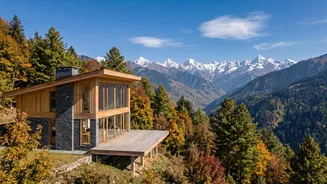
This has given rise to the 'workation'—a portmanteau of 'work' and 'vacation' that perfectly captures the new trend. Unlike a traditional holiday where work is left behind, a workation involves travelling to a desirable location and continuing to work remotely. Professionals can put in a full day's work from a homestay in the Himalayas or a beachside café in Goa, and then spend their evenings and weekends exploring the local area. This approach helps combat urban burnout and allows for a better work-life balance without sacrificing productivity or annual leave. According to a survey by FICCI and Thrillophilia, a third of Indian travellers now prefer working from a natural setting, showing just how mainstream this concept has become.
The 'Bleisure' Boom
A related trend is the explosion of 'bleisure' travel, where professionals extend business trips for leisure. India is leading this charge in the Asia-Pacific region, with a staggering 77% of business travellers now adding personal vacation time to their work trips. On average, Indians take about 7.4 bleisure trips annually, surpassing the global average. This often involves working in a major city for a few days and then taking an extra two to three days, or even a week, to explore the region, sometimes with family. The majority prefer to stay in the same hotel for both the business and leisure portions, simplifying logistics and blending work with relaxation seamlessly.
New Destinations on the Map
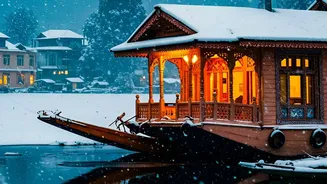
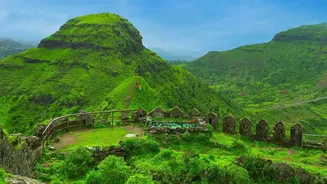
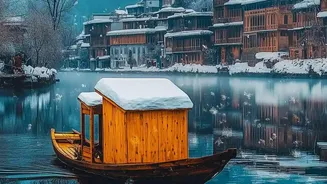
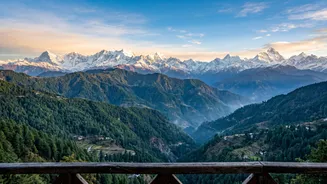
Flexible work is not just changing how people travel, but also where they go. With the ability to stay longer, travellers are venturing beyond the usual tourist hotspots. The mountains of Himachal Pradesh and Uttarakhand, the serene backwaters of Kerala, and the coastal towns of Goa have become hubs for remote workers. These locations offer a lower cost of living, a slower pace of life, and inspiring scenery. The trend has even led to innovative concepts like India's first 'digital nomad village' in Yakten, Sikkim, which offers homestays specifically equipped for remote professionals. This allows for deeper cultural immersion, moving past a checklist-driven itinerary to a more lived-in experience.
How the Travel Industry Is Responding
The hospitality industry has been quick to adapt to this new breed of traveller. Hotels, resorts, and homestays are now actively catering to digital nomads and workationers. Key offerings include high-speed Wi-Fi, power backup, dedicated workspaces, and, crucially, long-stay packages with significant discounts. Major hotel chains like Marriott offer extended-stay properties with amenities like kitchens and laundry facilities, creating a home-away-from-home feel. Meanwhile, a host of startups and boutique properties now offer 'workation packages' that bundle accommodation with all the necessary work infrastructure, making it easier than ever to pack a laptop and go.