






The Science of Natural Cooling
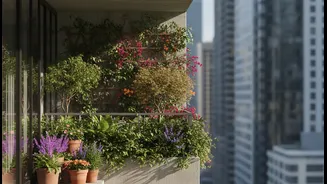
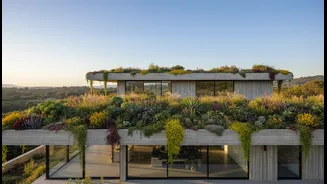
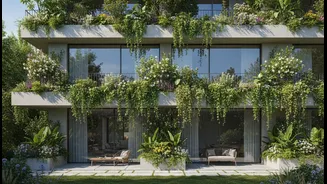
A bare concrete roof absorbs solar radiation all day, turning into a giant heat battery that warms your home well into the night. A layer of greenery completely changes this dynamic through two powerful natural processes: shading and evapotranspiration.
Firstly, the foliage provides direct shade, preventing sunlight from ever reaching and heating the roof surface. Secondly, and more impressively, plants actively cool the surrounding air through evapotranspiration. In this process, plants draw water from the soil and release it as cool water vapour through their leaves, acting like a natural misting system. Studies have shown that a green roof's surface can be significantly cooler than a conventional roof, and this effect can reduce the need for air conditioning.
Beyond the Thermostat: Added Benefits
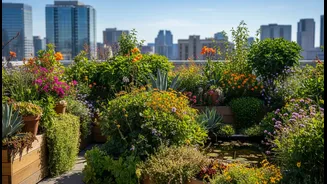
The advantages of a terrace garden extend far beyond just cooling. These green spaces act as natural air purifiers, filtering pollutants and capturing dust, which is a significant benefit in urban environments. They also create mini-ecosystems, attracting birds, bees, and butterflies, thereby supporting local biodiversity. Furthermore, a green roof acts like a sponge during heavy rains, absorbing a significant amount of water and reducing stormwater runoff, which can help prevent localised flooding. There's also a proven positive impact on mental well-being; the simple act of gardening and being around nature can reduce stress and anxiety. Finally, a well-maintained terrace garden can even increase the lifespan of your roof by protecting the underlying membrane from harsh UV radiation.
Getting Your Terrace Garden Started
Before you start hauling pots and soil, a few practical considerations are essential. First, ensure your roof is properly waterproofed to prevent any leaks. Second, be mindful of the structural load-bearing capacity of your terrace. Opt for lightweight pots and a soil mix that includes materials like cocopeat to reduce overall weight. A good starting mix for Indian conditions is often a blend of cocopeat, vermicompost, garden soil, and a small amount of sand or perlite for drainage. Proper drainage in your containers is non-negotiable to prevent waterlogging and root rot. Finally, consider your local climate and the amount of direct sunlight your terrace receives when selecting plants.
The Best Cooling Plants for Indian Climates
For the maximum cooling effect, choose plants with dense foliage and high transpiration rates. Creepers and climbers are excellent for creating a shaded canopy. The Betel Leaf plant, for instance, grows fast and its broad leaves provide great cover. Bougainvillea is another hardy choice that thrives in intense heat and provides vibrant colour. For potted plants, consider those that release plenty of moisture. Areca Palms are known for their high transpiration rates, and ferns also contribute to a cooler, more humid microclimate. Even dwarf varieties of trees like Neem and Mango can be grown in large containers, offering significant shade and cooling. Herbs like Tulsi (Holy Basil) and Lemongrass not only handle the heat well but also act as natural mosquito repellents.
A Smart and Sustainable Investment
While setting up a terrace garden involves an initial investment in pots, soil, and plants, the long-term returns are substantial. By naturally insulating and cooling your home, a green roof can lead to significant savings on your energy bills by reducing the workload on your air conditioners. Some studies suggest green roofs can dramatically lower air-conditioning demand. When you also factor in the benefits of improved air quality, enhanced biodiversity, and the simple joy of having a green sanctuary, a terrace garden proves to be a wise and rewarding investment for any urban home.