



A Push from the Cities
For many urban Indians, the stars have become a myth. The relentless glare of streetlights, buildings, and advertising billboards creates a dome of light pollution that renders the celestial world invisible. This disconnect is a key driver behind the rise
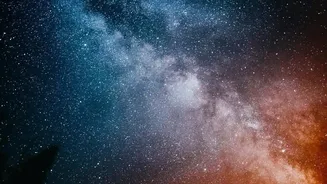
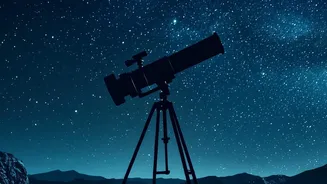
of 'astro-tourism'. It is a reaction to an environment where the Milky Way is something seen only in pictures. The desire to witness a sky dense with stars is not just a casual interest; for many, it is about reclaiming a lost piece of the natural world. This travel trend represents a collective yearning for silence, darkness, and the perspective that only a truly dark sky can offer.
The Pull of the Cosmos
The motivations for these journeys run deeper than simply escaping city lights. Stargazing offers a powerful sense of awe and perspective. Studies and anecdotal evidence suggest that connecting with the night sky can enhance well-being, reduce stress, and foster a sense of mindfulness. In a fast-paced world, the simple act of looking up at a vast, star-filled expanse can be a deeply meditative experience, reminding us of our place in the universe. This search for celestial encounters is as much a philosophical quest as it is a holiday, driven by a desire for wonder and a connection to something larger than oneself.
Why Winter is Prime Time
Winter is the undisputed high season for stargazing in India for several practical reasons. The period from October to March generally brings clearer, more stable skies across much of the country. The post-monsoon months, in particular, benefit from air that has been washed clean of dust and pollutants, offering exceptional transparency. While the brilliant summer arm of the Milky Way is less visible, winter skies are famously crisp and sharp, filled with bright constellations like Orion and the Pleiades star cluster, which are easily visible to the naked eye. The cold, dry air minimizes atmospheric turbulence, making for what astronomers call excellent 'seeing' conditions.
India’s Off-Beat Dark-Sky Havens
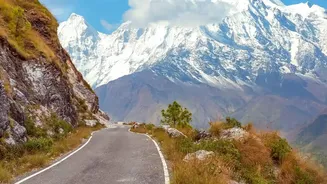
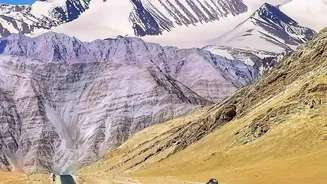
The quest for dark skies is leading travellers far from the usual tourist circuits. Topping the list is Hanle in Ladakh, home to India's first-ever designated Dark Sky Reserve. Situated at a high altitude within the Changthang Wildlife Sanctuary, its remote location and dry conditions offer some of the best stargazing opportunities on the planet. Other Himalayan destinations like Spiti Valley and villages in Uttarakhand also provide pristine, light-free skies. But the options are not limited to the mountains. The salt flats of the Rann of Kutch in Gujarat, the deserts around Jaisalmer in Rajasthan, and even secluded spots in Coorg and the Andaman Islands are emerging as sought-after destinations for celestial observation.
More Than Just a Telescope
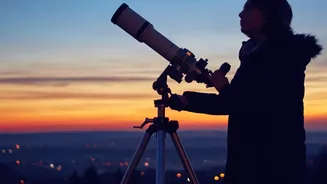
This emerging travel trend is about the entire experience, not just the astronomical sights. Journeys to places like Hanle often involve staying in local homestays, where villagers trained as 'Astronomy Ambassadors' guide visitors through the cosmos, creating a sustainable tourism model that benefits the community directly. The experience is holistic, blending the adventure of reaching a remote destination with the quiet contemplation of the night sky. It is about huddling around a campfire under a canopy of stars, sharing stories, and fostering a sense of community with fellow travellers who have also made the pilgrimage in search of darkness.