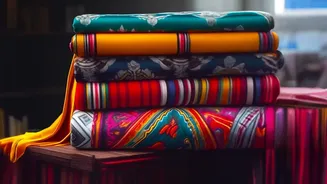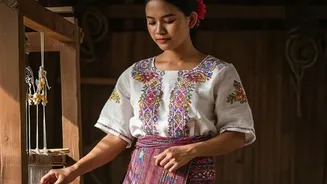

A pair of sneakers with Kantha embroidery, a leather tote featuring Phulkari flowers. This is more than a trend; it's a movement. Traditional Indian craftsmanship is being woven into modern fashion, creating pieces that tell a powerful story.
A Bridge Between Heritage and High Fashion
For centuries,
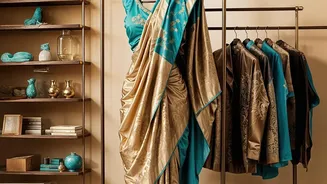
Indian artisanship has been the backbone of its cultural identity, with techniques like Zardozi, Chikankari, and Kantha passed down through generations. Today, this rich heritage is stepping out of the history books and onto the global runway. A new wave of designers and brands is collaborating directly with artisan communities to integrate these timeless motifs into modern fashion goods, especially footwear. This isn't just about borrowing a pattern; it's a deep-seated movement towards authenticity, sustainability, and fashion with a soul. Consumers are increasingly seeking products with a story, moving away from mass-produced items towards those with traceable origins and a human touch. This shift allows ancient crafts to find new relevance, ensuring their survival in a market often dominated by fast fashion.
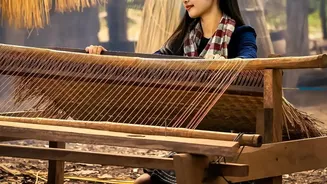
From Village Looms to Urban Streets
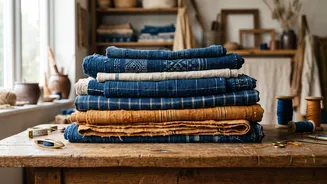
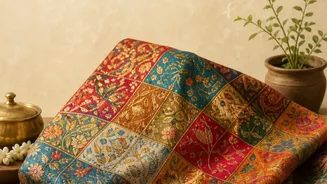
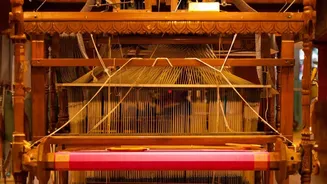
The transformation of traditional motifs for a modern wardrobe is a masterclass in creative adaptation. Take Phulkari, the vibrant floral embroidery from Punjab, once primarily seen on dupattas. Today, its bold, geometric flowers adorn everything from laptop sleeves and bags to the side panels of a sneaker. Similarly, Kantha, a running stitch from Bengal traditionally used to quilt old saris, now adds a textured, narrative layer to leather brogues and sneakers. Chikankari, the delicate white-on-white embroidery from Lucknow, is no longer confined to kurtas; it's now being incorporated into Western-style dresses and tops, often with bolder, more contemporary colour palettes. The key is restraint and respect—translating the essence of the craft without turning it into a costume piece. The result is footwear and accessories that are both culturally rooted and perfectly suited for a modern, global lifestyle.
An Ethical Partnership
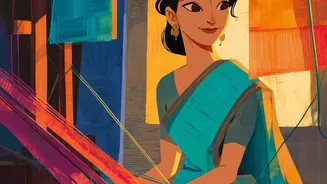
This reimagining of artisanal crafts is most successful when it's built on ethical and collaborative foundations. The trend is driving a vital economic lifeline to artisan communities across India. By partnering directly with craft clusters in regions like Kutch, Bengal, and Uttar Pradesh, designers ensure that artisans receive fair wages and global recognition for their skills. This approach fosters transparency and helps preserve not just the techniques but also the livelihoods of the people who are the custodians of these arts. Some brands even include labels that name the specific artisan who crafted the item, creating a direct connection between the maker and the consumer. This stands in stark contrast to the often anonymous and exploitative nature of global fast-fashion supply chains, offering a more sustainable and equitable model for the future of fashion.
Wearing a Piece of History
The rise of artisan-made footwear and accessories reflects a deeper desire for connection and meaning in what we wear. A pair of Kolhapuri chappals, updated with a modern silhouette, or a pair of juttis featuring intricate Tilla metalwork, are more than just shoes; they are wearable art. They carry the stories of their region, the skill of their maker, and a legacy of cultural heritage. This movement allows consumers to express personal style while supporting cultural preservation and ethical production. As brands both in India and internationally continue to embrace this fusion, they prove that the most compelling fashion trends are often those that look to the past to innovate for the future, blending timeless craftsmanship with contemporary design to create something truly special.