





Viral beauty hacks can be tempting, offering simple solutions to complex skin concerns. The latest trend making the rounds is DIY 'retinol' ice cubes. But do they deliver the age-defying benefits of real retinol or just leave you in the cold?
The Viral Hack: What Are Retinol Ice Cubes?
Scroll through
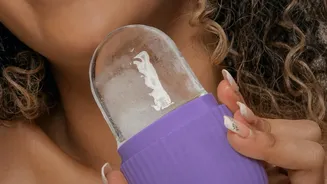
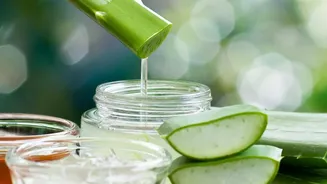
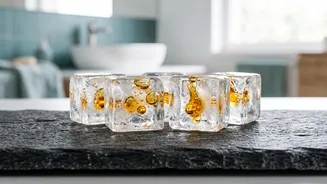
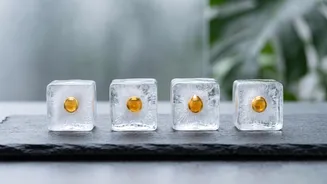
social media, and you might see influencers rubbing colorful ice cubes on their faces, promising glowing, youthful skin. These so-called 'retinol' ice cubes are typically made by freezing a concoction of ingredients believed to be rich in Vitamin A, like cucumber and potato juice, mixed with aloe vera and Vitamin E oil. The idea is to combine the de-puffing, circulation-boosting effects of cold therapy with the anti-ageing power of retinol. The immediate, temporary tightening and reduced puffiness from the cold can be mistaken for a long-term skincare benefit, making the hack seem effective at first glance.
The Cold, Hard Truth: Science Behind the Trend
Here's where the DIY trend melts under scrutiny. True retinol is a highly effective, but notoriously unstable, molecule. Its effectiveness depends on a precise chemical formulation that keeps it stable and allows it to penetrate the skin. Simply mixing household ingredients or even a few drops of a commercial retinol serum into water and freezing it disrupts this delicate balance. Extreme temperatures, including freezing, can destabilize and degrade the retinol molecule, rendering it ineffective before it even touches your skin. What users are likely experiencing is the temporary effect of vasoconstriction—the narrowing of blood vessels from the cold—which can make skin appear less puffy and pores smaller for a short time. This is a temporary physical reaction to cold, not the result of active retinol working on a cellular level.
The Risk Factor: More Harm Than Good
Beyond being ineffective, DIY retinol ice cubes can be actively harmful. Applying ice directly to the skin can cause redness, irritation, and even ice burns or frostbite if held in one place for too long. Furthermore, homemade concoctions lack the preservatives used in commercial skincare. This creates a breeding ground for bacteria in your ice tray, which you then rub all over your face, potentially leading to breakouts and infections. Some online recipes also include ingredients like lemon juice, which is highly acidic and can disrupt your skin's pH balance, causing irritation and increasing sun sensitivity.
The Real Deal: How Actual Retinol Skincare Works
Professionally formulated retinol products are in a completely different league. They are the result of extensive scientific research and development. Cosmetic chemists use specific delivery systems, stabilizing ingredients, and controlled concentrations to ensure the retinol remains potent and can effectively penetrate the skin. Once absorbed, retinol works by accelerating skin cell turnover and stimulating collagen production. This process helps to reduce the appearance of fine lines, wrinkles, and hyperpigmentation, while also unclogging pores to treat acne. These are clinically proven benefits that a frozen cube of cucumber juice simply cannot replicate.
Using Retinol The Right Way
To get the real benefits of retinol, it’s crucial to use a properly formulated product correctly. Dermatologists recommend starting with a low concentration (around 0.25% or 0.3%) and using it only two to three times per week at night to build your skin's tolerance. Because retinol can make your skin more sensitive to the sun, wearing a broad-spectrum sunscreen with at least SPF 30 every day is nonstegotiable. Always apply retinol to a clean, dry face, and you can follow up with a moisturizer to buffer any potential dryness or irritation. When in doubt, a patch test can help you see how your skin reacts before full application.