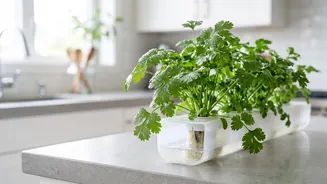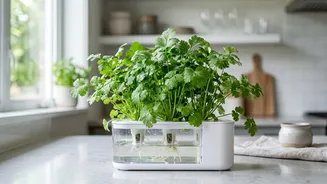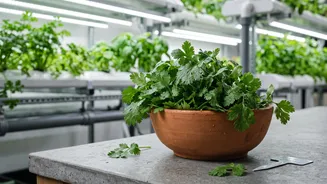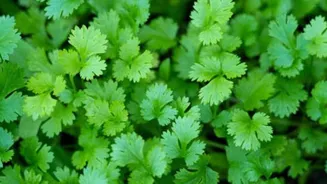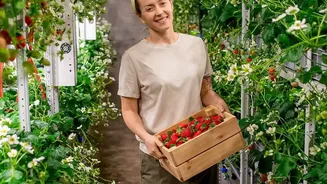


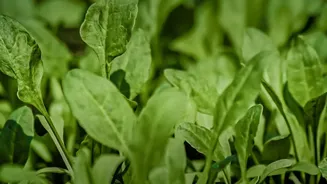
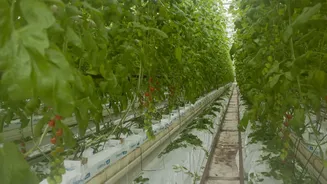
Imagine a fresh, year-round supply of coriander, free from soil-borne pests and the mess of traditional gardening. Growing this fragrant herb hydroponically makes it possible, but success hinges on creating a perfectly controlled indoor environment.
Why Go Soil-Free?
Growing
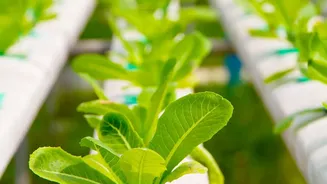
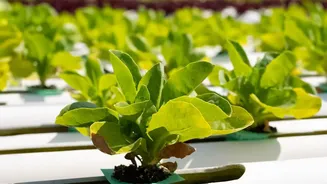
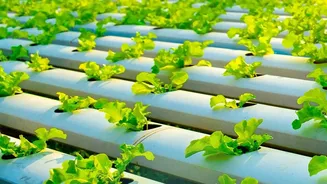
coriander without soil, typically using a hydroponic system, offers several advantages for the home gardener. It allows for year-round cultivation, sidestepping the outdoor weather conditions that can cause the plant to 'bolt' or flower prematurely. This method is also cleaner, eliminates soil-based pests, and can lead to faster growth. By providing nutrients directly to the roots in a water solution, you create a highly efficient environment. Systems like Deep Water Culture (DWC) or the Nutrient Film Technique (NFT) are popular choices, even for beginners, and can be set up in a relatively small space.
Mastering the Temperature
Coriander is notoriously sensitive to heat, which is the primary trigger for bolting—a process where the plant shifts from producing flavorful leaves to bitter-tasting flowers and seeds. For optimal leaf production, the ideal air temperature is a cool 15°C to 22°C. While the plant can tolerate temperatures up to about 27°C, anything higher can stress it, reduce growth, and ruin the taste. Maintaining a consistent, cool environment is arguably the most critical factor in a successful hydroponic setup. This means keeping your grow area away from direct, intense sunlight and ensuring your lights don't generate excessive heat.
The Humidity Sweet Spot
Just as important as temperature is humidity. The ideal range for hydroponic coriander is between 50% and 70%. This level of moisture in the air helps the plant thrive and can also help prevent issues like powdery mildew, a fungal disease that appears as a white dusting on the leaves. Good air circulation is key to managing humidity and preventing problems. A small fan can keep air moving around the plants, which helps to avoid pockets of stagnant, humid air where fungal diseases can take hold. Monitoring humidity with a simple hygrometer will allow you to make adjustments and keep your plants healthy.
Light and Nutrients Are Key
Beyond temperature and humidity, your coriander will need a balanced 'diet' of light and nutrients. The plants require about 12 to 16 hours of light per day. LED grow lights are an excellent choice as they provide the necessary light spectrum without producing too much heat. The nutrient solution is the plant's food source. It's crucial to maintain the pH of the water between 5.5 and 6.5. If the pH is outside this range, the plant can't absorb the nutrients, even if they're present in the water. The electrical conductivity (EC), which measures nutrient strength, should be kept between 1.2 and 1.8 mS/cm, as coriander is a relatively light feeder.
Avoiding Common Pitfalls
Several common issues can derail a hydroponic coriander project. Root rot is a major concern, often caused by low oxygen levels and warm water in the nutrient reservoir. Ensuring the water is aerated with an air pump and kept cool (ideally below 22°C) can prevent this. Algae can also become a problem if light reaches the nutrient solution; using an opaque, dark-coloured container will prevent its growth. Finally, avoid overcrowding your plants. Sowing too many seeds in a small space forces them to compete for resources, resulting in weak, spindly growth. Thinning seedlings to allow the strongest ones to flourish will produce a much healthier and more productive harvest.