



The Zero-Gravity Advantage
On Earth, gravity is a constant, influencing everything from how fluids mix to how crystals form. It causes denser particles to settle, drives convection currents, and masks subtle physical processes. In the microgravity environment of space, these effects
are nearly eliminated. This allows scientists to observe the fundamental behaviour of materials and biological systems in a way that is impossible on the ground. For researchers in fields like pharmaceuticals, materials science, and biotechnology, this provides a powerful tool. By removing gravity from the equation, they can study processes with higher precision, potentially leading to the creation of superior products and manufacturing techniques.
From Lab in Orbit to Life on Earth
The translation of orbital research into terrestrial applications is already underway. In pharmaceuticals, microgravity allows protein crystals to grow larger and more uniformly, which helps scientists design better-targeted drugs to treat diseases like cancer. One study of mice in orbit led to insights that supported the development of Prolia, a drug now used to treat osteoporosis on Earth. In materials science, researchers have used the space environment to create higher-quality semiconductor crystals and stronger, lighter metal alloys. Other notable spin-offs from space station research include advanced water purification systems now used in disaster relief and improved imaging sensors that trace their lineage back to NASA technology. Even consumer products giant Procter & Gamble has used the ISS to study colloids, aiming to improve items like shampoo.
The Challenge of Scientific Proof
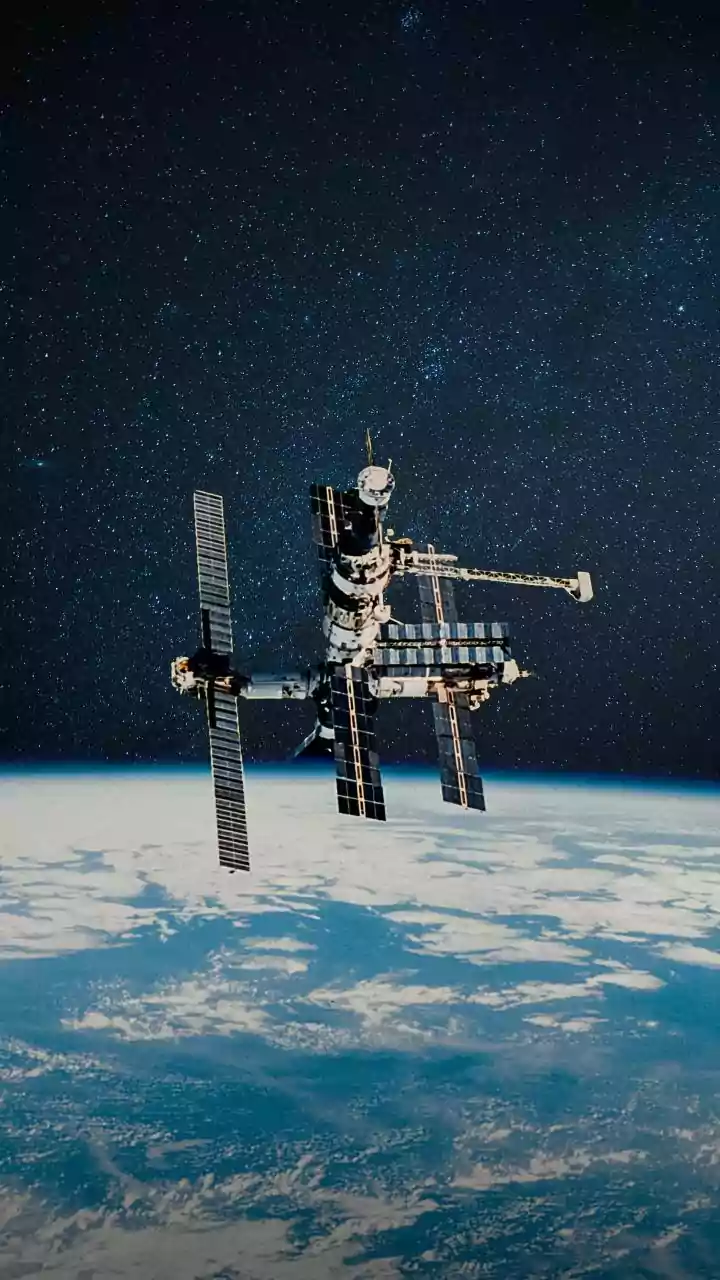
Despite these successes, conducting research in space is extraordinarily challenging and expensive. Getting an experiment to the International Space Station can take years of planning and cost millions of dollars. Astronaut time is a scarce and precious resource, meaning many experiments must be designed to run autonomously or with minimal intervention. These constraints can make it difficult to conduct the kind of large-scale, repetitive experiments that are the bedrock of rigorous scientific validation. Furthermore, the environment itself presents difficulties, including higher radiation levels and the physiological stress on both astronauts and biological samples. For the promise of orbital research to be fully realised, the scientific community must ensure that the data gathered is robust, repeatable, and stands up to the same scrutiny as Earth-based research. A strong ground-based program is often necessary to make flight research scientifically credible.
A New Commercial Cosmos
For decades, access to space was the exclusive domain of national space agencies. Today, the landscape is changing rapidly. A burgeoning commercial space industry, fuelled by falling launch costs, is opening up low-Earth orbit to a wider range of private companies and research institutions. Companies like Nanoracks and TechShot now operate commercial research facilities on the ISS, offering a more accessible pathway for private-sector R&D. Looking ahead, several companies are developing purely private space stations, creating a future where in-orbit manufacturing could become a tangible industrial reality. This shift is accelerating innovation in areas like 3D printing of optical fibres and even human tissue, which could have profound implications for medicine and communications.