




The Problem with Plastic Foams
Expanded polystyrene (EPS), commonly known by the brand name Styrofoam, and other plastic foams are staples of the modern economy. They are lightweight, cheap, and excellent insulators. However, their convenience comes with a heavy environmental price
tag. Manufactured from petroleum, a non-renewable resource, these foams are notoriously difficult to recycle and do not biodegrade. Instead, they persist in landfills for centuries or break down into microplastics that pollute our oceans, soil, and even our bodies. The push for a greener alternative is not just an environmental wish; it’s becoming an economic and regulatory necessity as governments and consumers demand more sustainable solutions.
A Greener Alternative Emerges
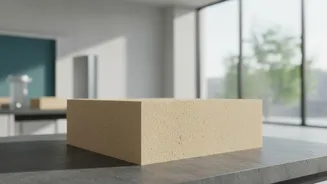
Enter wood-fibre foam. This innovative material is a bio-based alternative made from renewable resources like wood pulp, cellulose fibres, and even wood waste like sawdust. Unlike its plastic counterparts, wood foam is often biodegradable and can be recycled along with paper and cardboard, fitting neatly into existing waste streams. The concept is not entirely new; researchers and companies have been developing wood-based foams for years, touting their potential for everything from protective packaging to building insulation. However, widespread adoption has been slow, held back by two critical challenges that have kept petroleum-based foams on top: performance and price.
The Hurdles of Cost and Durability
For any new material to displace an incumbent, it must perform just as well and be competitively priced. Historically, this is where wood foams have struggled. Early versions were often more susceptible to moisture, less durable under compression, and simply couldn't match the robust, all-weather performance of plastics. Furthermore, the manufacturing processes were often complex and energy-intensive, making the final product significantly more expensive than the cheap, mass-produced plastic foams it aimed to replace. For wood foam to move from a niche, premium product to a mainstream material, researchers knew they had to close this gap. Recent breakthroughs suggest they are doing just that.
The Breakthroughs: What's New?
Exciting new research is directly addressing these core weaknesses. In a study published in mid-2026, researchers demonstrated that foam made from simple sawdust could match polystyrene's strength and impact resistance. By blending the wood waste with specific cellulose binders and then freeze-drying the mixture, they created high-performing foams. To solve the moisture issue, they applied a simple coating of beeswax, rendering the material water-resistant. Meanwhile, at the University of Maine, a graduate student recently developed a wood-based foam for beverage coolers that offers insulation performance surprisingly close to that of polyurethane, the industry standard. This foam uses cellulose nanofibrils—tiny fibres from wood pulp—to create a strong, stable structure. These developments show that wood foam can deliver the durability and performance consumers and industries expect.
From Lab to Everyday Life
While lab results are promising, the true test is commercial viability. The focus on using low-cost inputs like sawdust is a major step toward making wood foam an economically sensible choice. The path from a successful experiment to a scalable product is being paved by both academic institutions and commercial players. The University of Maine, for example, operates a pilot-scale facility that can produce the cellulose nanofibrils needed for its insulation foam, helping bridge the gap between research and manufacturing. Simultaneously, companies like Stora Enso are already on the market with products like Fibrease®, a wood foam used in high-end packaging for cosmetics and electronics. While the global wood foam market is still modest, analysts project steady growth, with one report predicting it will reach over USD 600 million by 2030, driven by tightening regulations on plastics and a growing demand for green construction materials.