




Understanding Late Monsoon Challenges
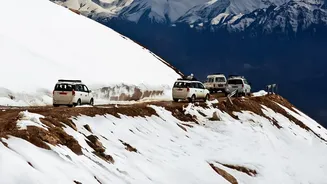
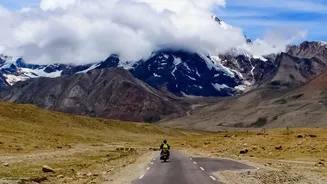
Driving the Manali-Leh highway between late August and September means the main fury of the monsoon has passed, but its effects linger. While the upper reaches of Ladakh are a rain-shadow zone and largely dry, the stretch from Manali through the Lahaul
Valley is not. The primary risks are not continuous rain, but the consequences: unpredictable water crossings (nalas) and the potential for landslides. Glacial streams swell dramatically in the afternoon as the sun melts ice, turning morning trickles into formidable torrents. Roads can be a mixture of good tarmac, slushy patches, and gravel. Recent weather events have shown that flash floods can lead to temporary but significant highway closures, often around areas like Jispa. Always check the official road status from the Border Roads Organisation (BRO) before and during your trip.
Vehicle Preparation is Key
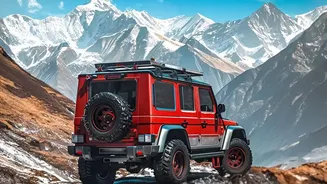
Your vehicle is your lifeline on this route. A high-ground-clearance SUV (4x4 preferred) is the ideal choice, although many have completed the trip in well-prepared smaller cars with careful driving. Before starting, ensure your vehicle undergoes a thorough service, paying special attention to brakes, tyres, and suspension. A good set of all-terrain tyres is crucial. Given the long stretches without mechanics, carrying a basic toolkit, a robust puncture repair kit, and a portable air pump is non-negotiable. Fuel is another major consideration. The last reliable fuel station after leaving the Manali area is in Tandi. After that, the next one is near Leh, over 300 kilometres away. It is essential to carry at least 20 litres of spare fuel in jerry cans.
The Golden Rule: Acclimatisation
Acute Mountain Sickness (AMS) is a serious and potentially life-threatening condition caused by ascending to a high altitude too quickly. Symptoms range from headache and nausea to more severe issues affecting the lungs and brain. The Manali-Leh route involves crossing several passes over 15,000 feet, making gradual acclimatisation critical. The most common mistake is rushing the journey. A two-day trip is not recommended as it doesn't allow the body to adjust. A three-day itinerary is the safe minimum. The cardinal rule is to 'climb high, sleep low'. Never ascend more than 300-500 metres between sleeping elevations per day once you are above 3,000 metres. Stay hydrated by drinking 3-4 litres of water daily, eat light meals, and strictly avoid alcohol.
A Safe and Sensible Itinerary
A well-paced itinerary is your best defence against AMS. Do not attempt to reach Leh from Manali in two days. A safer three-day plan is the standard recommendation. Day 1: Manali (2,050m) to Jispa (3,200m). This first leg takes you through the Atal Tunnel and into the Lahaul Valley. Jispa is the preferred first-night halt over the higher and colder Sarchu because its lower altitude is ideal for acclimatisation. Day 2: Jispa (3,200m) to Pang (4,600m) or Sarchu (4,290m). This is a challenging day where you will cross the high passes of Baralacha La (16,500 ft). While many stop at Sarchu, if you are feeling well, pushing on to Pang can make the final day shorter. However, be aware that both are very high-altitude stops and you may feel the effects of thin air. Day 3: Pang/Sarchu to Leh (3,500m). Today you will cross the Gata Loops, Lachulung La, and the second-highest pass on the route, Tanglang La (17,480 ft). After this, you descend towards the Indus Valley and the final, smoother stretch to Leh. Upon arrival in Leh, it is crucial to rest for another full day to properly acclimatise before exploring further.
Navigating Water Crossings and Symptoms
Water crossings are a signature challenge of this route, especially in late monsoon. The key is to cross them early in the morning when the water levels are at their lowest. Before entering a crossing, watch how other vehicles navigate it. Maintain a steady momentum in a low gear without stopping mid-stream. If you are unsure, it is better to wait for a more experienced driver to help. Pay close attention to your body. Early AMS symptoms include headache, loss of appetite, dizziness, and difficulty sleeping. If you experience these, do not ascend further. Rest, hydrate, and if symptoms worsen, the only cure is to descend to a lower altitude immediately. Carrying a pulse oximeter can be helpful to monitor your blood oxygen levels. Consulting a doctor about preventative medication like Acetazolamide (Diamox) before your trip is also a wise precaution.