







The Familiar Frenzy of Peak Season
Every summer, a familiar story unfolds across the Himalayas. As temperatures rise in the plains, a mass exodus leads to chaotic scenes in places like Manali, Shimla, and Nainital. Drone footage often goes viral showing bumper-to-bumper traffic, with weekend
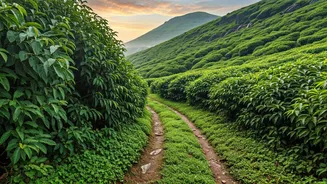
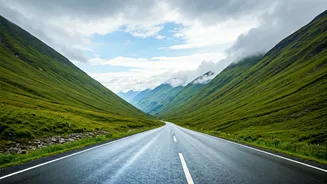
getaways turning into eight-hour ordeals on congested mountain roads. Hotels report near-full occupancy, main market roads are perpetually crowded, and the very peace travellers seek is lost in a cacophony of horns and tourist bustle. This phenomenon, known as overtourism, strains local infrastructure, from water supply to waste management, turning idyllic towns into urban sprawls under pressure. The 'slushy chaos' isn't just about melting snow; it's about the entire experience becoming a diluted, stressful version of a mountain holiday.
A World Away in the Cold Desert
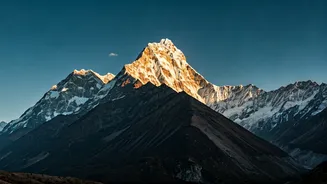
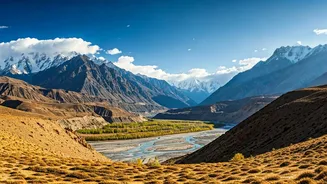
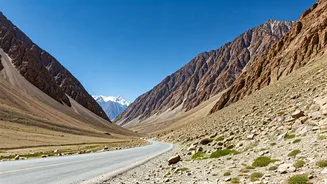
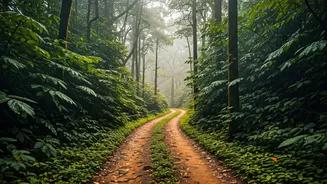
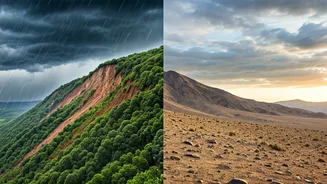
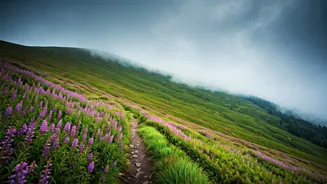
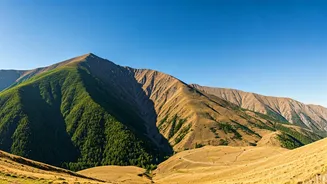
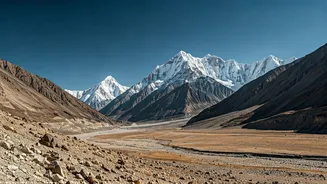
Then there is Spiti. Often called 'Little Tibet' or 'The Middle Land', it's a high-altitude cold desert valley in Himachal Pradesh that feels a world apart. Unlike the lush green, forested slopes of lower Himalayan towns, Spiti's landscape is a dramatic canvas of barren, wind-swept mountains, deep gorges, and the turquoise Spiti River carving its path through the terrain. The air is thin, the silence is profound, and the sky, free from pollution, transforms into a celestial wonderland at night. It's a place that doesn't just offer pretty views; it presents a geography that is humbling in its scale and rawness. The beauty here isn't manicured or easily accessible—it's earned.
Trade Convenience for Connection
Reaching Spiti is an adventure in itself. The journey, whether from Manali or Shimla, involves navigating rough roads, high passes like Kunzum La, and unpredictable weather. The Manali route is faster but involves a steep ascent that can cause altitude sickness, while the Shimla route offers a more gradual climb, allowing the body to acclimatize. Amenities are basic, and luxury hotels are replaced by homestays and simple guesthouses. Yet, this is precisely Spiti's charm. Opting for a homestay allows for an authentic connection with the local culture and people, whose lives are deeply intertwined with Tibetan Buddhism. The journey forces you to slow down, disconnect from modern comforts, and reconnect with something more fundamental.
Beyond the Mall Road Mentality
In Spiti, the attractions aren't shopping malls or amusement parks. Instead, the itinerary is dictated by nature and ancient culture. You can explore some of the world's oldest monasteries, like the 1,000-year-old Tabo and the iconic Key Gompa, perched dramatically on a hilltop. Adventure here means trekking to pristine, high-altitude lakes like Chandratal (the Moon Lake), rafting on the river, or simply finding a spot to gaze at the vast, star-filled sky. It’s about visiting the world's highest post office in Hikkim or driving to Komic, one of Asia's highest villages. This is travel that engages the soul, not just the wallet.
A Conscious Choice for Modern Travellers
Choosing Spiti over a conventional hill station is a conscious decision. It is a vote for sustainable and responsible travel. Several local organizations and social enterprises are working to ensure that tourism benefits the community and conserves the fragile ecosystem. By choosing homestays and engaging in eco-tourism activities, travellers contribute directly to the local economy and help preserve the unique cultural heritage of the valley. It's a move away from the consumptive nature of mass tourism towards a more mindful and impactful way of exploring the world. It’s for the traveller who seeks not just an escape, but an experience that is both challenging and transformative.