






The Age-Old Foundation Frustration
Finding the right foundation shade is notoriously difficult. The fluorescent lighting in stores can be deeply misleading, and what looks perfect on your hand rarely translates to your face. The challenge is compounded by the complexities of skin itself:
undertones (the subtle cool, warm, or neutral hues beneath your skin's surface) are hard to self-diagnose, and many of us don’t realise our skin tone varies across different parts of our face. This has led to a cycle of trial and error, costing consumers time and money, while leaving them with a drawer full of mismatched bottles. For brands, it results in customer dissatisfaction and costly product returns.
How AI Enters the Picture
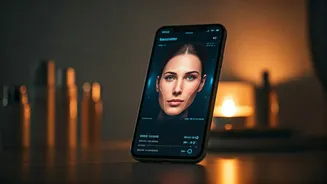
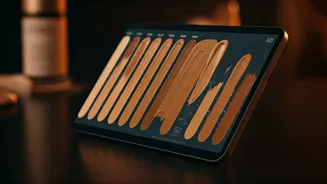
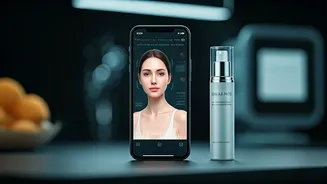
Artificial intelligence is changing the game by replacing subjective guesswork with data-driven analysis. AI-powered foundation finders use your smartphone's camera to perform a sophisticated scan of your skin. By analyzing a photo or live video, the technology identifies your precise skin tone and, crucially, your undertones. Advanced algorithms process this information, taking into account factors like lighting conditions, and compare it against a vast database of foundation shades from one or multiple brands. The result is a curated list of your best matches, often delivered in seconds.
Key Players and Virtual Try-Ons
A growing number of major beauty players are integrating this technology. Brands like Estée Lauder, L'Oréal, Mary Kay, and Clinique have deployed AI shade finders on their websites and apps. Many of these tools are powered by technology from specialized companies like Perfect Corp. and PulpoAR. In India, platforms like Nykaa and Sugar Cosmetics are also leveraging AI and augmented reality (AR) to offer virtual try-on experiences, allowing customers to see how a recommended shade looks on their face in real-time. This not only helps with foundation but also extends to lipsticks, eyeshadows, and other products, making online beauty shopping more interactive and reliable.
A Simple Guide to Using AI Matchmakers
Using an AI foundation finder is usually a straightforward process. First, find a spot with good, natural lighting, as facing a window works best. You’ll be instructed to pull your hair back and ensure your face is clean and free of any makeup. The tool, typically on a brand's website or app, will then ask you to use your front-facing camera to take a selfie or follow on-screen prompts to move your head. Some tools may also include a short quiz about your skin type (oily, dry, combination) and desired coverage (light, medium, full) to further refine the recommendations. Within moments, you'll be presented with your top foundation matches.
Is It a Perfect Match?
While AI technology is a massive leap forward, it’s not entirely foolproof—yet. The accuracy of the match can still be influenced by the quality of your phone's camera and, most importantly, the lighting conditions. A scan taken in warm indoor light might yield a different result than one taken in cool daylight. Furthermore, experts note that cameras don't always perfectly capture the nuances of all skin tones, especially deeper complexions. For these reasons, it's best to view AI recommendations as a highly accurate starting point. It dramatically narrows down the options, but getting a physical sample to test how a formula wears throughout the day is still a wise final step before committing to a full bottle.