

What’s Really In Rice Water?
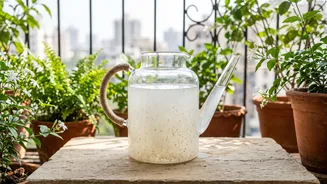
The cloudy liquid left after washing uncooked rice is more than just water. It contains starches, which act as a food source for beneficial soil microbes. These microbes help break down organic matter, improving the soil's structure and making nutrients
more available to plant roots. The water also holds small, gentle amounts of key plant nutrients, including nitrogen, phosphorus, and potassium, along with B vitamins and other trace minerals like magnesium and zinc. However, it's important to remember that rice water is not a complete fertilizer; it's a mild supplement that works alongside a regular feeding routine, not as a replacement.
The Potential Benefits for Your Plants
When used correctly, rice water can offer several advantages. The primary benefit is its ability to feed and encourage a healthy population of beneficial bacteria and fungi in the soil. Some of these microbes, like certain fungi, can even help protect plants from pests like aphids and thrips. The small dose of nutrients can support leafy growth and root development. Studies have shown that fermented rice water, in particular, can significantly boost plant growth, sometimes performing nearly as well as a standard chemical fertilizer, especially when used to supplement a half-dose of regular plant food.
Fermented vs. Fresh: Which Is Better?
You can use rice water fresh or fermented, and each has its place. Fresh rinse water is the mildest option, ready for immediate use without dilution. Fermented rice water, however, is more potent. The fermentation process, which takes a few days, increases the concentration of nutrients and beneficial bacteria. This makes it more effective as a growth booster. It also becomes slightly acidic, which can benefit acid-loving plants like tomatoes. However, because of its potency, fermented rice water must always be diluted with plain water before use, typically at a 1:1 ratio, to avoid overwhelming your plants.
Proceed with Caution: The Risks Involved
Despite its benefits, rice water isn't without risks if used improperly. The headline's suggestion of 'regular weekly' watering can be too much for many plants, especially those in pots. Overuse can lead to a buildup of starch on the soil surface, which may harden and block air from reaching the roots. This starchy, damp environment can also attract pests like fungus gnats and ants or encourage the growth of harmful mould and bacteria. It's crucial to only use water from rinsing uncooked rice—never use water that has been salted or boiled with fats, as this will damage your plants.
A Practical Guide to Using Rice Water
To safely incorporate rice water into your plant care routine, follow these steps. First, collect the water from rinsing uncooked, unsalted rice. For fresh use, apply it directly to the soil in place of a regular watering. For a more potent mix, let the water ferment in a loosely covered jar for two to three days at room temperature. Always dilute this fermented mixture with an equal part of plain water before applying. Instead of weekly, start by using rice water once every two to four weeks during the growing season. Always check that the top inch of soil is dry before watering, and stop using it if you notice any bad smells, mould, or increased pest activity.