






Beyond Sightseeing: A New Tourism Model
For decades, the tourism value chain seemed straightforward: tourists arrive, spend money in hotels and at major attractions, and then leave. While this generates revenue, much of it often flows to large corporations, bypassing the local communities that
give a destination its unique character. Today, a significant shift is happening. Travellers are increasingly seeking authentic experiences, a chance to connect with local culture, and a way to ensure their money makes a positive impact. This has given rise to sustainable, community-based tourism—a model designed to bring economic benefits directly to the grassroots level, from homestay owners and local guides to artisans and food producers. This approach turns tourism from a passive activity into an active partnership between visitors and hosts.
The Economic Ripple Effect in Action
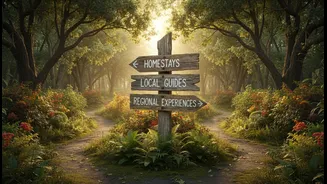
The power of this new model lies in its ability to create a powerful local economic ripple effect. When a tourist chooses a village homestay over a chain hotel, a significant portion of their spending stays within the community. This income supports the homestay owner, who in turn buys produce from a local farmer, sources textiles from a nearby weaver, and hires a guide from the village to lead treks. This creates a self-sustaining ecosystem where one tourist's visit can support dozens of livelihoods. In states like Uttarakhand, the government has heavily promoted homestays, leading to thousands of new micro-entrepreneurs and a noticeable trend of tourists staying longer to immerse themselves in village life. This diversification of the rural economy helps curb migration to cities by creating viable, respectable jobs at home.
Turning Cultural Heritage into a Living Asset
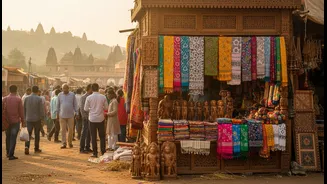
Perhaps the most crucial benefit of community-led tourism is its role in cultural preservation. When cultural practices, art forms, and traditions generate income, they are no longer seen as relics of the past but as valuable, living assets. Tourism provides a powerful economic incentive to protect them. For example, in Kerala, the demand from travellers for authentic experiences has helped support performers of traditional dance forms like Kathakali and the artisans behind intricate local crafts. In Nagaland, Khonoma, India’s first green village, transformed its economy from hunting to conservation, now offering eco-tours that celebrate and sustain its unique tribal heritage and biodiversity. This model allows communities to share their culture on their own terms, fostering pride and ensuring that ancient traditions are passed down to the next generation.
Success Stories and Government Support
This movement is not just a collection of isolated experiments; it is increasingly backed by national and state policies. Initiatives like the Ministry of Tourism's 'Swadesh Darshan' scheme and 'Vibrant Villages Programme' are actively promoting rural and cultural tourism. In Maharashtra, the Ajanta-Ellora conservation project was designed with the primary goal of improving the standard of living for the local community, and today it supports over 30,000 people in the surrounding area. In Sikkim, a pioneer in ecotourism, government policy strictly enforces sustainable practices, ensuring that the benefits of tourism are widely distributed among the local population through homestays and community-managed projects. These examples show that with the right framework, tourism can be a powerful tool for inclusive development.
Challenges on the Path to Sustainability
Despite the successes, the path to truly sustainable tourism is not without its obstacles. A primary concern is the risk of over-commercialization, where cultural traditions are diluted or altered to meet tourist expectations. There is also the danger of economic leakage, where even in community-based models, money flows out to external operators if not managed properly. Another significant challenge is ensuring that communities have the training, resources, and infrastructure to manage tourism effectively without succumbing to the pressures of overcrowding or environmental damage. Balancing authenticity with visitor comfort and economic growth with ecological preservation requires careful and continuous planning from all stakeholders—governments, local communities, and the travellers themselves.