





An Unprecedented Surge in Demand
India's aviation market is witnessing historic growth. A burgeoning middle class, rising disposable incomes, and a strong post-pandemic appetite for travel have created a surge in passenger numbers. According to a recent forecast by consultancy Oliver
Wyman, India's commercial aircraft fleet is projected to grow at an annual rate of 7.1% between 2026 and 2036, among the highest in the world.. This explosive demand is putting immense pressure on the existing fleet, leading to what Union Commerce and Industry Minister Piyush Goyal recently described as an 'acute' shortage of planes.. To meet this need, the country requires over 2,000 new aircraft in the coming years.
Airlines on a Buying Spree
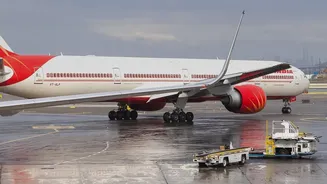
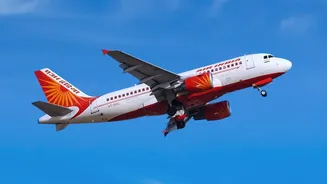
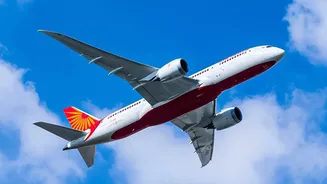
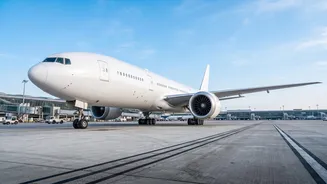
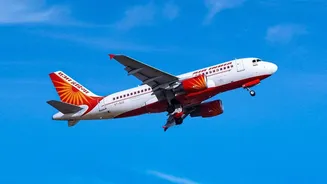
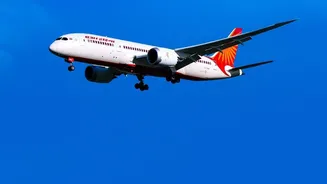
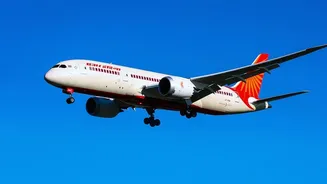
Indian carriers are responding with some of the largest aircraft orders in aviation history. Airlines including IndiGo, Air India, and Akasa Air have already placed firm orders for more than 1,200 aircraft with global manufacturers Airbus and Boeing.. Now, they are reportedly preparing to order another 1,000 planes to bridge the capacity gap.. Air India, under the Tata Group, and market leader IndiGo have been at the forefront of this expansion. Air India's landmark order for hundreds of aircraft is complemented by IndiGo's record-setting deal for 500 Airbus A320-family jets, alongside significant orders for wide-body A350s to expand its international routes.. These staggering numbers reflect a clear strategy: to rapidly scale up capacity and modernize fleets to serve both domestic and international ambitions.
More Than Just New Planes
Simply buying aircraft is not enough. The massive influx of new planes presents a parallel challenge: building the ecosystem to support them. India faces a significant need for more trained pilots, cabin crew, and maintenance engineers.. Furthermore, airport infrastructure, particularly at congested metro hubs, needs to be expanded to handle the increased traffic.. The government is actively working to address these bottlenecks, with ambitious plans to build 100 new airports, develop domestic Maintenance, Repair, and Overhaul (MRO) facilities to reduce reliance on foreign services, and create a robust aircraft leasing and financing hub in GIFT City.. Success hinges on ensuring that infrastructure and workforce development keep pace with fleet expansion.
India's Global Aviation Hub Ambition
These massive aircraft orders are a cornerstone of India's larger vision to establish itself as a major global aviation hub, similar to Dubai or Singapore.. By expanding their fleets with modern, fuel-efficient long-haul aircraft, Indian carriers can offer more direct connectivity between India and the rest of the world, capturing a larger share of international transit traffic.. The government is supporting this through policies like the Hub-and-Spoke model, designed to seamlessly connect passengers from smaller Indian cities to international destinations via major hubs like Delhi.. This strategy is not just about convenience; it is a geopolitical and economic goal aimed at boosting trade, tourism, and India's standing in the global aviation landscape.