






The Context: Why Frugal is a Flex
Before we dive into the dishes, let’s talk about the ‘why’. It's no secret that the cost of living, especially food prices, has been on the rise. From tomatoes to cooking oil, the pinch is real for households across India. But instead of despair, a wave
of creativity has washed over social media. Young Indians, from students in hostels to young professionals setting up their first home, are turning this economic pressure into a social media phenomenon. Frugality is no longer something to hide; it's a 'life hack' to be celebrated. Being able to whip up a tasty, nutritious meal for under ₹50 is now a badge of honour, a flex of culinary resourcefulness. This trend is a perfect storm of economic necessity, a desire for authenticity, and the visual, short-form nature of today's social platforms.
1. The One-Pot Renaissance
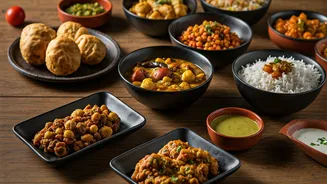
One-pot meals like khichdi and tehri have always been comfort food staples, but now they are viral sensations. Food creators are showcasing them not just as sick-day meals but as wholesome, balanced, and incredibly convenient weeknight dinners. The appeal is threefold: they use minimal utensils (less washing up!), they are a great way to use up leftover vegetables, and they are endlessly customisable. A simple masoor dal khichdi or a vegetable tehri can be made with basic spices and whatever veggies you have on hand. Visually, a colourful bowl of tehri topped with fresh coriander looks fantastic on camera, making it perfect content for Instagram. It’s the ultimate trifecta of cheap, easy, and photogenic.
2. The Humble Superfood's Comeback
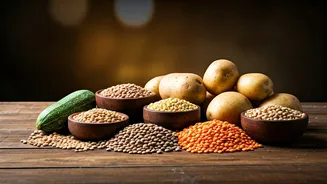
Remember sattu? That roasted gram flour your grandparents swore by? It's back, and it's cooler than ever. Hailed as a 'poor man's protein', sattu is experiencing a major revival among health-conscious but budget-minded millennials and Gen Z. Viral recipes range from the classic sattu sherbet (a cooling, hydrating drink perfect for summer) to sattu parathas and even sattu-based energy balls. It’s packed with protein and fibre, keeping you full for longer, which is a huge plus when you’re trying to manage food costs. The narrative around sattu has shifted from being an old-fashioned ingredient to a smart, indigenous superfood that’s both sustainable and affordable.
3. Breakfast for Any Meal
Dishes like poha, upma, and besan chilla are breaking out of the breakfast box and becoming all-day heroes. Why? They are incredibly quick to make, require very few ingredients, and are surprisingly filling. A plate of Kanda Poha costs next to nothing to prepare but delivers on flavour and satisfaction. Besan chilla (a savoury gram flour pancake) is another star, often filled with grated paneer or chopped vegetables for a protein-packed meal that can be dinner. Creators are showing how to make these dishes in under 15 minutes, positioning them as the perfect antidote to expensive and unhealthy food delivery orders.
4. The Art of the Leftover
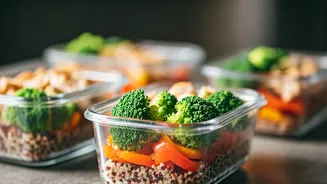
The concept of 'zero-waste cooking' has found a perfect home in the budget meals trend. Instead of throwing away last night’s rice, people are turning it into delicious 'vaghar-bhaat' (tempered rice) or lemon rice. A simple tadka of mustard seeds, curry leaves, and peanuts can transform plain rice into a whole new dish. Similarly, leftover roti is being turned into 'kothu parotta' style stir-fries or 'roti noodles'. This isn't just about saving money; it’s about a mindful approach to consumption. The viral videos often highlight the transformation, showing the 'before' (plain leftovers) and the 'after' (a vibrant, new meal), which is incredibly satisfying for viewers to watch.