




What is Statement Lighting?
At its core, statement lighting is any fixture that demands attention and serves as a visual focal point. Unlike standard lighting designed to blend in, these pieces are meant to be seen. Think of them as the jewellery of a room—an accessory that elevates
the entire aesthetic. They are characterized by their unique shapes, bold designs, dramatic scale, or unconventional materials like sculptural glass, natural stone, or textured metals. A statement piece isn't just about providing light; it's about making a declaration of your personal style and creating a memorable experience in the space.
Finding the Right Light for Your Style
The beauty of statement lighting is its versatility. There is a style to match every aesthetic, from minimalist to maximalist. For a modern home, you might choose a fixture with sleek, geometric lines and a metallic finish. If your taste leans more towards rustic or farmhouse, a chandelier featuring wood or distressed accents could be the perfect fit. For those who love a touch of old-world glamour, Art Deco-inspired pieces can add a sense of luxury. The goal is to choose a fixture that not only illuminates the room but also complements and enhances your existing decor.
Lighting Every Room with Intent
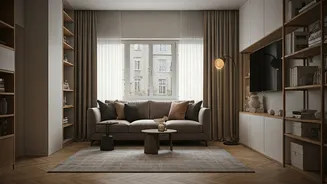
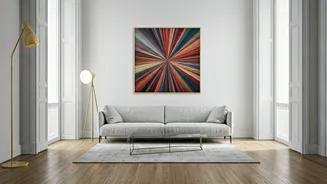
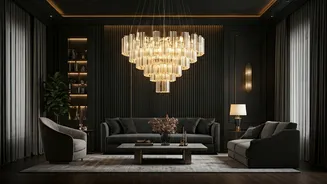
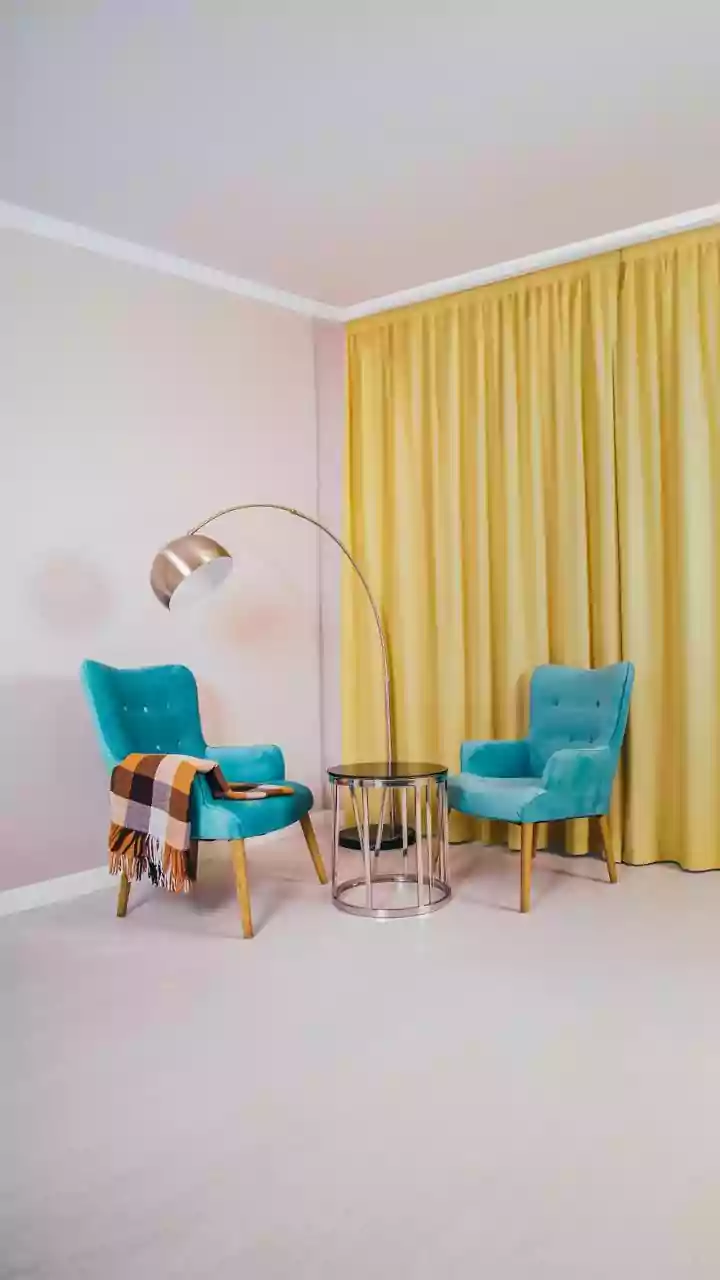
Different rooms have different needs, and statement lighting can be adapted for each one. In a dining room, a large chandelier or a striking linear pendant over the table creates a dramatic focal point perfect for gatherings. For the living room, consider a sculptural floor lamp or an oversized pendant to anchor a seating area. In the kitchen, a cluster of pendants over an island adds both functional task lighting and a strong design element. Even an entryway is a prime opportunity to make a great first impression with a bold, welcoming fixture.
Getting the Scale and Proportion Right
One of the most important considerations is scale. A fixture that is too large can overwhelm a small room, while one that's too small will get lost in a large, high-ceilinged space. A common guideline is to add the room's length and width in feet and use that number as the diameter for your fixture in inches. For a dining table, the chandelier should be about one-half to two-thirds the width of the table. Hanging height is also crucial. Over a table, a fixture should generally hang about 30 to 36 inches above the surface, while in a walkway, you should ensure at least seven feet of clearance from the floor.
Layering is Key
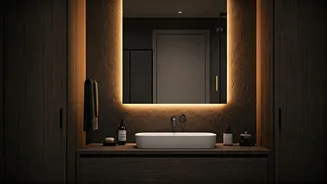
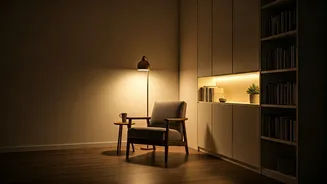
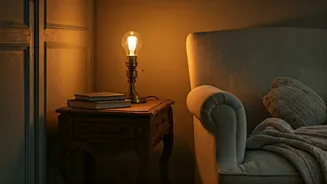
A statement piece works best as part of a layered lighting scheme. Relying on a single overhead light can make a room feel flat and create harsh shadows. A well-designed room combines three types of lighting: ambient (overall illumination), task (for specific activities like reading), and accent (to highlight features). Your statement fixture often serves as the main source of ambient light, but it should be supported by other sources like table lamps, floor lamps, or wall sconces to create depth, warmth, and a more inviting atmosphere.