





An Uneven and Unpredictable Season
The story of the 2026 southwest monsoon has been one of sharp contrasts. After a delayed start and a significant rainfall deficit in June, the season saw a dramatic recovery in July, which helped narrow the gap in the sowing of crucial Kharif crops. However,
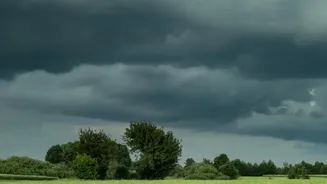
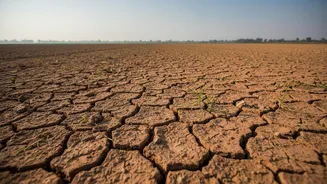
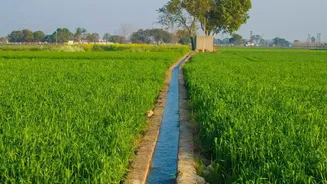
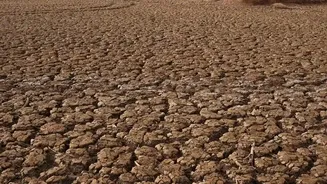
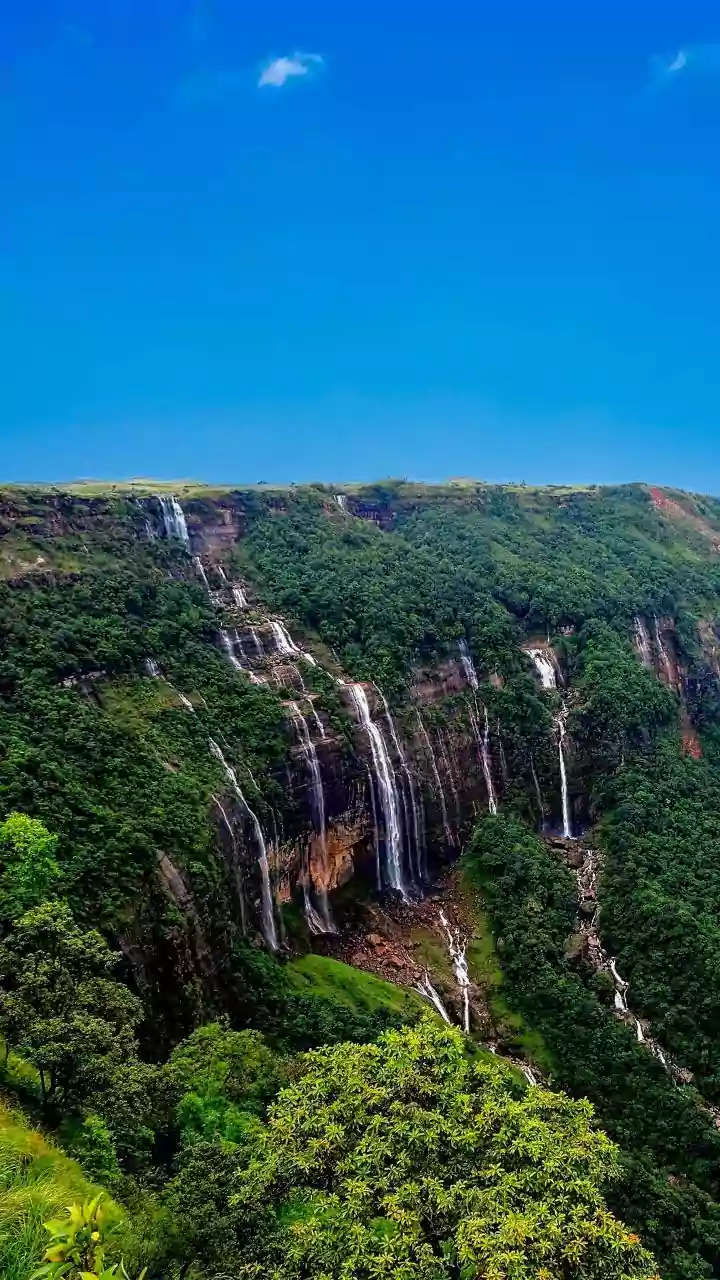
the revival has not been uniform across the country. As of mid-August, large parts of east, northeast, and southern India are still facing rainfall deficits. States like Bihar, Jharkhand, and Karnataka have recorded significantly below-normal rain, while others have experienced intense downpours leading to localized flooding. This uneven distribution is a major concern for agriculture, as a healthy national average can hide severe regional stress that impacts crop health and output. Experts note that one or two heavy rain events cannot make up for prolonged dry spells, which deplete soil moisture at critical growth stages for plants.
Which Kitchen Staples Are Most at Risk?
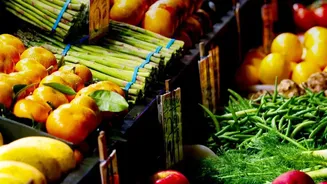
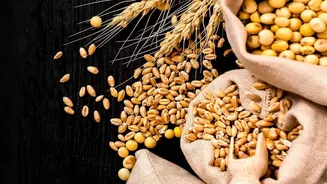
The erratic rainfall directly affects the sowing and yield of key Kharif (monsoon) crops. As of mid-August 2026, the overall sown area for these crops was about 2% lower than the previous year. The biggest concerns are around rice, pulses, and some vegetables. Paddy (rice) acreage was trailing by nearly 3.7% compared to last year, a significant figure for India's most important food staple. The sowing of pulses like tur (arhar) has also been sluggish. These crops are highly sensitive to the timing and distribution of rainfall. Vegetables, particularly perishables like tomatoes and onions, are notoriously volatile. Their prices can spike quickly due to supply disruptions caused by heavy rains that damage standing crops or hinder transportation from farms to markets. While there was some deflation in tomato and potato prices recently, items like onions and garlic have seen price increases. The Reserve Bank of India has flagged these monsoon-related uncertainties as a key risk for food inflation.
The Supply Chain Squeeze
Even when crop production is adequate, the monsoon can throw a wrench in the works by disrupting supply chains. Heavy rainfall and waterlogging damage rural roads, slowing down or even halting the movement of trucks that carry produce from agricultural heartlands to urban centres. This logistical bottleneck can lead to spoilage, creating artificial shortages in local mandis and pushing up prices for consumers, even if there is no national-level production crisis. This effect is often felt most acutely in the prices of perishable goods, which have a short shelf life. Furthermore, a weak monsoon affects water levels in major reservoirs. Lower reservoir levels not only impact the current Kharif crops but also threaten the availability of water for the upcoming Rabi (winter) sowing season, potentially creating a longer-term inflationary pressure.
The Economic Outlook
Economists and policymakers are watching the monsoon's progress closely. A poor agricultural season has a ripple effect across the economy. It can drive up food inflation, which directly impacts household budgets and can force the central bank to maintain higher interest rates to control prices. Data for July 2026 showed retail inflation already rising to 4.45%, partly driven by higher food prices. Analysts worry that a weak harvest could further fuel this trend. Beyond direct price impact, a poor monsoon also reduces farm incomes, which in turn dampens rural demand for goods and services, from tractors to consumer products, potentially slowing overall economic growth. While a crisis has not been declared, the performance of the monsoon through the remainder of August and September will be critical in determining the final harvest and the subsequent pressure on your wallet.