


The End of the ‘One-Size-Fits-All’ Room
The era of the perfectly matched furniture set and the single, dominant design theme is fading. For a long time, interior design in India was swayed by specific, often Western-inspired, aesthetics like stark minimalism or a very literal interpretation
of traditional decor. Homeowners would often pick a style—be it Scandinavian white or heavy, dark-wood traditional—and apply it uniformly across the house. However, a significant shift is underway. Designers and homeowners alike are rejecting the pressure to create flawless, magazine-ready spaces that feel impersonal. Instead, there is a growing desire for homes that reflect the real lives, personalities, and histories of the people who inhabit them. This has led to a move away from rigid styles and towards a more eclectic and expressive approach.
What ‘Personal and Layered’ Really Means
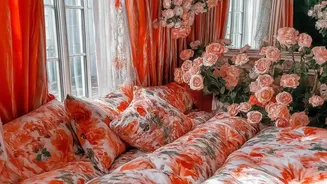
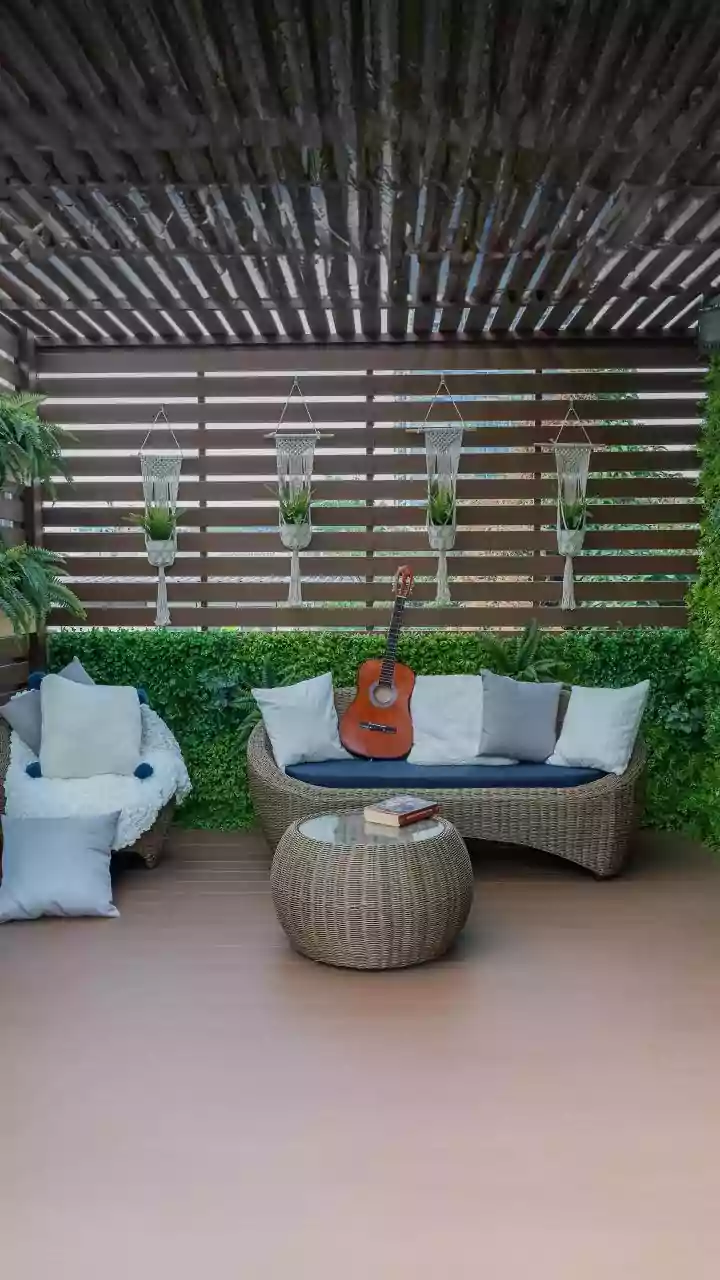
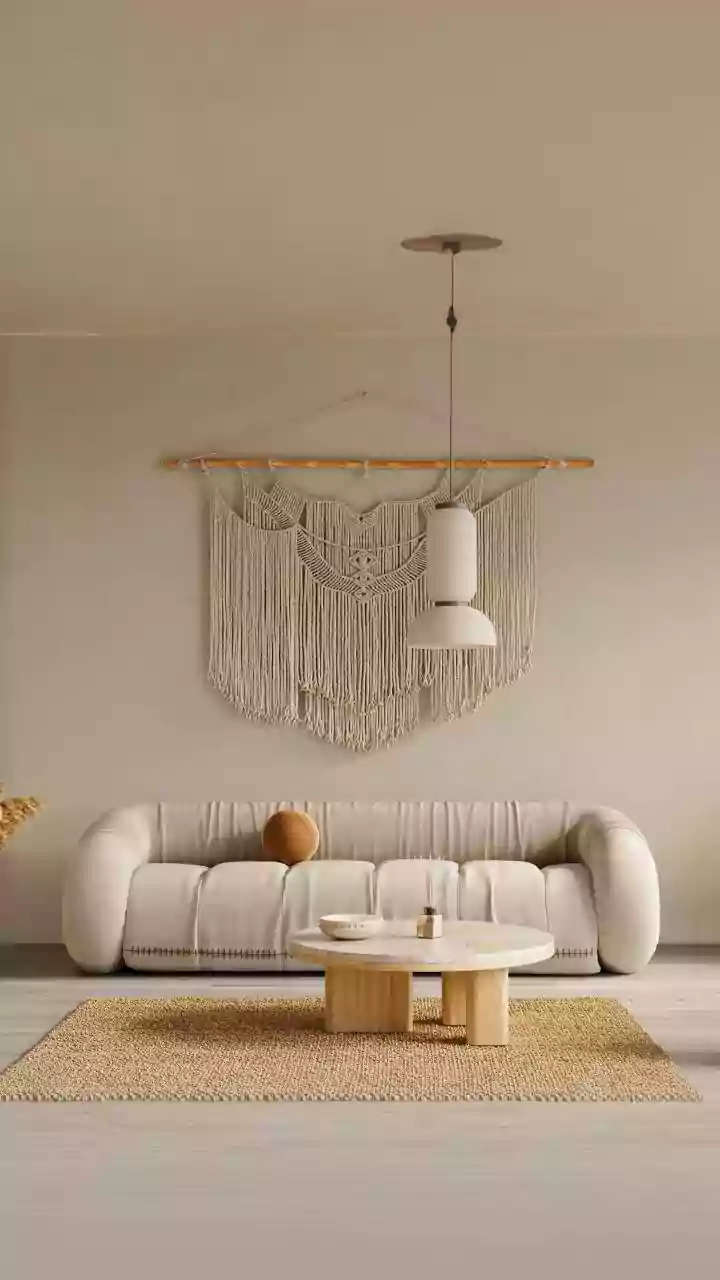
So, what does this new approach look like? It's less of a defined style and more of a philosophy. A “layered” home is one that is rich in textures, patterns, and a mix of materials. Think a modern sofa paired with a vintage hand-knotted rug, or a sleek contemporary kitchen that features a collection of rustic, handmade pottery. The “personal” element comes from showcasing objects that hold meaning—heirlooms, travel souvenirs, art collections, and books. It’s about creating spaces that tell a story about who you are and where you've been. This approach embraces what is sometimes called “maximalism,” not in the sense of clutter, but as a celebration of abundance, bold colours, and curated collections. The goal is to create an environment that feels lived-in, warm, and uniquely yours, rather than a sterile showroom.
Drivers of the New Design DNA
Several factors are fuelling this change. The most significant is the influence of social media platforms like Instagram and Pinterest. While these platforms can promote fleeting trends, they have also given Indian homeowners unprecedented access to a global library of design ideas, empowering them to articulate their tastes more clearly. Many now arrive at design consultations with mood boards, ready to mix and match elements they love. The pandemic also played a crucial role, forcing people to spend more time at home and see their spaces as more than just functional shelters. Homes had to become offices, schools, and sanctuaries, leading to a deeper desire for comfort and personal expression. This has spurred a willingness to invest more in creating interiors that feel distinctly their own.
An Artisan Revival and Conscious Choices
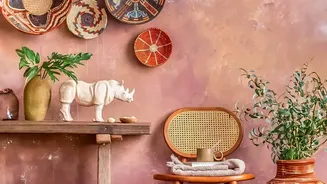
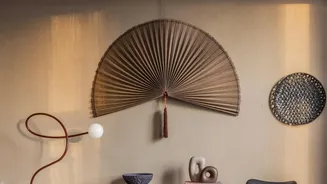
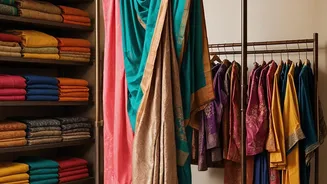
This trend towards personalization is beautifully intertwined with a renewed appreciation for Indian craftsmanship. There is a growing movement to incorporate handmade items from local artisans into modern homes. This is not about creating a fully traditional look, but about using handcrafted pieces as unique statements within a contemporary setting. A single piece of Bidri metalwork, a wall adorned with Pattachitra art, or handwoven textiles from a specific region can anchor a room and give it soul. This shift is also linked to a rise in conscious consumerism, with homeowners seeking out sustainable, locally sourced materials like bamboo, clay tiles, and jute. By choosing these items, people are not just decorating their homes; they are supporting artisanal communities and preserving cultural heritage.
How to Embrace the Imperfect Home
Adopting this layered and personal style is less about following rules and more about trusting your instincts. Start by curating, not just decorating. Instead of buying everything at once, collect pieces over time that you truly love. Mix high and low—an expensive piece of art can coexist beautifully with a find from a local market. Focus on textiles to add instant warmth and personality through cushions, throws, and rugs. Don't be afraid to mix old with new; let your grandmother's antique chair have a conversation with your modern coffee table. Most importantly, embrace imperfection. A home that is a little worn, a little eclectic, and constantly evolving is a home with character and heart.