



A New Benchmark on November 2
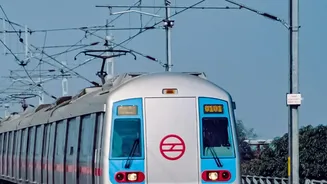
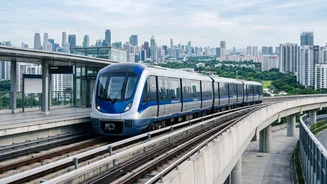
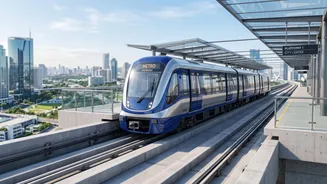
On November 2, 2026, Delhi Metro's driverless train network catered to a staggering 1.6 million commuters. This new record, driven by the pre-Diwali travel rush, meant that one in every five passengers across the entire metro system on that day travelled
on an automated train. The total ridership across all Delhi Metro lines on that day was a massive 8.05 million, a significant surge attributed to new vehicle restrictions that pushed more people towards public transport. The 1.6 million figure on just the automated lines underscores the immense capacity and increasing reliance on this futuristic system.
The Technology Behind the Record
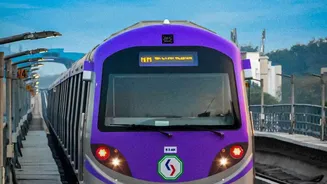
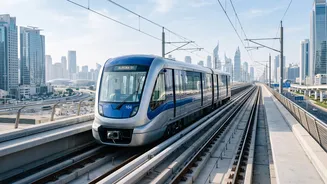
The record-breaking day was made possible by the advanced technology operating on Delhi Metro's Pink and Magenta Lines. These corridors use 'Unattended Train Operation' (UTO), the highest grade of automation (GoA4). This system relies on Communication-Based Train Control (CBTC), which allows for high-frequency operations without a driver in the cabin. The benefits are significant: automation reduces the possibility of human error, allows for greater operational flexibility, and increases the availability of coaches for service. According to DMRC Managing Director Vikas Kumar, the reliability of these trains has improved significantly due to exhaustive self-tests performed automatically before they enter service each day.
An Expanding Automated Network
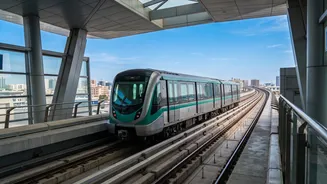
India's journey into driverless public transport began on December 28, 2020, with the launch of services on the Magenta Line. This was followed by the conversion of the Pink Line to driverless operations in November 2021. Together, these two lines now form a driverless network of approximately 120 km, making it one of the largest in the world. The Delhi Metro Rail Corporation (DMRC) currently operates 100 UTO trains on these lines, which account for nearly 30% of the entire metro network. There are ambitious plans to expand this automated network even further to 198 km in the coming years as ongoing construction projects are completed.
Why This Milestone Matters
This ridership record is more than just a number; it's a powerful vote of public confidence. When driverless technology was first introduced, there were natural questions about safety and reliability. This achievement demonstrates a widespread acceptance and trust among Delhi's commuters. Furthermore, it validates the DMRC's investment in automation as a solution to Delhi's immense mobility challenges. The ability to handle such a large influx of passengers with high efficiency and safety proves that the system is not just a novelty but a robust and essential part of the city's infrastructure, especially during periods of peak demand.
A Blueprint for Other Indian Cities
The success of Delhi's automated lines serves as a compelling case study for other Indian cities. With metro networks operational or under construction in over 26 cities, the debate over adopting driverless technology is intensifying. Proponents, like DMRC's Vikas Kumar, argue that it is time for other projects to follow this model to enhance efficiency. While critics point to higher initial costs and concerns over job roles, the DMRC has stated that train operators were not laid off but redeployed to other important functions like station management. As India continues to urbanise rapidly, the Delhi experience provides a valuable blueprint for building smarter, more efficient, and future-ready urban transit systems.