



Waterproof vs. Water-Resistant: Know the Difference
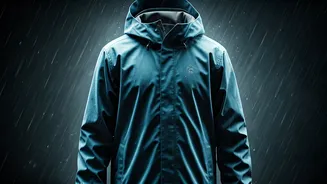
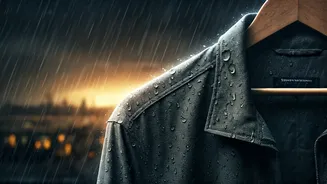
First, let's clear up the most common confusion: “water-resistant” and “waterproof” are not the same. A water-resistant jacket can handle a light, brief shower, but it will eventually let water in during sustained rain. These jackets are often treated
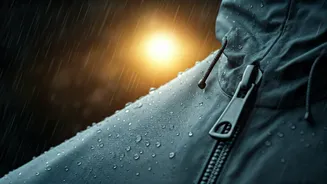
with a coating called Durable Water Repellent (DWR), which makes water bead up and roll off. However, this is only a first line of defense. True waterproof jackets are engineered with an internal membrane or coating that physically blocks water from penetrating the fabric, even in heavy downpours. For a jacket to be considered fully waterproof, its seams must also be sealed to prevent leaks through the stitch holes.
Decoding the Tech: Membranes and Layers
The secret to a high-performing waterproof jacket is its internal technology. Most rely on a microscopic membrane, like the well-known GORE-TEX, or similar technologies like eVent and Pertex Shield. These membranes have pores that are too small for water droplets to pass through but large enough for sweat vapour to escape, making the jacket both waterproof and breathable. These membranes are protected by being laminated into a layered construction: * **2-Layer:** The membrane is bonded to an outer fabric, with a separate, loose inner lining for comfort. These are often found in affordable, everyday jackets. * **2.5-Layer:** The membrane is bonded to an outer fabric and protected by a thin inner coating or print instead of a full lining. This makes the jacket very lightweight and packable, ideal for hiking or travel. * **3-Layer:** The outer fabric, membrane, and a protective inner liner are all bonded together into a single, robust piece of fabric. This is the most durable and breathable construction, designed for harsh conditions.
The First Defence: Durable Water Repellent (DWR)
Nearly all waterproof jackets have a DWR coating on the outer fabric. This treatment is what causes water to bead up and roll off the surface. Its main job is to prevent the outer fabric from getting saturated, which would make the jacket feel heavy and cold, and would also stop the breathable membrane from working effectively. It's important to know that DWR is not permanent. Dirt, oils, and regular washing can cause it to wear off. When you notice water is no longer beading but soaking into the fabric, it’s time to revitalise your jacket's DWR.
Construction is Key: Why Seams and Zippers Matter
A waterproof fabric is useless if water can sneak in through the seams. The needle holes from stitching are natural weak points. That’s why quality raincoats have their seams sealed. This is done by applying a waterproof tape over the stitches on the inside of the jacket. You'll often see jackets advertised as either “critically seam-sealed” (where only the most exposed seams like the hood and shoulders are taped) or “fully seam-sealed” (where every single seam is taped for maximum protection). For serious rain, fully sealed seams are a must. Pay attention to zippers as well; look for water-resistant zippers (like YKK AquaGuard) or storm flaps that cover the zipper to provide an extra barrier against rain.
Making It Last: Proper Care and Maintenance
A durable raincoat is one you take care of. Dirt and body oils can clog the pores of the waterproof membrane and wear down the DWR coating. When it's time to wash your jacket, always check the care label first. Use a technical cleaner specifically designed for waterproof clothing—never use regular laundry detergent, bleach, or fabric softener, as they can strip the DWR and damage the membrane. Wash on a gentle, low-temperature cycle. To reactivate the DWR after washing, you can often tumble dry the jacket on a low heat setting for about 20 minutes (if the care label allows) or use an iron on a low setting with a cloth for protection. If this doesn't work, you can reapply a DWR treatment yourself using a spray-on or wash-in product.