



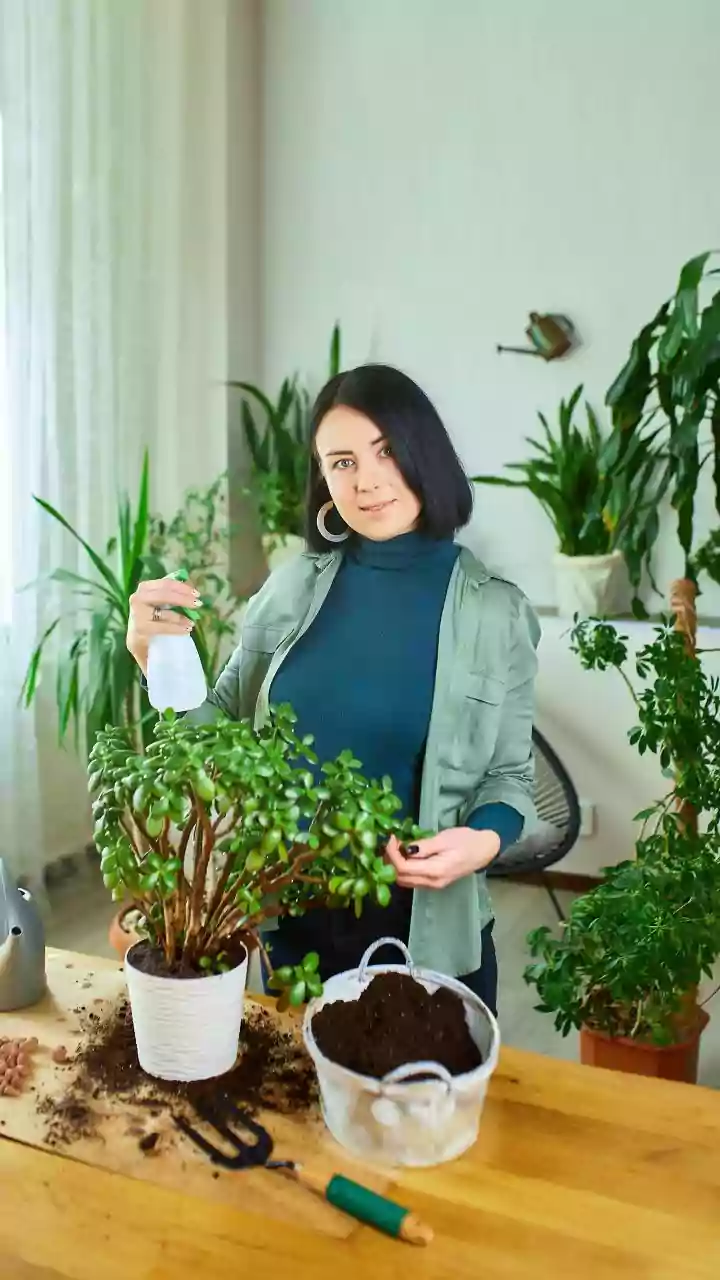



More Than Just Decoration
Before we dive into specific plants, let's talk about why you should even consider one for your desk. In our increasingly indoor lives, we often miss a connection to nature. Bringing a plant into your workspace is about more than just aesthetics; it's
about wellness. Studies have shown that the presence of indoor plants can help reduce stress and anxiety, creating a calmer atmosphere. Some research even suggests that having greenery in your field of vision can improve concentration and boost productivity—a welcome benefit for anyone facing exams or a mountain of work. A plant introduces a living, breathing element to an otherwise static environment, offering a small, natural escape every time you look up from your screen.
Meet the Snake Plant: The Survivor
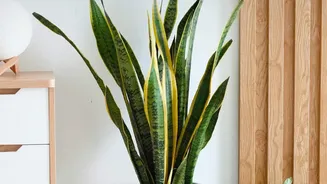
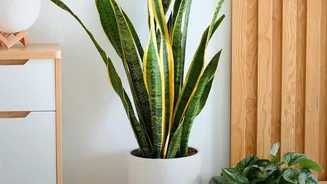
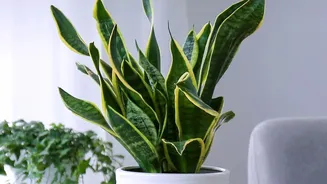
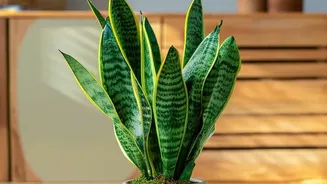
If you're convinced you have a 'black thumb' and kill every plant you touch, the Snake Plant (Dracaena trifasciata, formerly Sansevieria) is here to prove you wrong. Famous for being nearly indestructible, this plant is the definition of low-maintenance. Its stiff, architectural leaves grow vertically, adding a touch of modern elegance without taking up too much precious desk space. They come in various patterns, often with green bands and yellow or white edges. The Snake Plant's biggest selling point is its incredible tolerance for neglect. It's the perfect plant for a busy student or a forgetful professional.
Caring for Your Snake Plant
Keeping a Snake Plant happy is simple. They are famously adaptable to different light conditions, tolerating low light while thriving in bright, indirect sunlight. The golden rule is to avoid overwatering, which is the most common mistake. These plants are drought-tolerant and prone to root rot if their soil is constantly wet. A good practice is to water only when the soil is completely dry to the touch, which might be as infrequently as every two to four weeks, and even less in the winter. Use a well-draining potting mix, like one designed for cacti or succulents, and you're all set.
Introducing Pothos: The Eager Grower
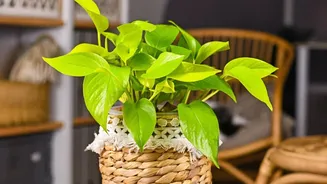
If you want a plant with a bit more personality and visual flair, look no further than the Pothos (Epipremnum aureum). Also known as Devil's Ivy, this vining plant is celebrated for its heart-shaped leaves and its eagerness to grow. It will happily trail down the side of your desk or bookshelf, adding a dynamic, cascading effect to your space. Pothos is just as forgiving as the Snake Plant, making it another excellent choice for beginners. It's quick to show you when it's thirsty with a slight droop in its leaves, but it bounces back just as quickly after a good drink.
How to Keep Your Pothos Happy
Pothos is wonderfully adaptable. It prefers bright, indirect light but can handle lower light conditions, although its variegation might fade. Direct, harsh sunlight should be avoided as it can scorch the leaves. When it comes to watering, a simple approach works best: water thoroughly when the top inch or two of soil feels dry. Like the Snake Plant, it's better to underwater than overwater. Pothos also appreciates a bit of humidity, so a light misting every few days can be beneficial, especially in dry, air-conditioned rooms. A standard, well-draining potting soil is perfectly adequate for this hardy plant.
The Truth About Cleaning the Air
Now, let's address the headline's claim: do these plants clean the air? The idea comes from a famous 1989 NASA study which found that certain houseplants, including Snake Plants and Pothos, could remove harmful volatile organic compounds (VOCs) like formaldehyde and benzene from the air in a sealed chamber. While this is scientifically true, the context is crucial. The study was conducted in a small, sealed environment, which is very different from a typical home or office with regular air circulation. To significantly purify the air in an average-sized room, you would need a very large number of plants—far more than is practical for most people. However, Snake Plants are unique in that they perform CAM photosynthesis, releasing oxygen at night, which makes them a popular choice for bedrooms. So, while your single desk plant won't act as a powerful air purifier, it is still contributing in a small way.