




An Unseen Threat in Your Kitchen
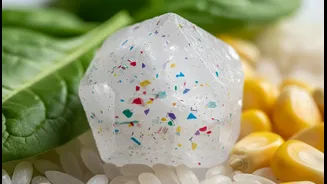
The term "microplastics" refers to tiny plastic particles less than five millimeters in size which have become a pervasive environmental pollutant. These fragments result from the breakdown of larger plastic items and are now found everywhere—in our oceans,
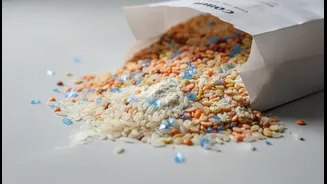
soil, and air. Increasingly, they are infiltrating our food supply. While concerns have often focused on seafood and bottled water, recent studies are highlighting a more ubiquitous source: common kitchen seasonings. From sea salt harvested from polluted waters to dried herbs exposed to plastic during processing, these essential ingredients can act as carriers for microscopic plastic contaminants.
A Challenge to Clean Eating Principles
The entire philosophy of clean eating is built on consuming whole, natural, and unprocessed foods while avoiding artificial ingredients and contaminants. Adherents invest significant effort to ensure what they eat is pure. The discovery of microplastics in basic seasonings presents a direct contradiction to this ethos. It suggests that even the most carefully curated diet is susceptible to industrial pollution. This isn't just about avoiding a specific additive; it's about confronting a systemic environmental problem that has infiltrated the most fundamental components of our cooking. This forces the clean-eating community to expand its definition of "clean" to include invisible, modern-day pollutants.
Which Seasonings Are at Risk?
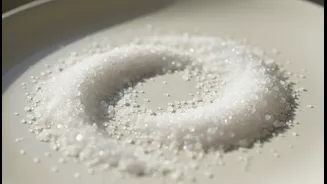
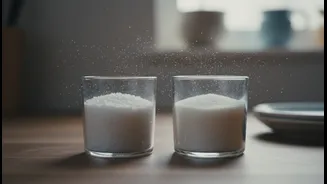
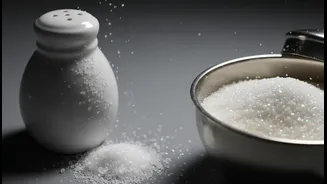
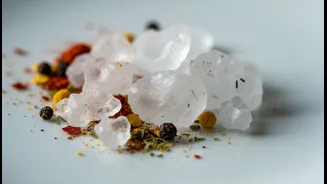
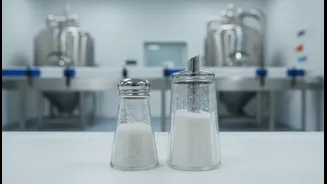
Research indicates that salt is a primary vehicle for microplastic ingestion. Studies have found that up to 90% of table salt brands contain these particles. Sea salt, in particular, often has the highest concentrations due to widespread ocean pollution. However, the issue is not exclusive to salt from the sea. Some studies have found that even terrestrial salts, like Himalayan pink salt, can have high levels of microplastics, possibly introduced during the mining, manufacturing, or packaging processes. Beyond salt, other spices can be contaminated. Plastic grinding mechanisms in pepper and spice mills can shed polymer fragments directly into your food. Furthermore, exposure can occur from plastic packaging and handling equipment during processing.
What Are the Health Concerns?
The science on the long-term health effects of ingesting microplastics is still emerging, but the initial findings are concerning. These tiny particles can accumulate in the body and have been found in human blood, lungs, and other organs. The potential risks are threefold: the physical hazard of the particles themselves causing inflammation or irritation in the gut; the chemical additives like BPA and phthalates, which are known endocrine disruptors, leaching into the body; and the ability of microplastics to absorb other toxins like heavy metals and pesticides, delivering them into our systems. While direct links to specific diseases in humans are still being established, animal studies and preliminary human research suggest possible connections to inflammation, hormonal disruption, and increased cardiovascular risks.
How to Clean Up Your Spice Rack
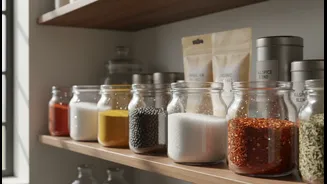
While completely eliminating microplastics is nearly impossible, you can take meaningful steps to reduce your exposure. When buying salt, consider that some studies show rock salt may have lower levels than sea salt, though contamination can occur in all types. Opt for brands that package seasonings in glass or metal rather than plastic. Grinding your own spices from whole sources like peppercorns or cumin seeds can also help; just be sure to use a grinder with a ceramic or steel mechanism, not a plastic one. Choosing fresh herbs over dried ones is another simple swap. Being a conscious consumer also means supporting companies that are transparent about their sourcing and are actively working to reduce plastic in their supply chain.