




The Great Digital Migration
Not long ago, the success of an Indian film was measured almost exclusively by its box office collections. The bustling ticket counters, the house-full boards, and the 100-crore club were the ultimate markers of victory. While the COVID-19 pandemic acted
as a powerful catalyst, forcing producers to seek alternatives to shuttered cinemas, the move towards Over-The-Top (OTT) platforms was already in motion. The pandemic didn't start the fire; it poured gasoline on it, accelerating a trend that is now reshaping the industry's DNA. This migration is not merely about convenience; it represents a profound change in the economics, creativity, and consumption of Indian films.
The New Economics of Filmmaking
For producers, especially of small to mid-budget films, the traditional theatrical release model is a high-stakes gamble. The costs of marketing and distribution are immense, and box office returns are never guaranteed. OTT platforms changed the game by offering a financial safety net. By selling digital rights, producers can secure a significant, often profitable, upfront payment, de-risking the entire project. This model is particularly attractive for films that might not have the mass appeal required for a blockbuster theatrical run but can find a dedicated audience online. It shifts the focus from unpredictable ticket sales to a guaranteed revenue stream, allowing filmmakers to focus on the story rather than just the stardom needed to open big.
A Haven for Bolder Stories
Beyond the financial security, OTT has become a fertile ground for creative experimentation. The rigid, formulaic constraints often imposed by the commercial demands of theatrical releases are less pronounced in the streaming world. Filmmakers have the freedom to explore niche genres, complex characters, and unconventional narratives that might be considered too risky for a multiplex audience. This has led to a surge in content-driven cinema, where the story is the real hero. From gritty crime thrillers to intimate character studies, platforms are providing a stage for stories that might have never been told, giving a voice to a new generation of writers and directors.
An Audience Empowered by Choice
The modern Indian viewer is spoiled for choice, and their habits have evolved accordingly. The affordability and convenience of a single subscription offering a vast library of content are hard to beat. A family outing to a multiplex can be a significant expense, making audiences more selective about which films they deem worthy of the big-screen experience. With the knowledge that most films will land on a streaming service within weeks of their theatrical release, many viewers are content to wait. This behavioral shift, powered by cheap and fast mobile data, has put the audience in the driver's seat, forcing the entire industry to adapt.
The Enduring Allure of the Big Screen
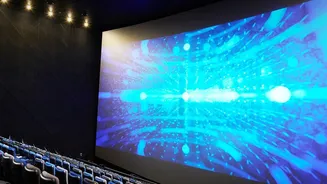
Despite the undeniable rise of OTT, reports of the cinema's death are greatly exaggerated. The industry is settling into a new equilibrium. Theatrical releases are increasingly reserved for large-scale, event-driven spectacles that demand the immersive experience of a dark auditorium, booming sound, and a collective audience. These are the films that create a cultural moment. For many such films, a successful box office run now serves as a powerful marketing tool, building hype and ensuring a larger viewership when it eventually premieres on a streaming platform. The model is becoming a hybrid one, where theatrical success and OTT reach are not mutually exclusive but are instead learning to coexist and even boost each other.