







The Forces Driving the NRI Investment Boom
A confluence of factors has turned the steady stream of NRI property investment into a flood. For years, buying a home in India was an emotional anchor for the diaspora. Today, it’s a calculated financial strategy. Industry reports from 2025 and 2026
show NRI investments are a significant driver of the market, projected to account for nearly 20% of total real estate transactions. One major driver is the currency advantage; a strong dollar, dirham, or pound gives overseas buyers significantly more purchasing power. This, combined with India's robust economic growth and attractive rental yields of 3-4%—higher than in markets like London or Dubai—makes the value proposition compelling. Furthermore, regulatory reforms like the Real Estate (Regulation and Development) Act (RERA) have increased transparency and boosted investor confidence, mitigating risks that once deterred overseas buyers.
Which Cities Are Feeling the Impact?
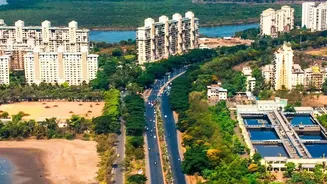
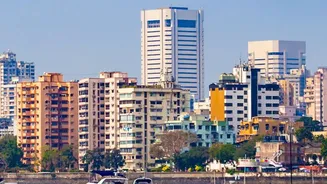
The NRI focus is sharpest on India's major metropolitan hubs, where economic opportunity and modern infrastructure converge. Cities like Mumbai, Bengaluru, Delhi-NCR, Hyderabad, and Pune are primary targets. Bengaluru, in particular, has seen some of the highest residential price appreciation, with some reports in early 2026 noting a nearly 24% year-on-year jump, fuelled by its booming IT sector and an influx of global capability centres. The Mumbai Metropolitan Region (MMR) remains India's most expensive and largest market, witnessing annual price growth of around 20% in some areas. Here, NRI interest is not just in prime south Mumbai but also in well-connected suburbs like Santacruz, Vile Parle, and emerging corridors like Navi Mumbai, which are benefitting from major infrastructure upgrades. Delhi-NCR and Hyderabad have also recorded strong price growth and remain key destinations for NRI capital.
A Market Skewed Towards Luxury
The influx of NRI capital is not evenly distributed across all market segments. The overwhelming preference is for premium and luxury properties. According to industry data, buyers are increasingly choosing larger homes, branded residences, and well-planned gated communities that offer world-class amenities and security. Some developers report that the share of NRIs in their luxury project sales has climbed to over 30%, significantly above the industry average. This demand for high-end homes has a direct effect on developers, who are now concentrating new launches on higher-ticket projects to cater to this affluent buyer pool. While local high-net-worth individuals also contribute to this demand, the added competition from NRIs is a defining feature of the premium market today.
The Squeeze on Local Homebuyers
The surge in NRI demand, concentrated at the high end, inevitably creates ripple effects for domestic buyers. The most direct consequence is price inflation. As developers pivot to luxury projects and overall housing prices climb, affordability becomes a major challenge, especially for mid-income and first-time homebuyers. Recent market analysis from mid-2026 indicates that while premium housing sales are robust, sales of homes in lower-ticket segments have fallen. Critics argue that the wave of NRI investment can create artificial demand, pushing prices beyond the reach of local salaried individuals and potentially contributing to a real estate bubble. This leaves domestic buyers in a tougher spot, competing not just with their neighbours but with globally wealthy individuals for a limited supply of desirable urban homes.
The Outlook for a Changing Market
The trend of rising NRI investment shows no signs of slowing down. For developers, it presents a lucrative opportunity, encouraging the creation of higher-quality, amenity-rich projects. For the broader economy, it represents a significant inflow of capital, with the real estate sector being a major contributor to India's GDP. However, the challenge lies in balancing this global demand with local needs. Without an adequate supply of housing across all price points, the competition for homes in major Indian cities will likely intensify. Local buyers may need to adjust their expectations, looking towards emerging corridors or Tier-II cities where the affordability pressure is less intense. Ultimately, the growing influence of the Indian diaspora is a market reality that is reshaping urban India, one luxury apartment at a time.